Why go
Aomori fruit, named before it becomes sherbet
The fruit is identified before it is frozen, which is the most useful thing to know here. Growers in Ajigasawa Town supply Akane, Jonagold and Fuji apples, other Aomori orchards bring Kobu and Kinglin apples and peaches, Bungo Mountain Melons come from Tsugaru City, and Nakadomari Town is named for tomatoes. That sourcing turns the flavour list into a map of Aomori agriculture. Apple sorbetto is not a generic apple flavour when the variety is on the label. Peach, melon and tomato cups follow the same principle: fruit first, then sugar, lemon juice and stabilisers, with the emphasis kept on fresh fruit taste rather than artificial colour or a heavy cream base. Gelato Natura Due was ranked #74 in the Tabelog 100 for 2023.
Cups built to travel
The format is frozen cups rather than a dining room. There is no seating plan or café layout to work around, because the business is built on gelato and sorbetto packed to reach customers in good condition, and the freezing and packaging are part of the product rather than an afterthought. That model suits the menu. The decision is not where to sit but which named fruit to follow: apple sorbetto across the Aomori varieties, peach, Bungo Mountain Melon, or tomato. It also means the shop works as a route for Aomori growers to reach people well outside the prefecture, with the cup carrying the orchard’s name as much as the maker’s.
Order the apple sherbet first
Apple is the clearest expression of the house and the sensible first cup. The reputation rests on fresh Aomori apple flavour, and the apple line gives the most direct connection to the named varieties: Akane, Jonagold, Fuji, Kobu and Kinglin, each with a different balance of sharpness and sugar. After that, move through the other local fruit. Peach is the softer, more perfumed choice, Bungo Mountain Melon is worth taking when melon is in season, and tomato is the outlier and the most interesting argument for the fruit-first method. The through-line stays the same across all of them: Aomori fruit, named orchards, and cups made to put the fruit in front.
Tags
Frequently asked questions
What should I order from Gelato Natura Due?
Start with the apple sherbet or sorbetto, because Aomori apples are what the maker’s reputation rests on and the varieties are named: Akane, Jonagold, Fuji, Kobu and Kinglin. After that, peach is the softer choice, Bungo Mountain Melon suits the season, and tomato is the most surprising cup.
What goes into the sherbet?
Fruit first, then sugar, lemon juice and stabilisers, with nothing added to force colour and no heavy cream base to flatten the flavour. The fruit is traced to specific Aomori growers and towns, including Ajigasawa Town for apples, Tsugaru City for Bungo Mountain Melons and Nakadomari Town for tomatoes.
Compare nearby places
| Venue | Type | Area |
|---|---|---|
| Boulangerie JIN | Bakery | Makkari, Abuta District |
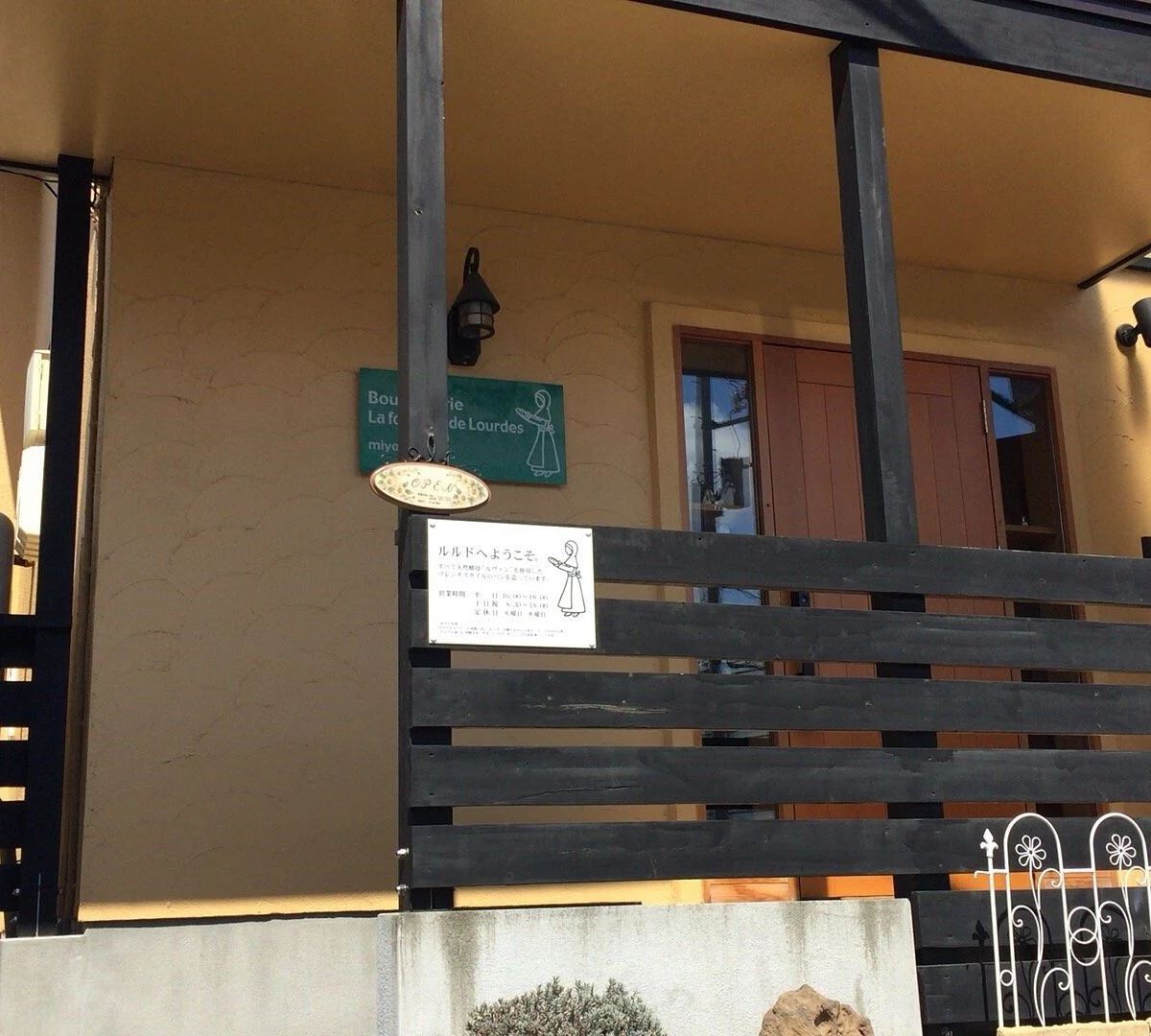
| Boulangerie La fontaine de Lourdes | Bakery | Chuo Ward / Miyanomori |
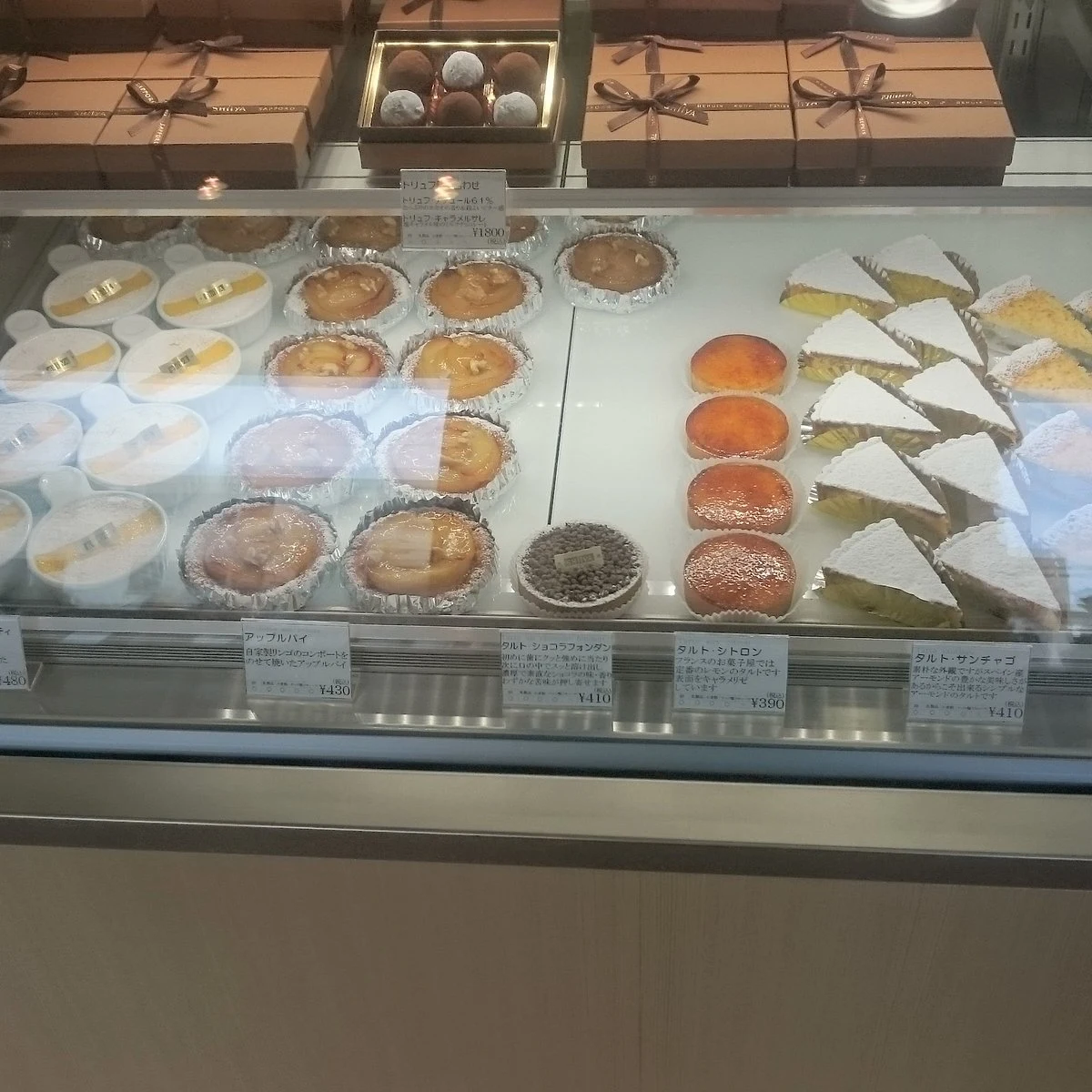
| Patisserie Shiiya | Bakery | .null |
| boulangerie coron Honten | Bakery | Chuo Ward |
| GELATERIA Geream Nishino ten | Café | Nishi Ward |