Why go
Levain, long fermentation and about thirty breads
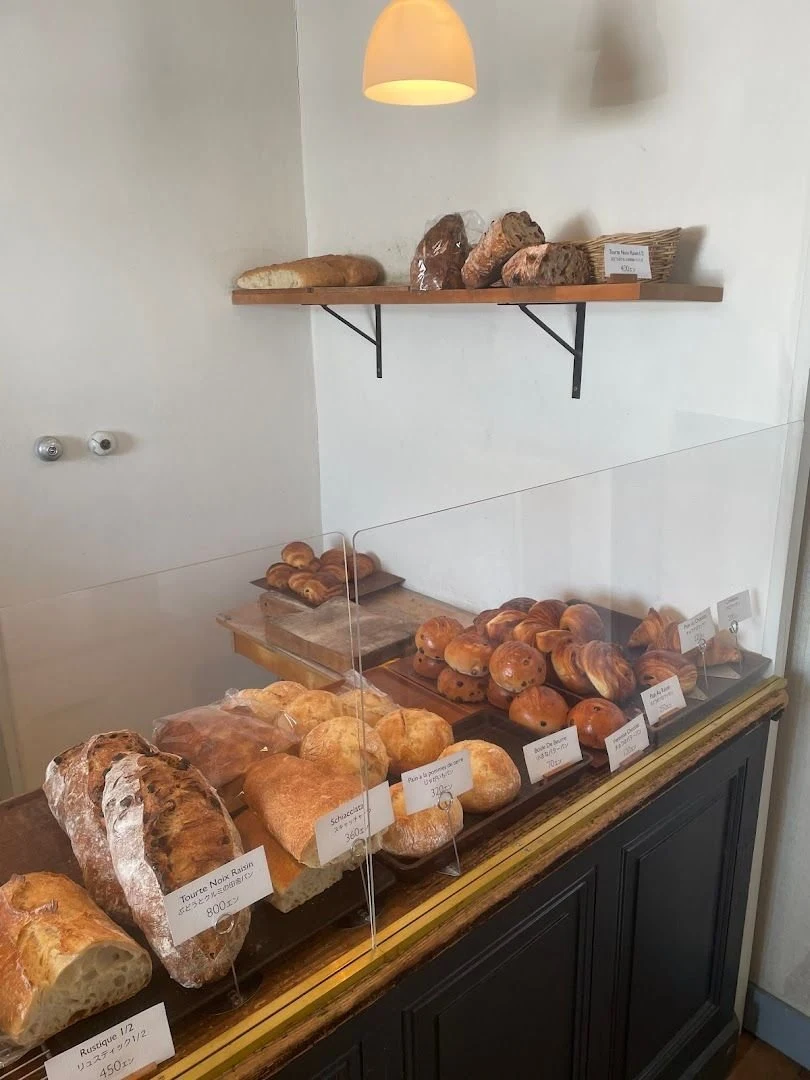
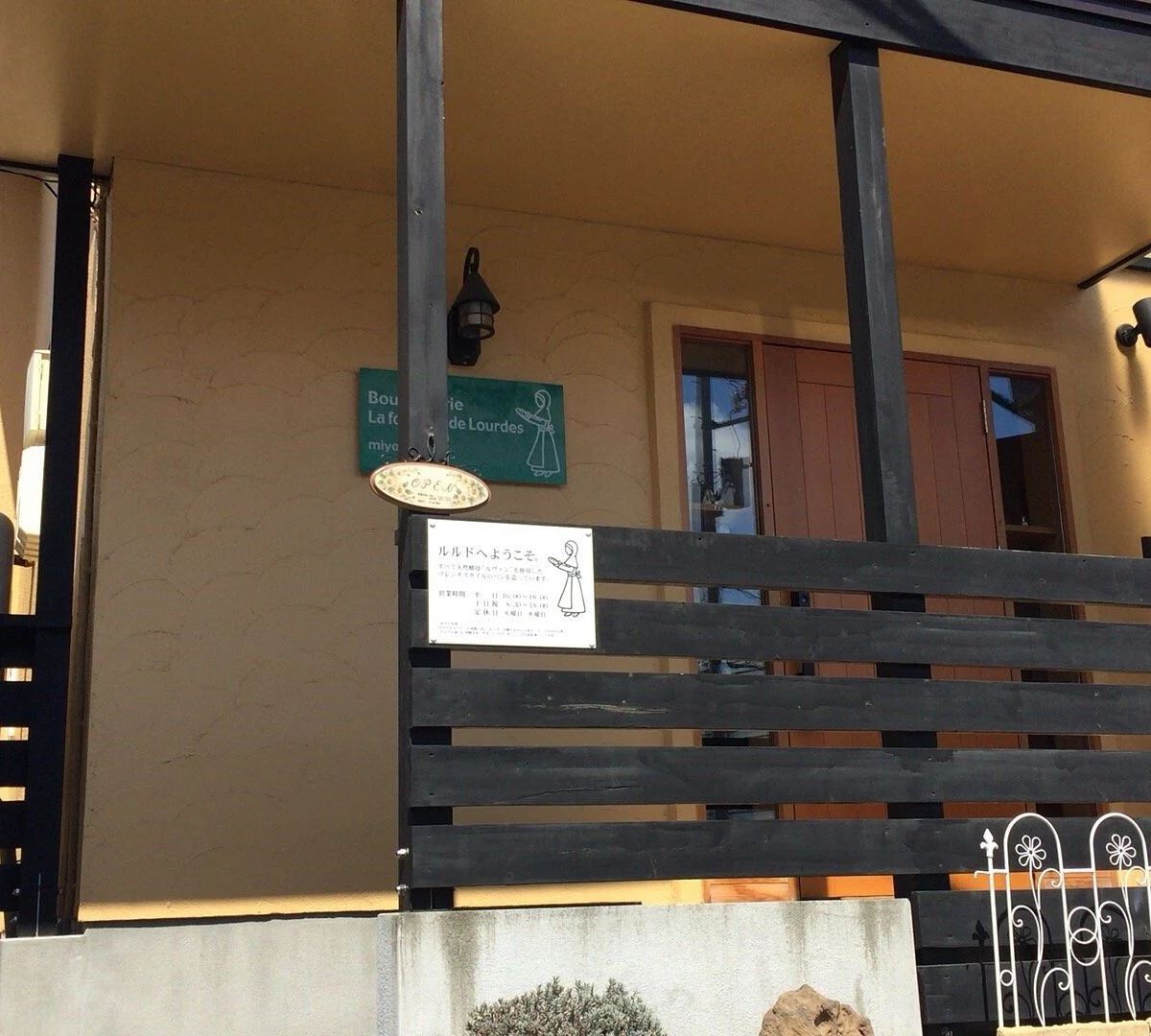
Natural yeast and time do most of the work here. La fontaine de Lourdes, written locally as ラ・フォンテヌ・ドゥ・ルルド, is a small French-style bakery in the Miyanomori district of Sapporo, on the Mount Okura side of the city, and its method is the story: levain rather than commercial yeast, long fermentation, and the deeper flavour, developed structure and gentle acidity that come with both. The counter holds roughly thirty varieties, enough for repeat visits without sprawling into a supermarket range. Instead of courses or plated dishes, the assortment is organised by bread type: naturally leavened loaves, firm-crusted hard breads, and laminated croissants. That makes the house style itself the signature, rather than any one flagship item.
A small shop on the hillside
The shop is small, and the scale shapes everything about a visit. This is a retail bakery rather than a café with tables, so the sequence runs from arrival to selection to leaving with a bag, and the bread has to carry the whole experience. What separates it from an everyday bread counter is the position. Miyanomori sits above Sapporo, and the city opens up from the door, so the bakery pairs what it bakes with the landscape it bakes in. The Mount Okura area gives the stop a stronger sense of place than most neighbourhood boulangeries manage, and the practical effect is that a bread run turns into a short detour worth making rather than an errand.
Start with the croissant, then move to the hard breads
Begin with the croissant. It is the item the bakery names first, and it reads directly on the laminated side of the operation: butter-rich dough, layering, bake and texture all show up in a single pastry, which makes it a useful measure of any French-style bakery. From there, move to the hard breads and naturally leavened loaves, where the levain and the long ferment show most clearly. Thick crust, open crumb and a slight sourness are the markers to look for, and they carry across the range. With around thirty varieties on any given day, the choice is meaningful without being overwhelming, and working through a croissant, a hard-crusted loaf and a long-fermented bread covers most of what this small Miyanomori shop is built on.
Frequently asked questions
What should I try first at La fontaine de Lourdes?
The croissant, which the bakery names first and which shows the laminated side of the work: butter, layering and bake in one pastry. After that, move to the hard-crusted breads and naturally leavened loaves, where the levain and the long fermentation come through most clearly.
What kind of bread does the bakery make?
French-style, built on natural yeast rather than commercial, with long fermentation for deeper flavour and a gentle acidity. Around thirty varieties are made on a given day, organised by type rather than by meal: naturally leavened loaves, firm-crusted hard breads, and laminated croissants such as the one the shop names first.
Compare nearby places
| Venue | Type | Area |
|---|---|---|
| Patisserie Shiiya | Bakery | .null |
| Boulangerie JIN | Bakery | Makkari, Abuta District |
| boulangerie coron Honten | Bakery | Chuo Ward |
| caffe kaiyodai | Café | Nakashibetsu / Kaiyodai Observatory area |
| GELATERIA Geream Nishino ten | Café | Nishi Ward |