Why go
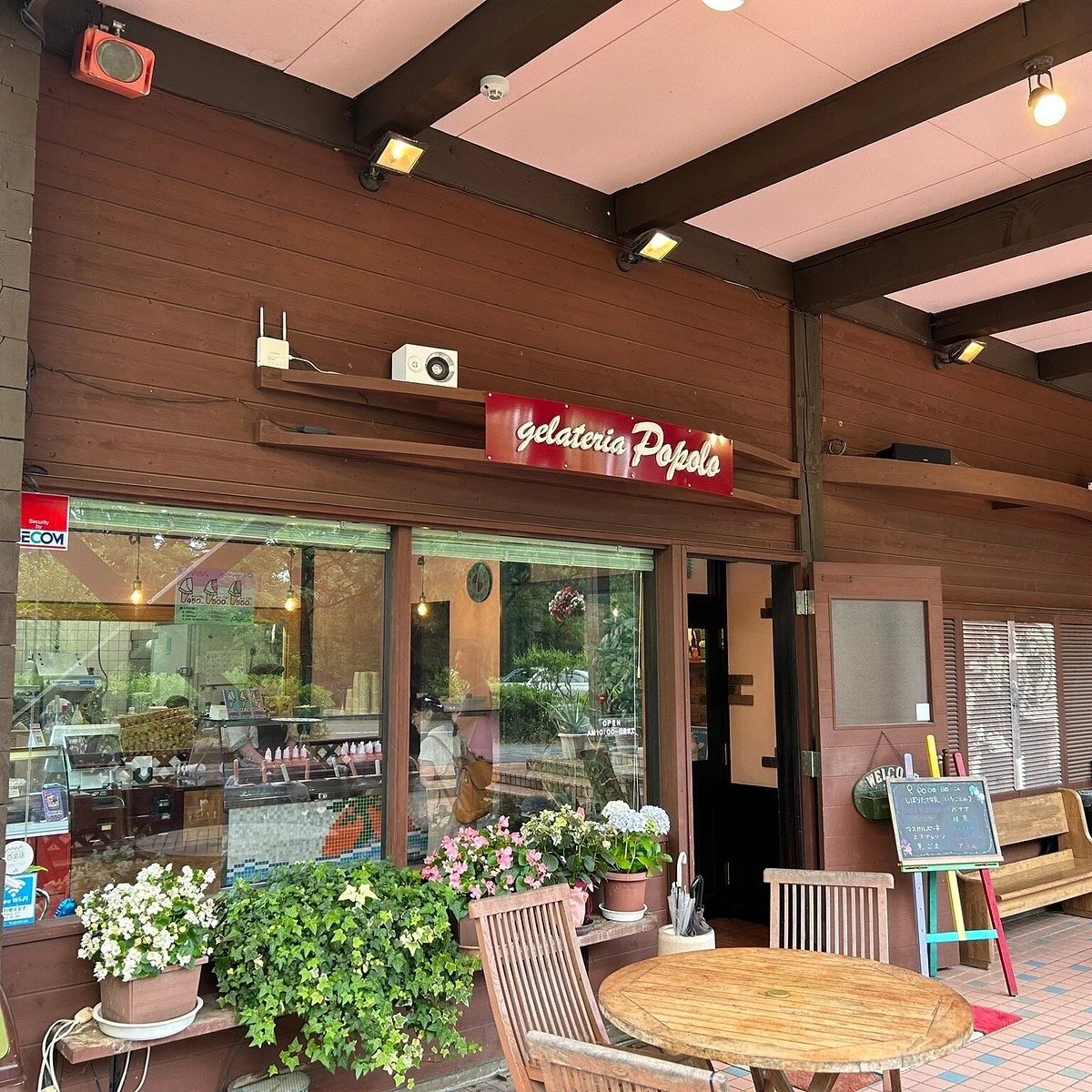
Twelve flavours a day, drawn from a back catalogue of more than a hundred and churned that morning: the case at gelateria popolo. is never quite the same twice.
Milk is the base note
The milk gelato is the reference point for everything else. The dairy comes from healthy cows and is pasteurised at low temperature so that more of the raw milk’s own richness survives into the finished scoop, which is why milk is treated here as a flavour in its own right rather than as a carrier for other flavours.
The rest turns over daily. Twelve choices go out each day, seasonal fruit and vegetables are used generously enough to taste like themselves, and the selection is rebuilt rather than repeated. Beyond the scoop there are handmade gelato bars made in small numbers, glass gelato, and ice cream cakes for celebrations. This is a frozen dessert shop with a clear architecture, not a café trying to cover coffee and lunch as well. The shop has been at it long enough to mark a 25th anniversary, and it took the number 24 place on the Tabelog 100 in 2023.
A seaside counter built for an outing
Position shapes the visit. The shop faces Marinepia Nihonkai on the Sea of Japan coast, so gelato here is usually attached to something else: the aquarium, a walk along the water, a drive that needed a reason to stop. Families, locals and passing visitors all use it the same way.
Service is quick and uncomplicated. Read the day’s dozen, decide between a cup and a cone, or take a larger tub away if the gelato is for a table rather than a walk. Nothing about the format asks for a long sit, which suits a stretch of coast where the view is already doing most of the work.
Order the milk gelato first
Start with the milk. It is the clearest statement of what this kitchen believes, and once the base has been tasted every other flavour in the case becomes easier to read. From there, follow whichever fruit or vegetable is in season among the day’s twelve.
For more than a single serving there are other routes. The handmade bars and glass gelato are the special-format orders when they are out, ice cream cakes are a separate celebratory line, and larger tubs let several flavours travel together. Since the daily dozen is drawn from more than a hundred originals, treat any visit as a snapshot of the season rather than a fixed menu.
Tags
Frequently asked questions
What should I order at gelateria popolo.?
The milk gelato first. It is made with low-temperature pasteurised milk and it sets the reference for everything else in the case. After that, follow whichever seasonal fruit or vegetable flavour is among the day’s twelve, or take a handmade gelato bar or glass gelato when they are out.
How often does the gelato selection change?
Daily. The shop churns fresh gelato every morning and puts out twelve flavours chosen from a back catalogue of more than a hundred, so the case is rebuilt rather than repeated. Seasonal fruit and vegetables drive most of the rotation, which makes each visit a snapshot of the season.
Compare nearby places
| Venue | Type | Area |
|---|---|---|
| NASU SHOZO CAFE | Café | / Nasu-machi, Nasu-gun |
| Patisserie Rond-to | Bakery | Obuse-machi |
| French Bakery | Bakery | Karuizawa Ginza |
| Manpei Hotel Cafe Terrace | Café | Karuizawa |
| MALGA GELATO Noto honten | Café | Noto-cho |