Why go
Light roasts named by producer and process
The counter at this Quito café and roastery runs on light roasts, named Ecuadorian lots, a bakery case and a scratch kitchen, and the coffee is the reason to walk here first. FANKØR works as a roastery as much as a café, and it puts its coffees up by producer and process rather than by blend name: Ana María & Nicolás Crespo Typica Mejorado Lavado, Familia Morales Rivera Sidra Honey, and Ana María & Nicolás Crespo Sidra Fermentación Anaeróbica. Washed, honey and anaerobic fermentation all sit in the same programme, and the roast leans light, so the point is clarity rather than roast weight. Coffee is also something to take home here, with the retail shelf built into the same identity as the bar.
A polished café with the kitchen in the same argument
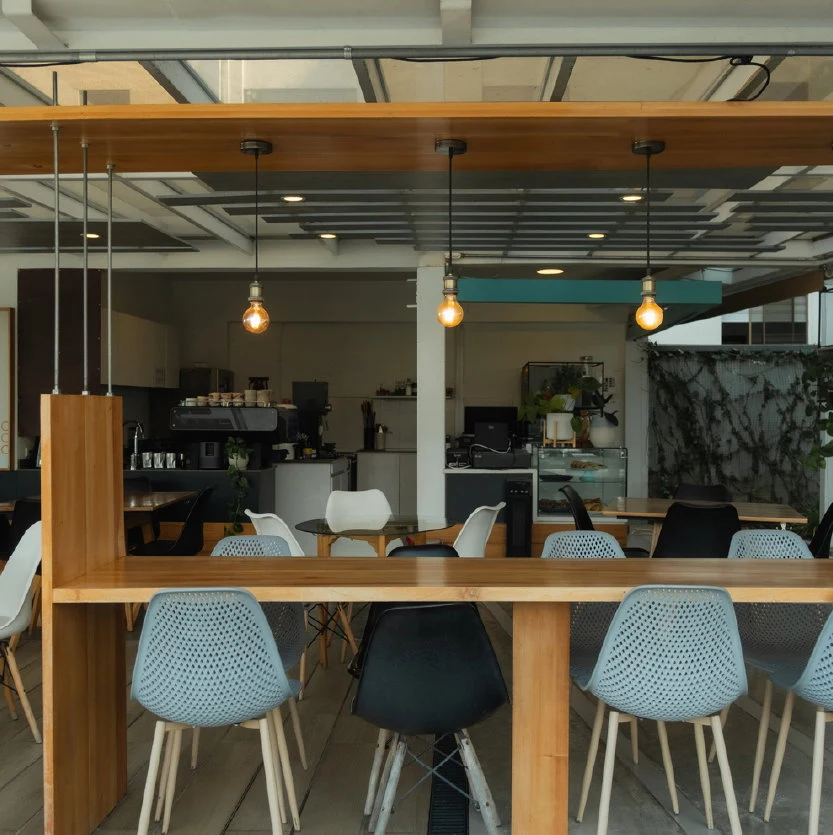
The room reads as a contemporary specialty café, but the useful distinction is that the food is not decorative. The house keeps repeating the same three-part promise: coffee, bakery, specialty food. That matters when attention in the queue is split between the bar, the case and the kitchen, because an order can be more than a quick cup. Bakery and pastry sit beside a scratch kitchen, which gives FANKØR the rhythm of a café where people stay for a plate as readily as they stop for a bag of beans. It is counter service, polished and brand-forward, in a commercial part of Quito, with the kind of all-day cadence that lets the coffee carry breakfast, a working pause or a later sweet order without changing character.
Start with the Sidra Honey, then look to the case
For a first order, take Familia Morales Rivera Sidra Honey if it is on the bar or the retail shelf. Honey processing usually gives more roundness than a washed lot, and Sidra has enough aromatic lift to show why this café names producers instead of hiding behind a house blend. If the preference is cleaner and more linear, Ana María & Nicolás Crespo Typica Mejorado Lavado is the calmer choice; if the day calls for more fermentation character, the same producers' Sidra Fermentación Anaeróbica is the one to ask about. Add something from the bakery case rather than treating food as an afterthought, and pick whatever looks freshest beside the bar, since the pastry turns over faster than the coffee line-up. The quiet pointer is the coffee shelf: the named lots are where FANKØR speaks most clearly.
Tags
Frequently asked questions
What coffee should I order at FANKØR?
Familia Morales Rivera Sidra Honey is the best opening order, since honey processing gives it more roundness and Sidra carries plenty of aromatic lift. For something cleaner, take the Ana María and Nicolás Crespo Typica Mejorado Lavado; for fermentation character, the same producers' Sidra Fermentación Anaeróbica is the one to ask about.
Does FANKØR do food as well as coffee?
Yes, and it is not decorative. The house promise is coffee, bakery and specialty food, with a scratch kitchen behind the pastry case, so a visit can be a plate rather than a quick cup. The pastry turns over faster than the coffee line-up, so pick whatever looks freshest beside the bar.
Compare nearby places
| Venue | Type | Area |
|---|---|---|
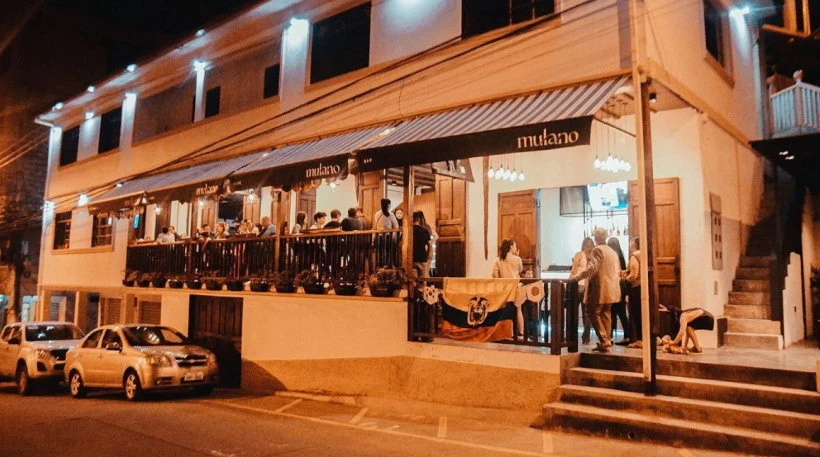
| Mulano Coffee Shop | Café | Piñas |
| Caferatto | Café | El Cable |
| Érase una vez café de especialidad | Café | Teusaquillo |
| Libertario Coffee Roasters - Calle 70a | Café | Chapinero / Zona G |
| Café 18 Rosales | Café | Rosales |