Why go
A house espresso built on Lucca Café beans
The counter's own espresso is the reason to stop. Cittadino Coffee Bar pours an exclusive house blend alongside specialty coffees carrying a denomination of origin, all supplied by Lucca Café, the Curitiba roaster that has done as much as anyone to push Brazilian coffee towards single estates and traceable lots. That sourcing decision is what separates the room from a hotel urn: the coffee is the product, not an amenity. Ask for the espresso as a straight shot before adding milk, because a house blend chosen for a lobby has to work both ways and the shot tells you which side it was built for. The origin coffees are worth asking about too, because they change, and because the point of a denomination of origin lot is that it tastes of somewhere specific rather than of Brazil in general.
The lobby counter as a meeting point
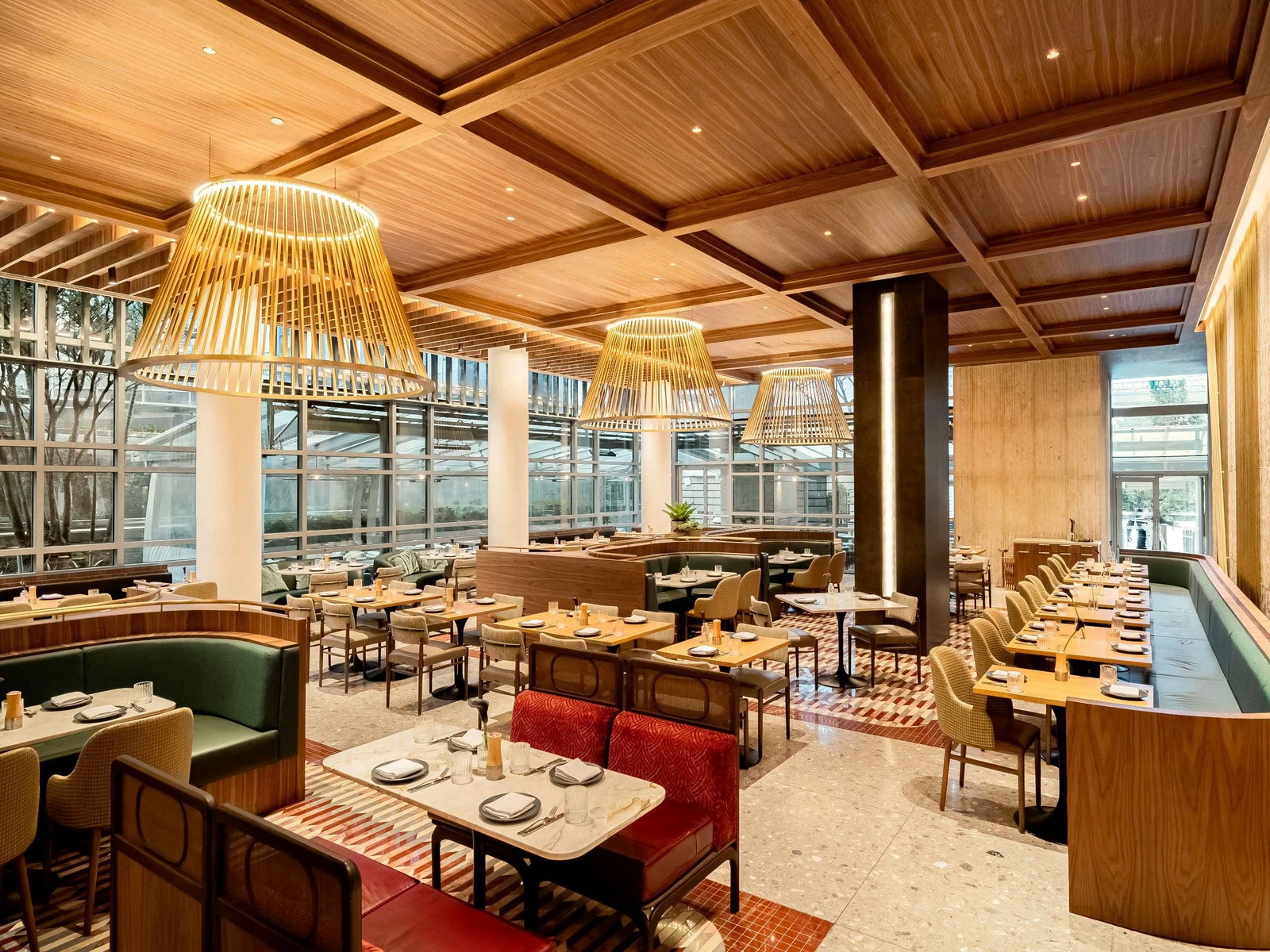
Cittadino sits in the lobby of the Grand Hyatt São Paulo and works as the building's meeting point, which shapes how it is used more than any design detail does. Part cafe, part lounge bar, it takes the short conversation, the wait, the break between two things elsewhere in the city. The seating is arranged for that: pairs and small groups rather than long communal tables, in a lobby rebuilt as part of a wider overhaul of the hotel's dining. It is one of four food and drink rooms in that lobby, and the one with the loosest brief. Daytime is its hour, and it holds the traffic from morning through the afternoon without ever turning into a formal dining room.
Coffee first, then something from the counter
Take the house espresso first and judge the room by it. After that the food is deliberately quick: sandwiches, snacks and small plates that fit around a coffee rather than replacing it, plus desserts and gelato for the afternoon. The gelato is the better choice when the point is a pause rather than a meal. There is a drinks list as well, so the counter can turn into a bar for an early evening glass without changing rooms or resetting the tables. If you are working, it takes a laptop without complaint; if you are meeting someone, it is easier to find than a restaurant. Use it the way regulars do, as somewhere to sit for twenty minutes with a good espresso in the middle of a São Paulo day.
Tags
Frequently asked questions
What is the coffee at Cittadino Coffee Bar?
An exclusive house espresso plus specialty coffees carrying a denomination of origin, all supplied by Lucca Café, the Curitiba roaster known for traceable Brazilian lots. Espresso is the clearest way to judge the counter, and the origin coffees rotate, so they are worth asking about rather than assuming a fixed list.
Is there food at Cittadino Coffee Bar?
Yes, kept deliberately quick. Sandwiches, snacks and small plates are built to sit around a coffee rather than replace it, and there are desserts and gelato for the afternoon. A drinks list means the same counter works for an early evening glass, so the room covers most of the day without changing format.
Compare nearby places
| Venue | Type | Area |
|---|---|---|
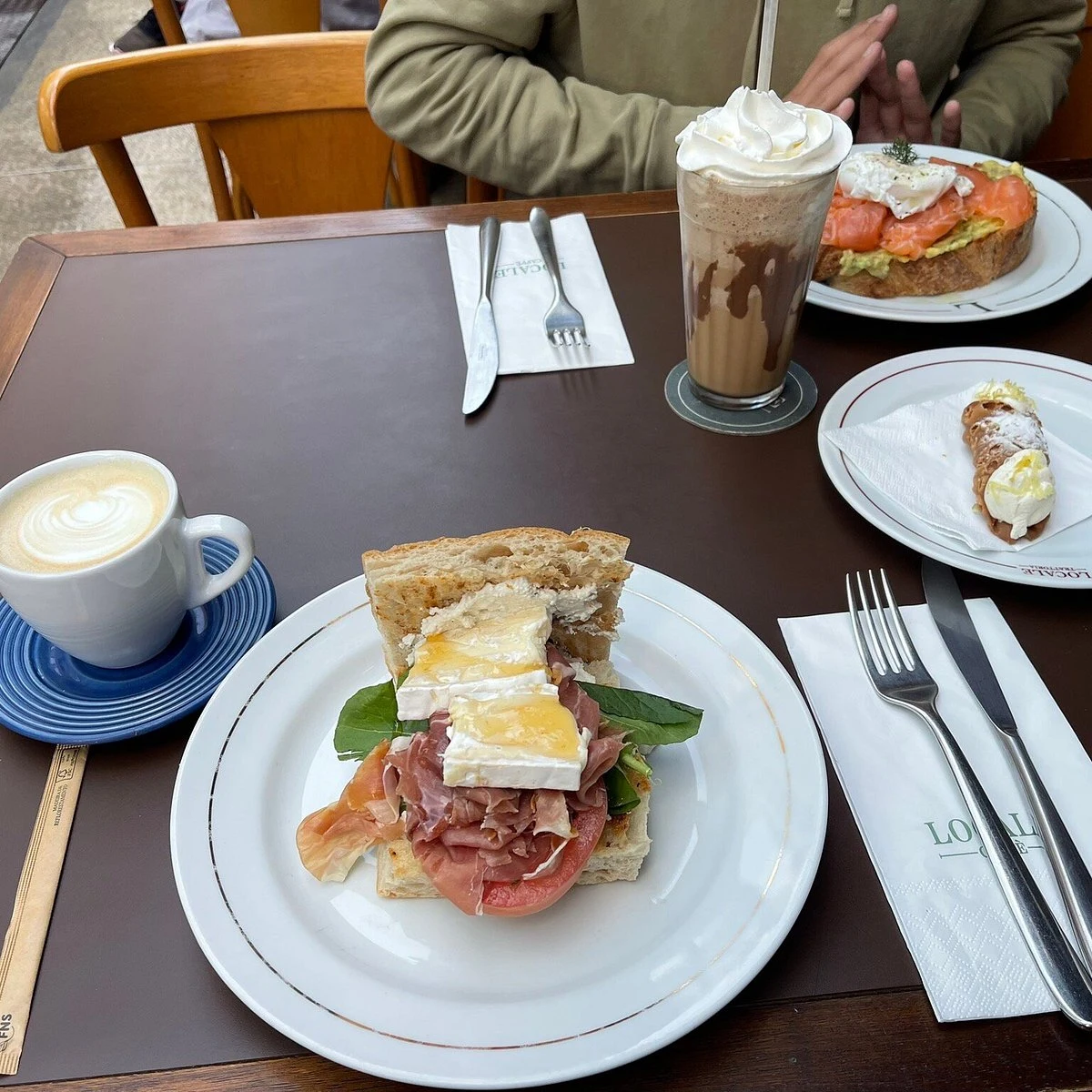
| LOCALE caffè | Café | Itaim Bibi |
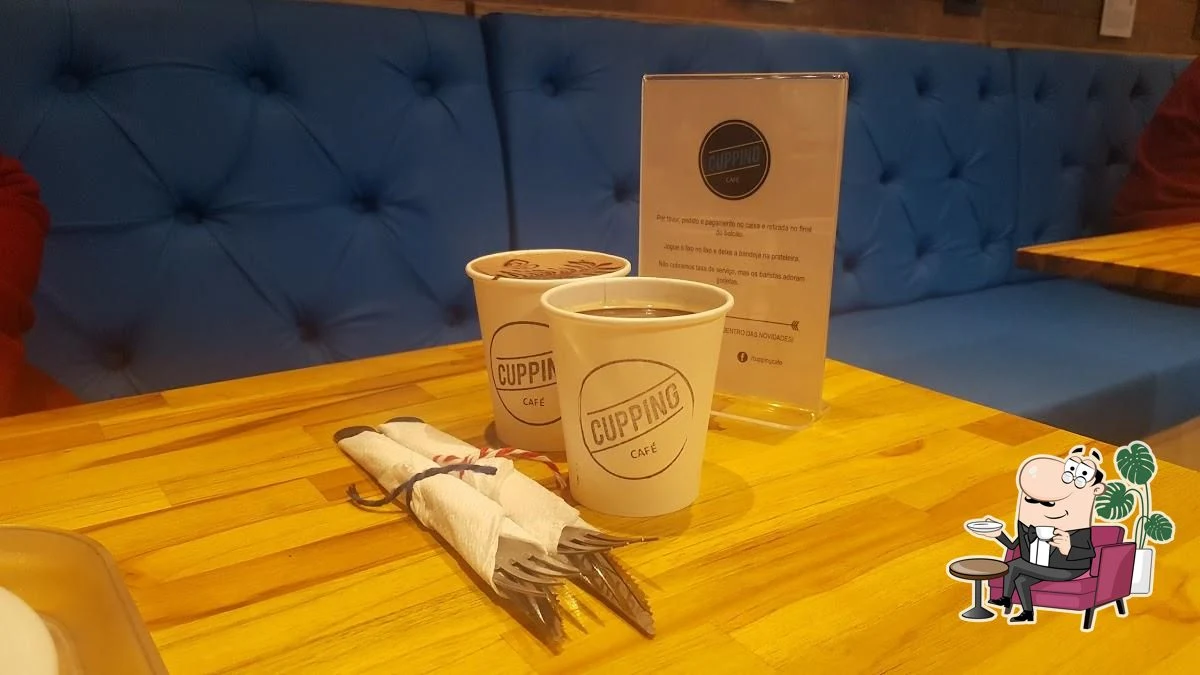
| Cupping Café | Café | Vila Madalena |
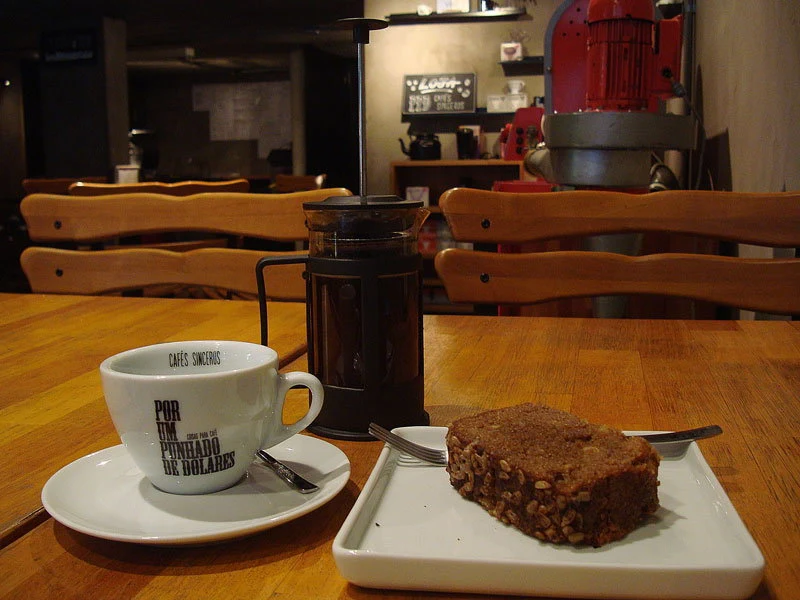
| Por um Punhado de Dolares | Café | Consolação |
| Cha Cha Boulangerie | Bakery | Pinheiros |
| Fasano Caffè | Café | Ipanema |