Why go
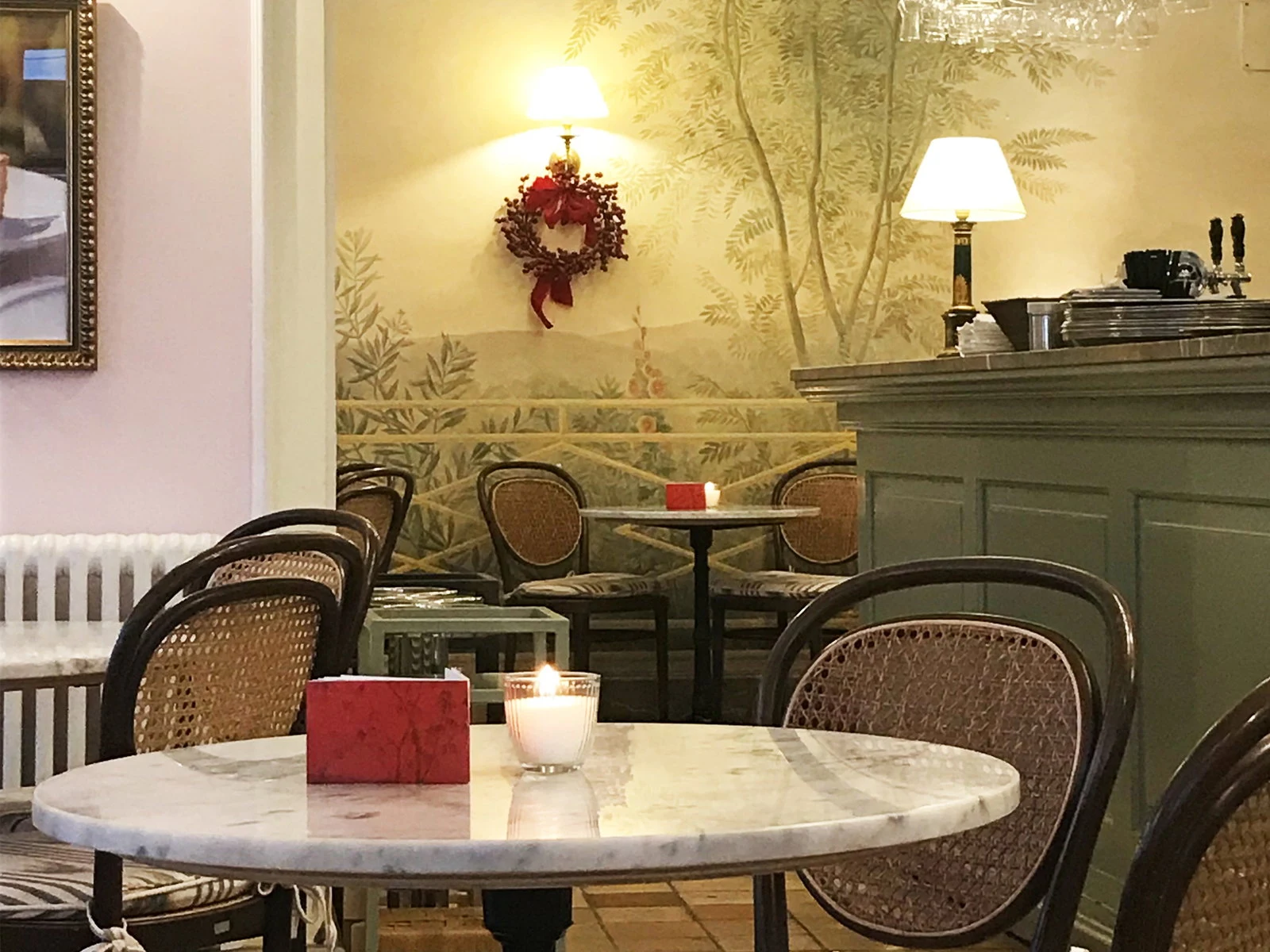
White-jacketed waiters, warm lighting and a wide street-side terrace: Cappuccino Grand Café works in the old European grand-cafe register, where the room is a large part of what you are paying for. In Palma de Mallorca that means a table outside, a cappuccino, and no particular hurry.
A grand cafe built for the whole day
The format is all-day rather than single-purpose. Coffee-led pauses, seated meals and long social visits all fit inside it, and the kitchen runs a Mediterranean and international menu rather than a narrow specialism: a Caesar salad or a plate of penne boscaiola sits as naturally here as a pastry with the morning coffee.
It is not a chef-led tasting room and not a roastery espresso counter, and it does not pretend to be either. The pitch is atmosphere, table service and a polished setting, which is a different promise from a specialty coffee bar and is fairer judged on its own terms: whether the terrace is worth an hour of your day.
Part of a Mallorcan hospitality group
Cappuccino Grand Café belongs to Grupo Cappuccino, whose other concepts include Hotel Cappuccino, the Tahini sushi restaurants, Wellies and a radio station. That mix explains the lifestyle-led feel of the cafe: it is designed as somewhere to be seen sitting as much as somewhere to eat, with the design and the service carrying as much weight as the plates.
The group has taken the same format to high-profile addresses elsewhere, including a project connected with the historic Café Gijón in Madrid. The Palma room is its own thing, but the ambition behind the name is consistent: recognisable settings, prestige addresses, and surroundings that carry the experience. In Palma the site sits in the centre of the city, and the terrace is the part of it most people plan around.
What to order
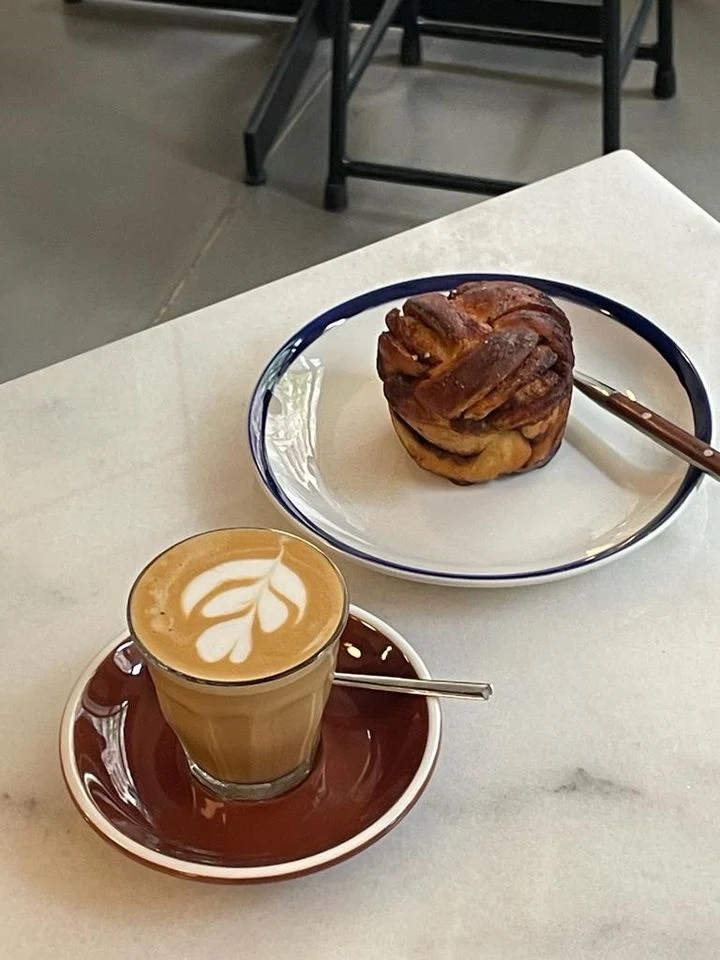
Start with a cappuccino. The name is not accidental, and it keeps the first order anchored on the cafe side of the concept.
Pair it with coca de patata, the Mallorcan sweet bun, when it is available; it is the most local thing on an otherwise international menu. If the table stays longer, move into the Mediterranean and international dishes and treat the terrace as the point. This is a cafe to sit at rather than a counter to pass through.
Tags
Frequently asked questions
What is Cappuccino Grand Café known for?
It is known for the grand-cafe format: white-jacketed service, warm lighting and a wide street-side terrace in Palma de Mallorca. The menu is all-day Mediterranean and international, running from a cappuccino and a pastry to dishes such as Caesar salad or penne boscaiola, with table service throughout.
What should I order at Cappuccino Grand Café?
Start with a cappuccino, which keeps the first order anchored on the cafe side of the concept, and pair it with coca de patata, the Mallorcan sweet bun, when it is available. If the table stays longer, move into the Mediterranean and international dishes and treat the terrace as the reason to linger.
Compare nearby places
| Venue | Type | Area |
|---|---|---|
| .paradero specialty coffee & brunch | Café | Sant Antoni |
| Xurreria | Bakery | Barri Gòtic |
| Demasié | Bakery | El Born |
| Vitrina café | Café | Eixample |
| L' Atelier Barcelona Escuela y pastelería | Bakery | La Nova Esquerra de l'Eixample |