Why go
Viennese-leaning pastry under nineteenth-century frescoes
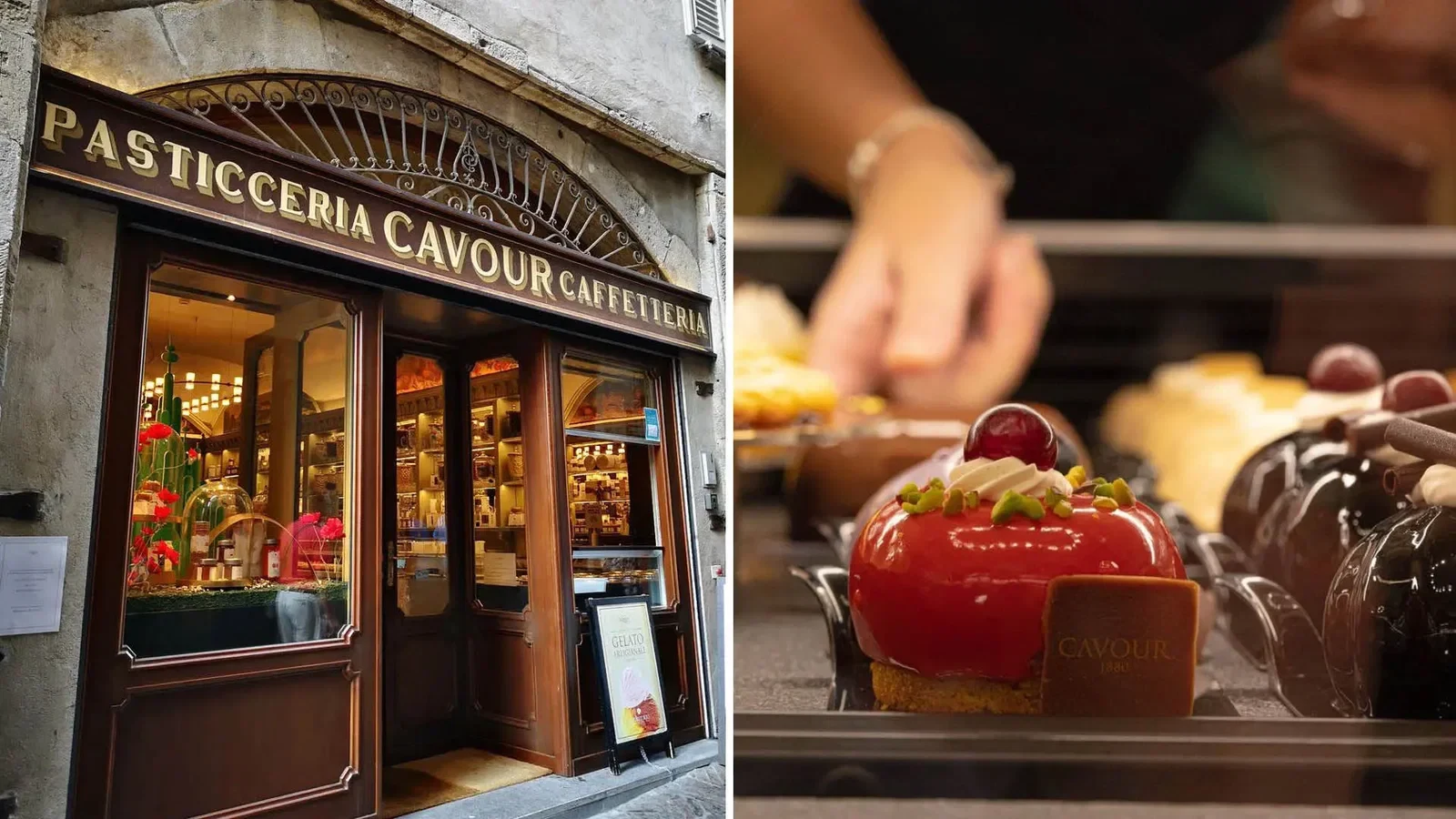
The counter at Caffè Cavour 1880 reads Viennese before it reads Lombard: dozens of cakes and mignon, spoon desserts, artisanal gelato and a daily run of croissants and viennoiserie. The house calls itself a caffetteria with a Viennese accent, and the pastry is not built around one signature but around breadth, with classic desserts reworked through contemporary technique and custom cakes made to order. The croissants come plain, filled with custard or filled with jam, and pain au chocolat sits beside them, which puts laminated pastry at the centre of the morning. Mignon formats let a table taste across the case rather than commit to a single plate, and gelato carries the same counter into the afternoon.
A historic room the Cerea family took on in 1994
What makes the place distinctive is the combination of a historic room and an active pastry kitchen. It occupies protected premises in Bergamo Alta, the upper town, with restored furnishings, fine materials and nineteenth-century frescoes overhead, and it has been in the hands of the Cerea family, the family behind Da Vittorio in Brusaporto, since 1994. That ownership is why the pastry direction feels closer to a restaurant kitchen than to a shop case. The operation is wider than a pastry counter too, taking in a kitchen, rooms, a gift shop and a summer terrace, so the same building handles a morning espresso, a long lunch and a dessert-led evening.
Start with a croissant, then move to the mignon
Start with a croissant, since the daily lamination is the clearest expression of the artisanal claim. Take it plain to read the layers, filled with custard or jam when you want something richer, or as pain au chocolat if chocolate is the point. From there the natural progression is into the formats that define the house: mignon pastries for a tasting sequence across several flavours, a full cake when the visit is built around the counter, or spoon desserts and reworked classics for a dessert-led stop. Coffee belongs in the order because the cafe-pasticceria model runs on espresso and pastry together. For a less sweet visit, the kitchen turns out savoury plates as well, which makes an all-day rhythm possible: pastry in the morning, lunch at the table, gelato or dessert later on.
Frequently asked questions
What should I order at Caffè Cavour 1880?
Begin with a croissant from the daily lamination, plain to read the layers or filled with custard or jam. After that, mignon pastries let a table taste across the case, while spoon desserts, reworked classics and artisanal gelato cover the dessert end. Espresso is part of the order rather than an add-on.
Is it only a pastry counter?
No. The same address runs a kitchen, rooms, a gift shop and a summer terrace alongside the pasticceria, so savoury plates and a full lunch are possible as well as a morning pastry. The room itself is historic, with restored furnishings and nineteenth-century frescoes in the upper town.
Compare nearby places
| Venue | Type | Area |
|---|---|---|
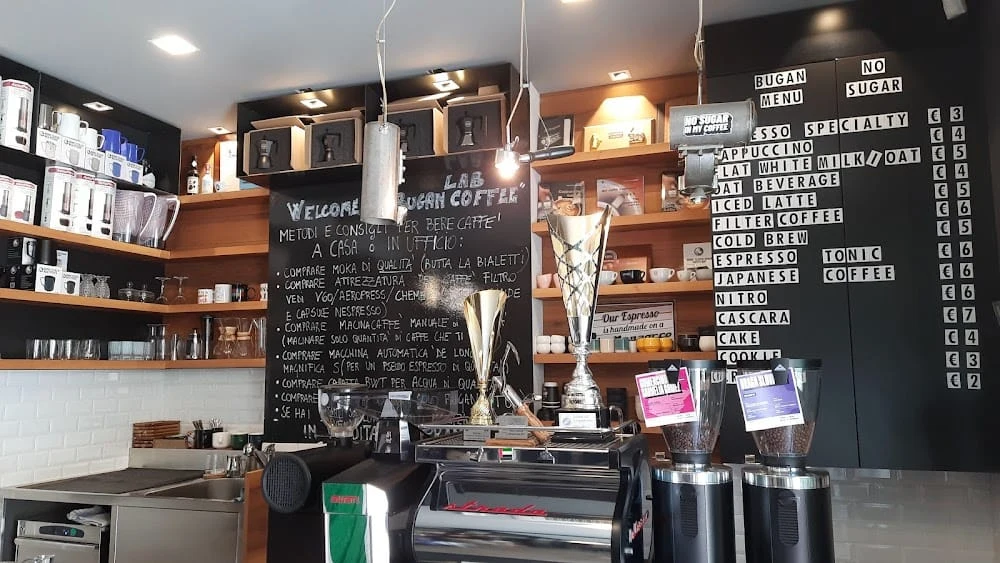
| Bugan Coffee Lab | Café | Città Alta |
| La Serra Pastry Lab | Bakery | — |
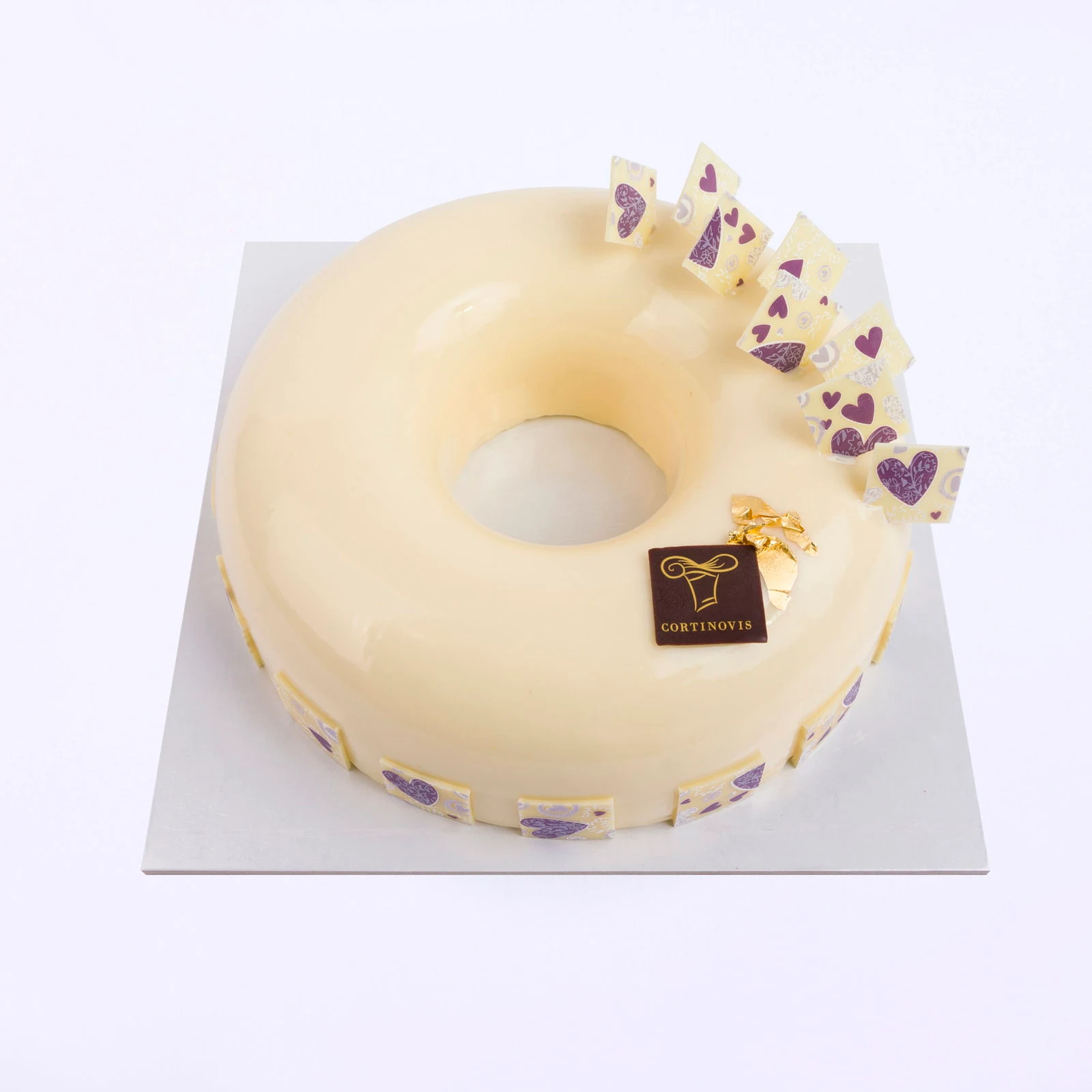
| Cortinovis | Bakery | Ranica |
| Tilde Forno Artigiano | Bakery | Castel Cerreto |
| Pasticceria Roberto | Bakery | Centro storico di Erbusco |