Why go
Live yeast, old grain, long maturation
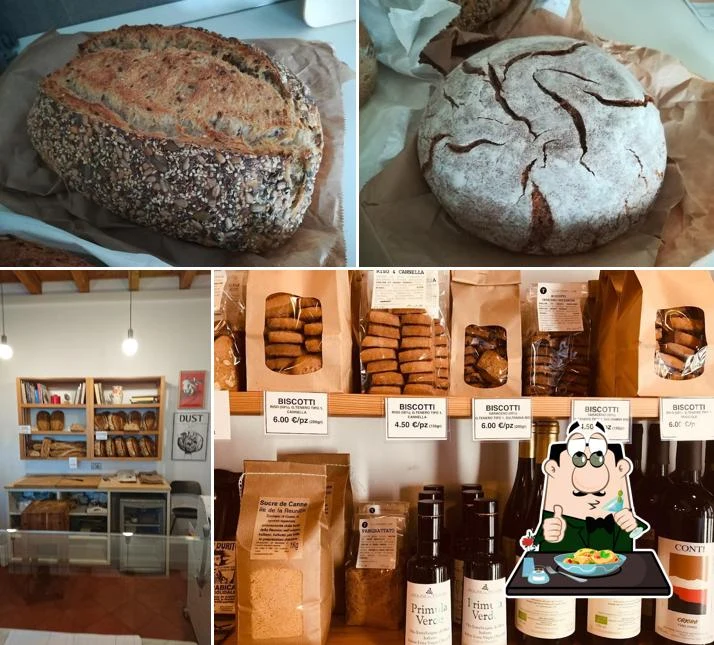
The loaf to know is the pane a pasta madre viva: live wild yeast, water, flour and salt, and nothing else. What sits behind that short list is the exacting part. The starter is refreshed daily with whole grains, doughs are given 40 to 48 hours of maturation, and the grain is milled in the bakery on an Astreia natural stone mill, with the flour used within three days of milling. The grains themselves are old local varieties from small farms nearby that work without pesticides, and the bakery selects and conserves rustic seed tied to the surrounding countryside.
A counter-service forno in Castel Cerreto
Tilde is a bread bakery first, working out of a single laboratory under the campanile in Castel Cerreto, a rural frazione of Treviglio in the Bergamo province. Takeaway bread sits at the centre of a visit rather than a table and a menu. Its two founders started it in 2016 after moving back from London, and the setting was the point: an alternative forno rooted in local agriculture, traditional grain growing and a food system they could see for themselves. Long fermentation and fresh milling keep production deliberately limited, though by 2022 the bakery was turning out close to 400 kg of bread a week. Seasonal baking arrives as whole-grain colomba at Easter.
Why the bread carries so much
Bread here is treated as a cultural act as much as a trade. One founder came through gastronomic sciences and ten years in London working with high-hydration, aromatic, long-keeping loaves and natural fermentation; the other trained as a visual and performance artist and brought that career into the bakery. Their Spazio Tilde runs annual events, artist residencies and collaborations that reach well past food, using bread as a way into questions about health, politics, technology and land. Gambero Rosso awarded the bakery Tre Pani for 2026. The simplest reason to walk in stands behind all of it: a Treviglio forno where local grain, live yeast, soil and long time in the dough meet at the counter.
Frequently asked questions
What is the bread like at Tilde Forno Artigiano?
The core loaf is pane a pasta madre viva, made only with live wild yeast, water, flour and salt. The starter is refreshed daily with whole grains and the dough matures for 40 to 48 hours. Grain is milled in house on a natural stone mill and the flour is used within three days.
Where does Tilde's flour come from?
From old local grain varieties grown by small farms near Treviglio that work without pesticides. The bakery selects and conserves rustic seed tied to the territory, mills it on an Astreia stone mill in its own laboratory, and uses the flour within three days so the bread stays close to the harvest.
Compare nearby places
| Venue | Type | Area |
|---|---|---|
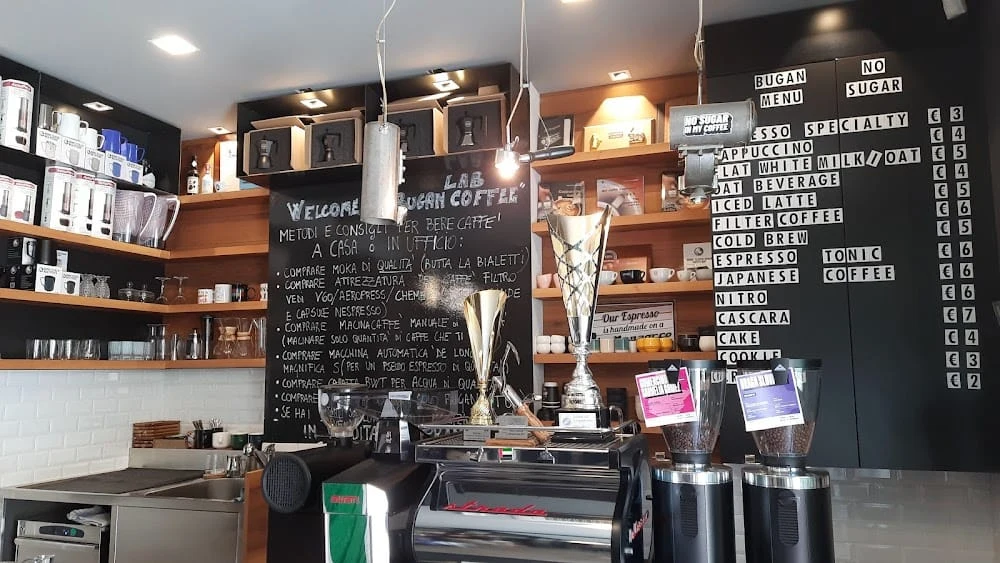
| Bugan Coffee Lab | Café | Città Alta |
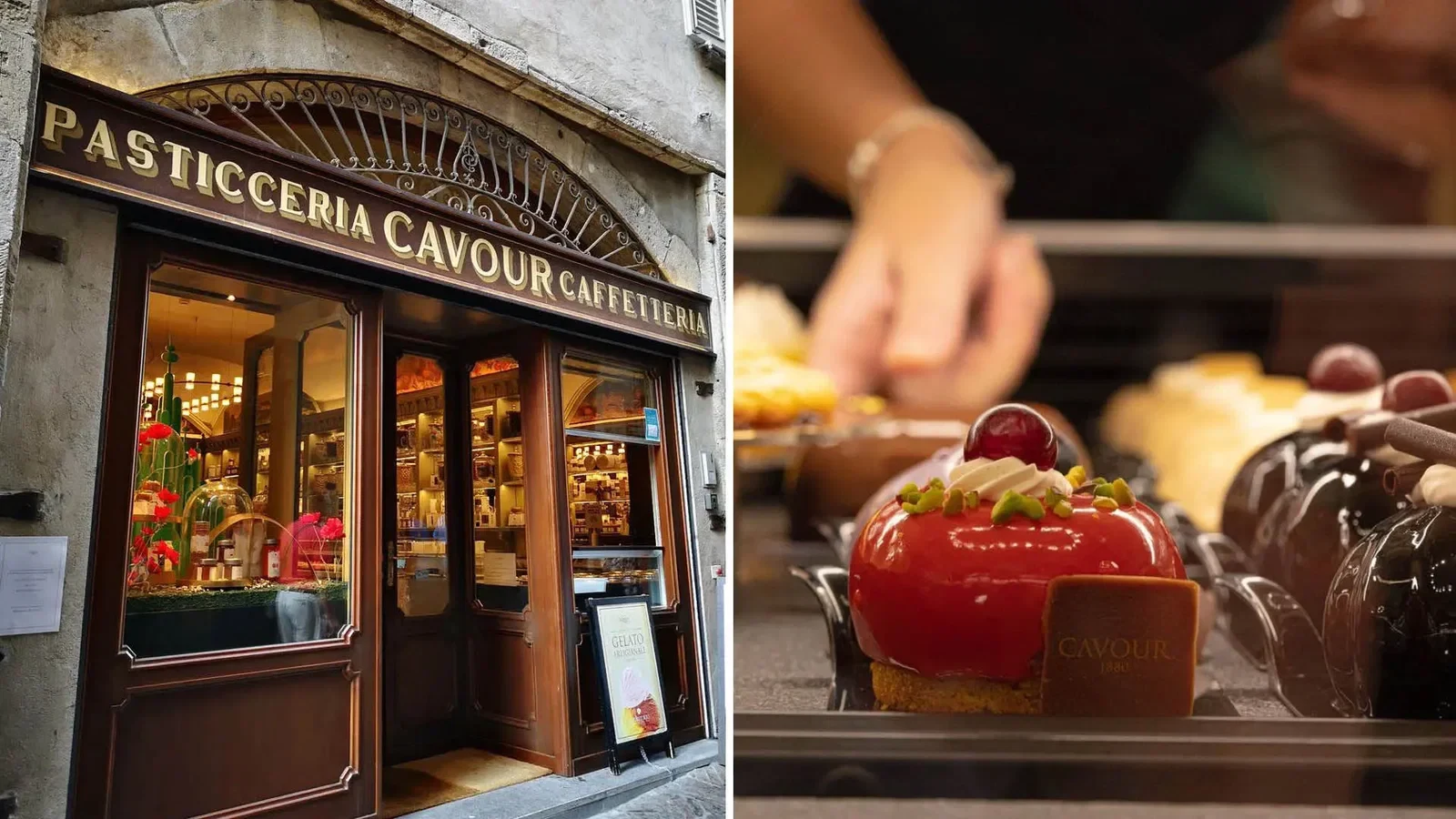
| Caffè Cavour 1880 | Bakery | Bergamo Alta |
| La Serra Pastry Lab | Bakery | — |
| Forno Dal Mastro | Bakery | Centro storico (Monza) |
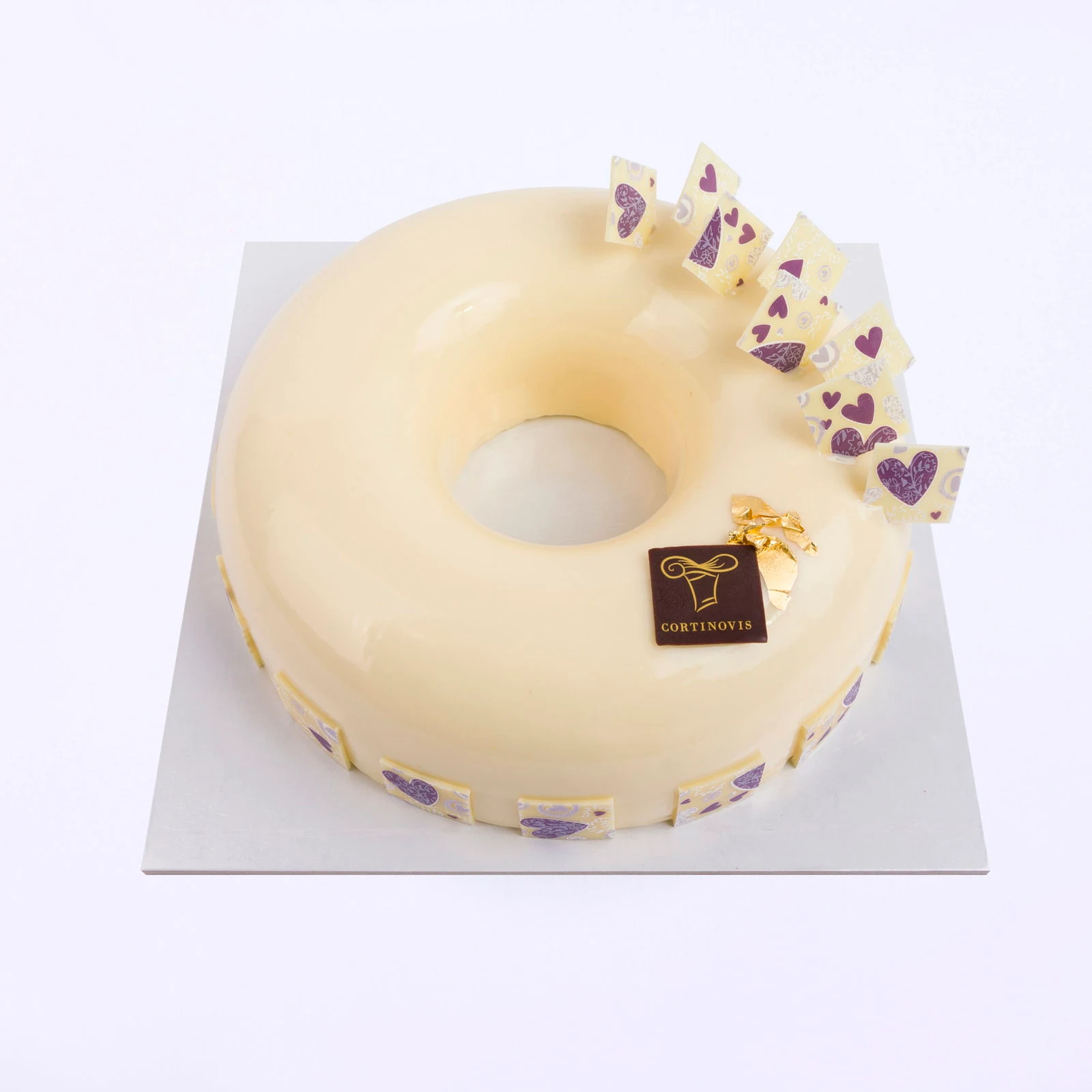
| Cortinovis | Bakery | Ranica |