Why go
The torte, made in thirty-four steps
The Original Sacher-Torte is the reason most people sit down here, and the house treats it as a procedure rather than a recipe: made by hand, to a closely guarded formula, in exactly thirty-four steps. Order it with a Sacher Melange and the whole institution is in front of you in two objects, the chocolate cake and the coffee that Austrian coffeehouses built their reputation on. The rest of the coffee list runs through the classic specialties, which is precisely the point; nothing here is trying to be new, and the café describes itself as a place with history rather than a place with ideas.
A terrace on the Salzach
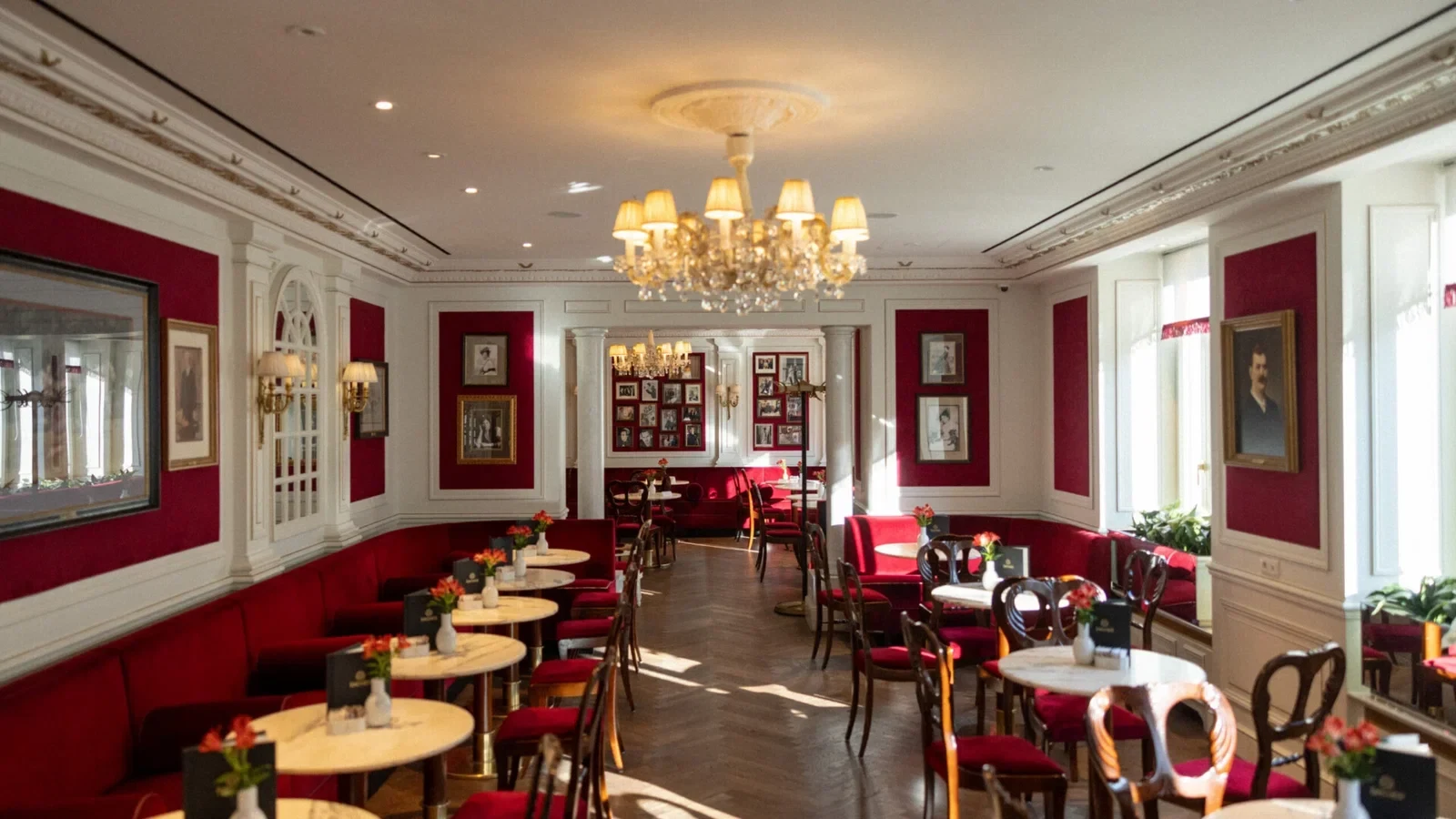
The café belongs to Hotel Sacher Salzburg, a few steps from the historic Old Town and directly on the river, and it works as part of a walk through the city as much as a destination in itself. The terrace looks across the Salzach to the fortress above, which is the seat to ask for when the weather allows it. Inside, the room is built for lingering: newspapers, conversation, a long coffee, the slow tempo that separates a coffeehouse from a café. It runs across the whole day, so it takes a morning breakfast, a midday meal, a slice of cake after sightseeing or an evening stop without changing character between them.
Beyond the cake
Once the torte is dealt with, the Austrian dessert vocabulary is where the menu is strongest. Kaiserschmarrn, the shredded, caramelised pancake usually served with fruit compote, is the substantial choice and can stand in for a light meal on its own. Buchteln, the soft filled yeast buns baked together in a tray, belong to the same tradition and sit better beside coffee than a heavy dessert would. The savoury side stays with selected traditional dishes rather than a long carte, which is consistent with what the room is for. This is a heritage café working several dayparts, not a tasting-menu kitchen or a modern espresso bar, and it rewards being used that way: coffee, cake and an hour with a view of the river. The tone throughout is warm rather than stiff, which is what keeps a room this formal from feeling like a museum piece rather than a working café.
Frequently asked questions
What should I order at Café Sacher Salzburg?
The Original Sacher-Torte with a Sacher Melange. That pairing is the whole institution in two objects: the chocolate cake made by hand to a guarded recipe in thirty-four steps, and the coffee Austrian coffeehouses built their reputation on. Kaiserschmarrn and Buchteln are the next steps into the Austrian dessert repertoire.
What is Kaiserschmarrn?
A shredded, caramelised pancake usually served with fruit compote, and the most substantial sweet order on the menu; it can stand in for a light meal. Buchteln, the soft filled yeast buns baked together in a tray, belong to the same tradition and sit better beside coffee than a heavy dessert would.
Compare nearby places
| Venue | Type | Area |
|---|---|---|
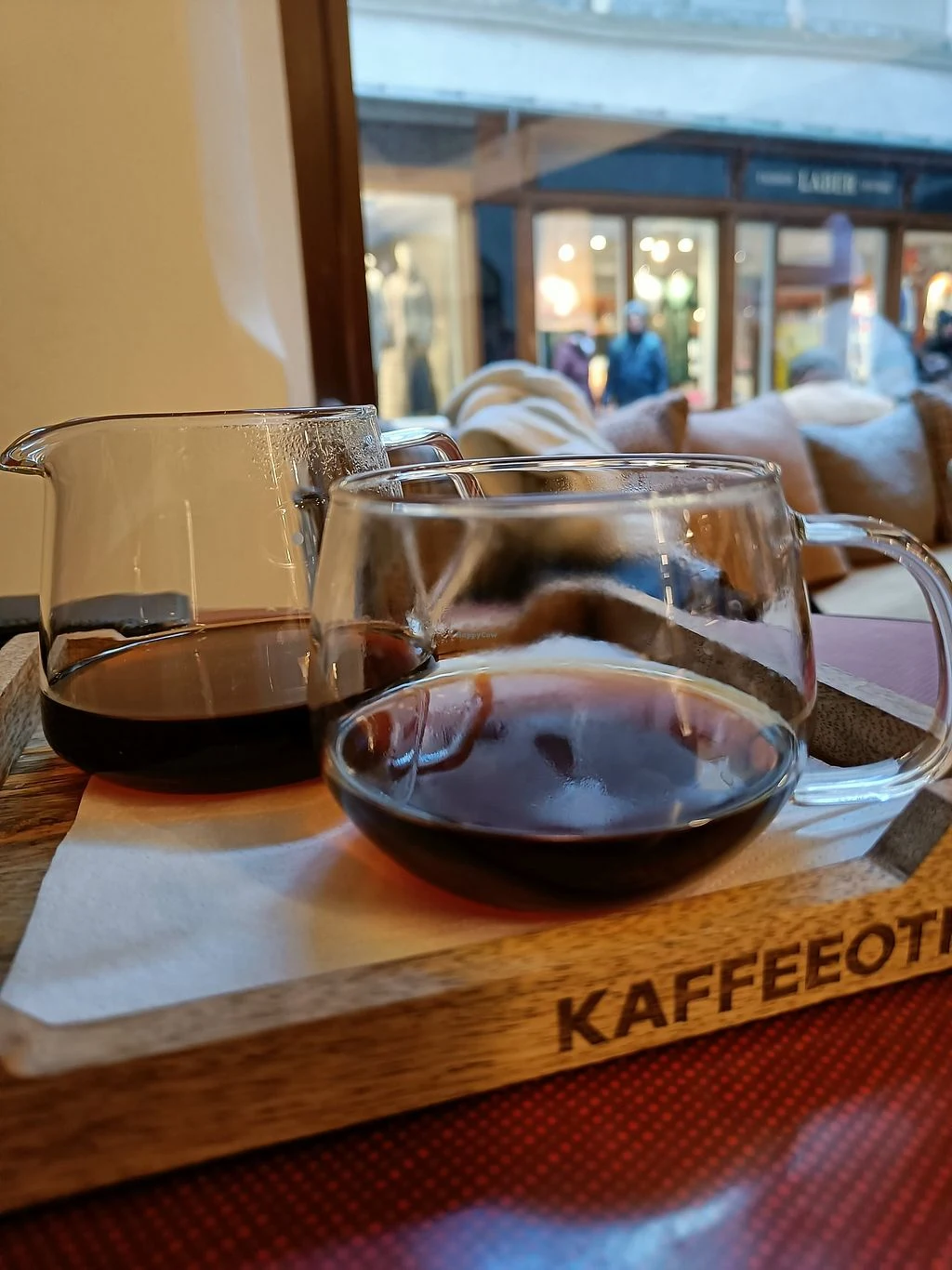
| Kaffeeothek | Café | Old Town |
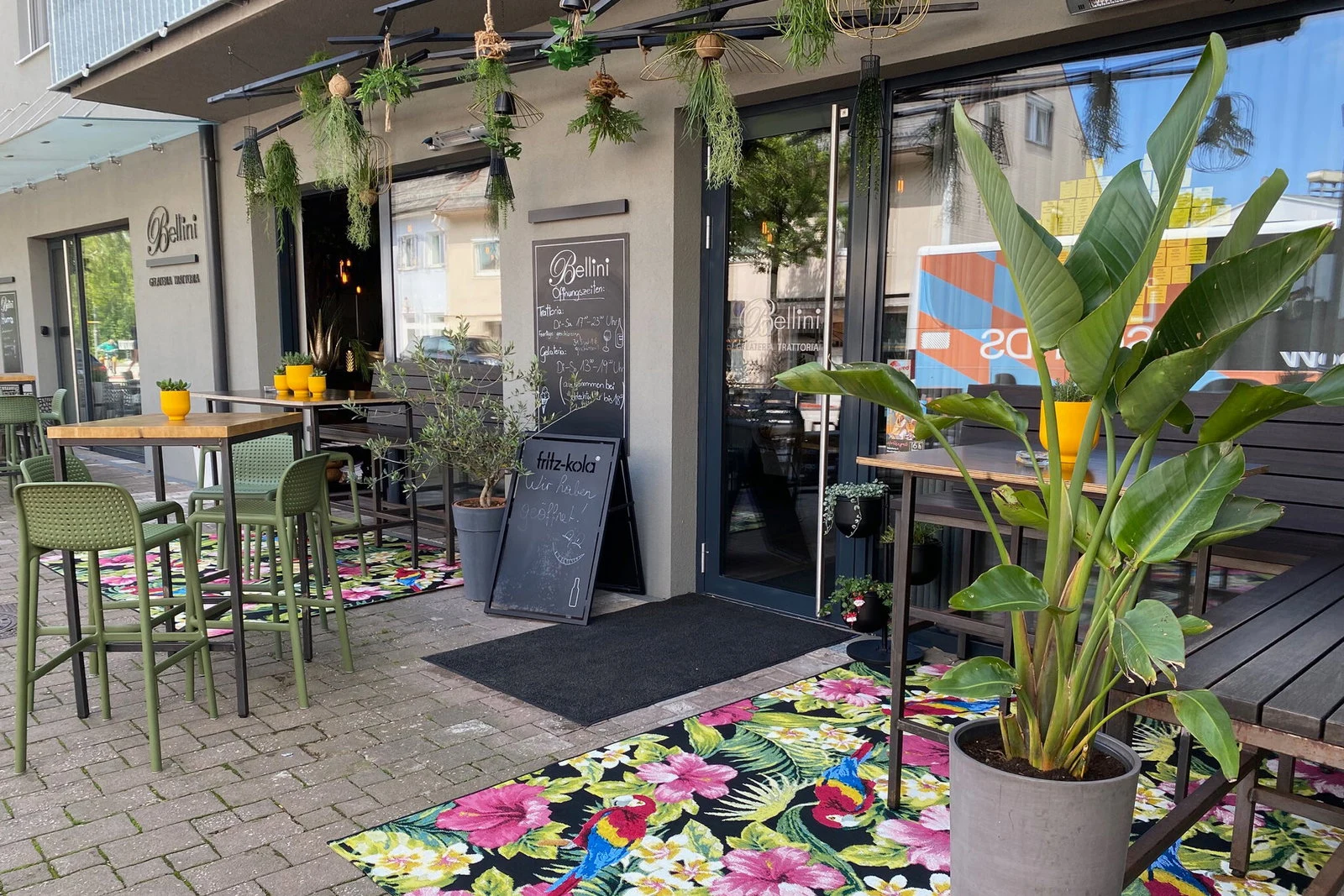
| Gelateria Bellini | Café | — |
| Eden Patisserie | Bakery | Rohrerstraße, Zell am Ziller |
| Wohnzimmer | Café | Altstadt |
| Supremo Coffee | Café | Unterhaching |