Why go
Afternoon tea sets the pace
Afternoon tea gives Cafe Occidental its rhythm: sandwiches, scones, cakes and pastries arriving together, so a table can move between savoury and patisserie without committing to a meal. Coffee is the other anchor, and in colder months the order of choice is a coffee and a brandy, which places the room in a European hotel-lounge tradition rather than a fast cafe format. The rest of the list keeps the day open, with coffees, teas, hot chocolates, wine, aperitifs, digestifs, cocktails, soft drinks and champagne all available. The pace is unhurried and the sitting is the point.
Glass doors, terrace and the sea
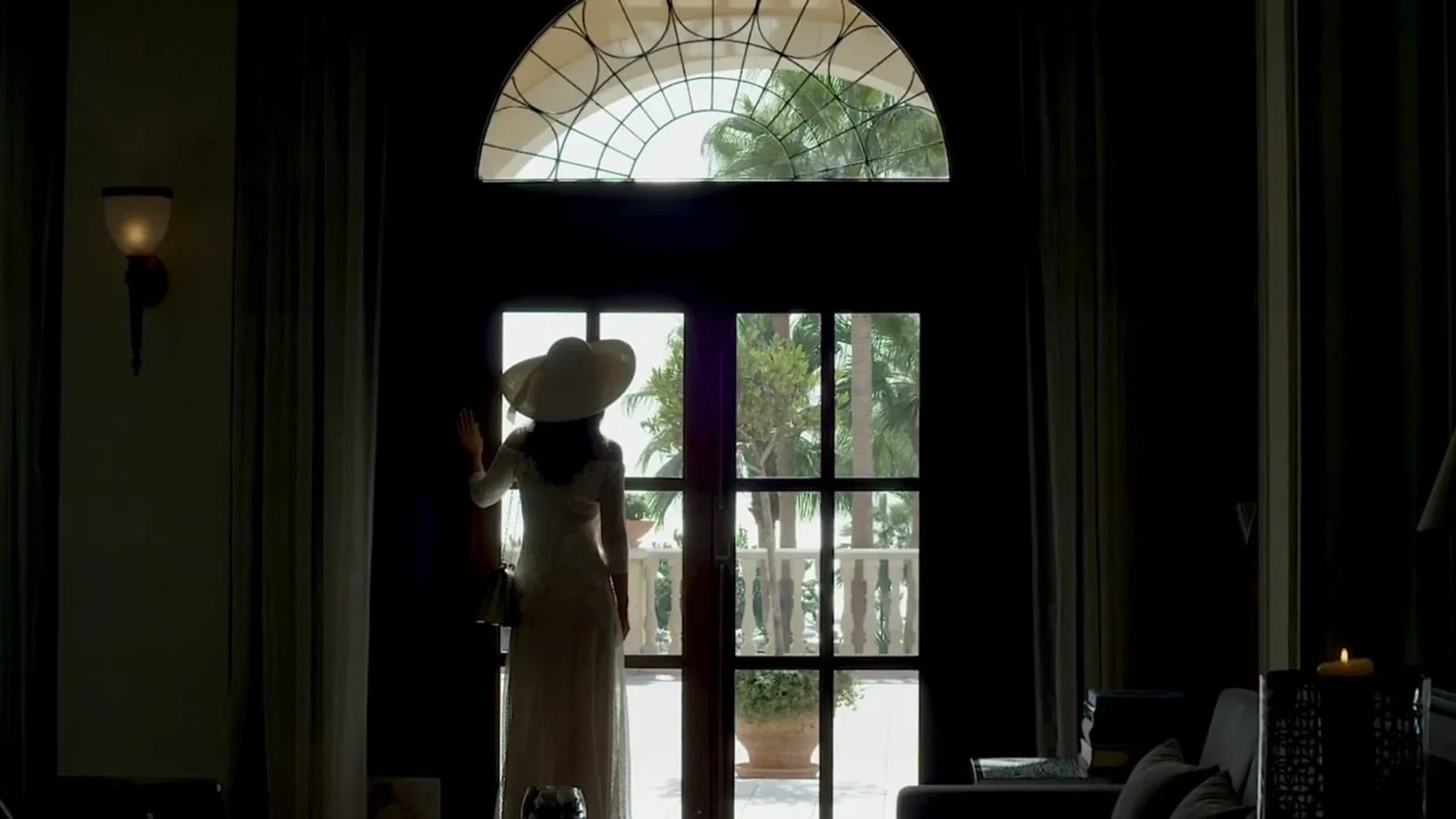
The setting matters as much as the menu. The cafe sits inside the Elysium Hotel, where it works as a refuge for hotel guests, friends meeting over coffee and people using the atrium as a place to talk. The room is spacious, mixing tables, chairs and sofas into something closer to a lounge than a dining room. A wall of glass doors opens the interior onto the terrace above the swimming pool and out to the sea, so the view does constant work, and the sunset is the moment people plan around. In warmer months the terrace tables extend the room outward toward the pool and the water. Inside, an antique medieval stone fireplace and a rack of newspapers add an old-world note that comes into its own in winter, when the cafe reads as a retreat from the weather.
Order afternoon tea, or coffee and a brandy
The strongest order is the one the venue is built around: afternoon tea, with its sandwiches, scones, cakes and pastries. For a shorter stop, a coffee, a tea or a hot chocolate keeps things in cafe territory, while a brandy, a cocktail, an aperitif, a digestif, a glass of wine or champagne moves the visit toward hotel-bar lounging. Snacks fill the gap between the two. Service is part of the appeal: staff are pleasant, well turned out, knowledgeable and multilingual, and many have worked at the hotel for a decade or more, which shows in how a table is looked after. The experience is not a tasting menu or a scripted sequence. It is a polished five-star hotel cafe where reading, talking and watching the sea tend to run longer than planned.
Tags
Frequently asked questions
What should I order at Cafe Occidental?
Afternoon tea is the order the venue is built around, arriving with sandwiches, scones, cakes and pastries so a table can move between savoury and sweet. For a shorter visit, a coffee, tea or hot chocolate keeps it in cafe territory, while a brandy or a glass of champagne turns it into lounge time.
What is the room like at Cafe Occidental?
Spacious and lounge-like, mixing tables, chairs and sofas rather than laying out a dining room. A wall of glass doors opens onto the terrace above the pool and out to the sea, which makes sunset the moment people plan around, and an antique medieval stone fireplace anchors the interior in winter.
Compare nearby places
| Venue | Type | Area |
|---|---|---|
| Localito | Café | Venizelou Street / Neofytou Nikolaidi area |
| WAGMI COFFEE | Café | Center of Limassol |
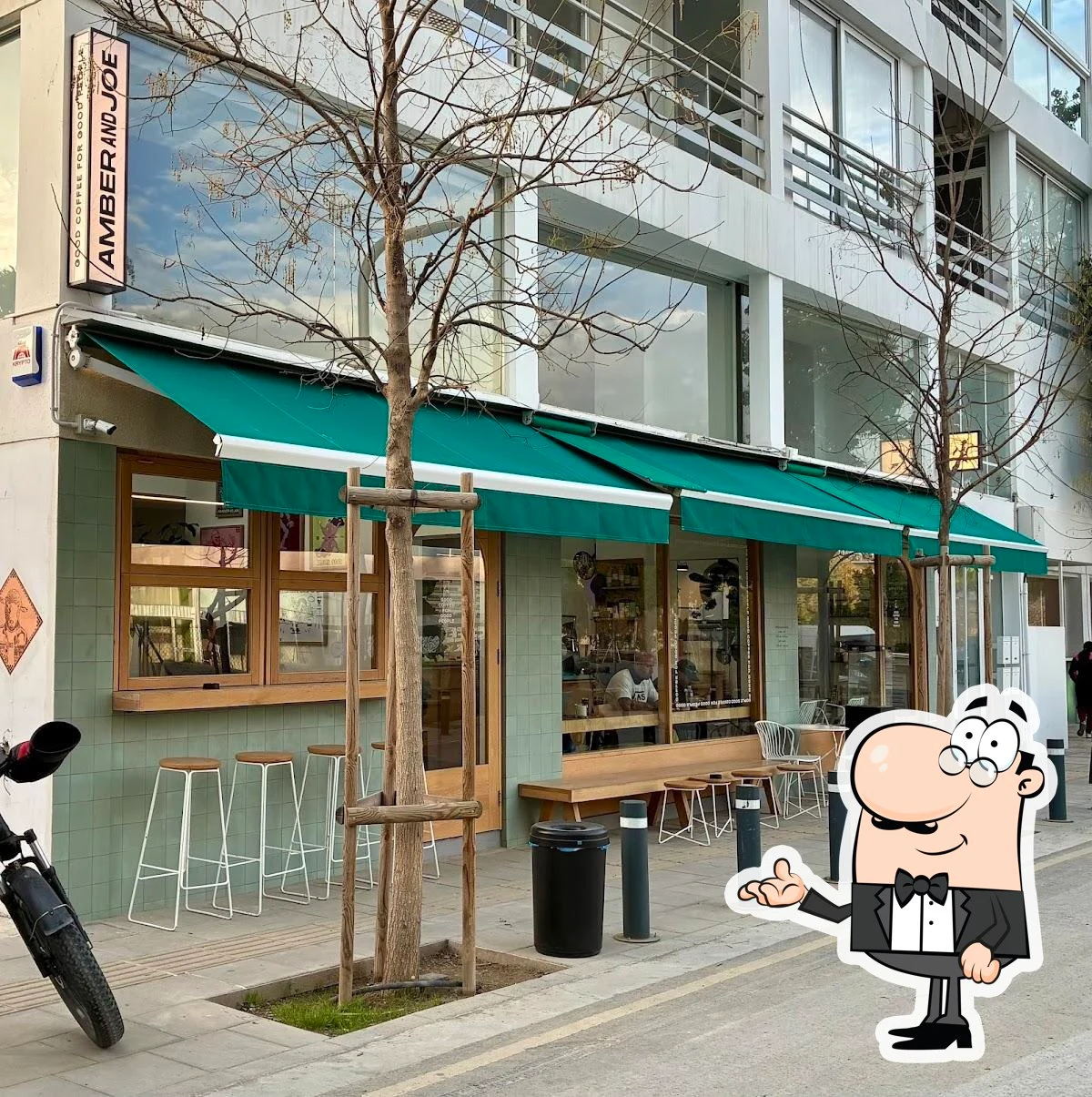
| Amber and Joe | Café | Strovolos |
| The Daily Roast | Café | Nicosia |
| UTU Coffee | Café | Evagorou |