Why go
Viennese coffee enjoyment is the promise, and it is kept in the simplest way: a coffee specialty, a homemade pastry, and St. Stephen's Cathedral in the window. Cafe Giacomo Aragall is the coffeehouse of Boutique Hotel am Stephansplatz.
Coffee specialties and homemade pastries
The offer centres on Viennese coffee specialties and pastries made in house, so the natural order is the traditional one: choose a coffee, add something sweet, and treat the visit as a pause rather than a meal.
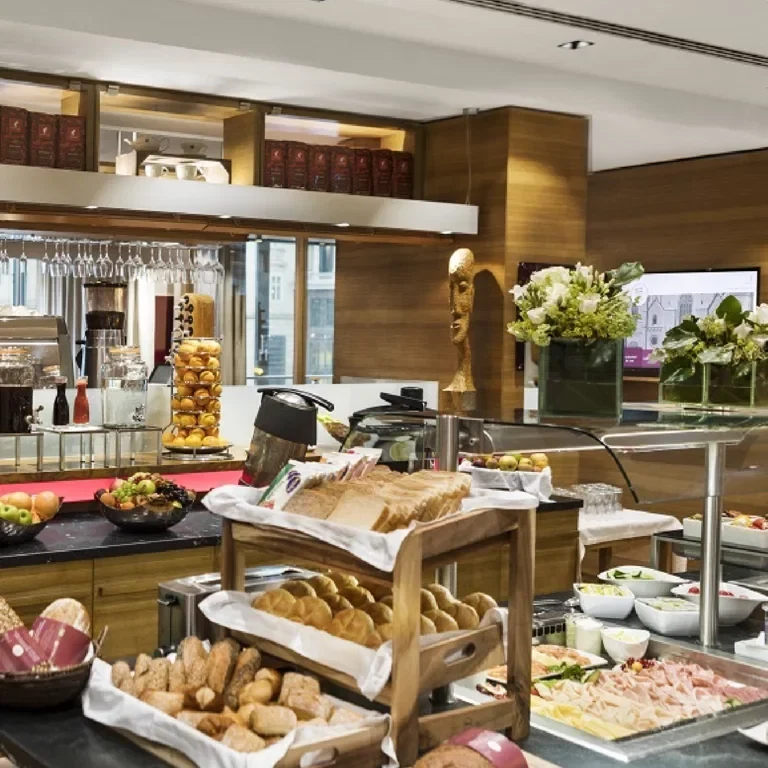
The menu does extend past the pastry case. Classic warm and cold coffeehouse snacks give the food an all-day shape without turning the room into a restaurant. In the morning the breakfast buffet is the fuller option, bringing warm and cold dishes, freshly squeezed juices and the same coffee specialties together.
Art, a tenor and a cathedral view
This is not a standalone restaurant and does not try to be. It sits inside the hotel, and the atmosphere comes from three things: the art, the hospitality standards of the house, and the cathedral that stays in view. The hotel's own phrase for the room is unique art meeting coffee specialties, with St. Stephen's always in sight, and that is a fair description of what it trades on. Nothing here is engineered for a queue.
The name carries the rest of the story. The café is named for the Spanish tenor and chamber singer Giacomo Jaime Aragall, who stays at the property when he is in Vienna, and the owners, admirers of his work, named their feel-good café after him. That gives the room a music-and-arts inflection without making it a chef-led venue. What it is instead is quiet, classic, cathedral-facing and built on coffeehouse service.
How to order
Start with a Viennese coffee specialty and a homemade pastry. That pairing is the clearest signature and the reason the room exists. For something more substantial, move to the warm and cold coffeehouse snacks, which are the closest thing here to a plated course.
Earlier in the day the breakfast buffet is the broader choice, gathering warm dishes, cold dishes, freshly squeezed juices and coffee specialties in one go. Later, the smaller coffee-and-pastry stop is the more direct experience. Treat it as a relaxed Viennese coffeehouse visit rather than a specialist roaster counter or a formal meal.
Tags
Frequently asked questions
What should you order at Cafe Giacomo Aragall?
A Viennese coffee specialty with a homemade pastry is the pairing the café is built around. If you want something more substantial, the classic warm and cold coffeehouse snacks cover it, and earlier in the day the breakfast buffet brings warm dishes, cold dishes and freshly squeezed juices together with the coffee.
Compare nearby places
| Venue | Type | Area |
|---|---|---|
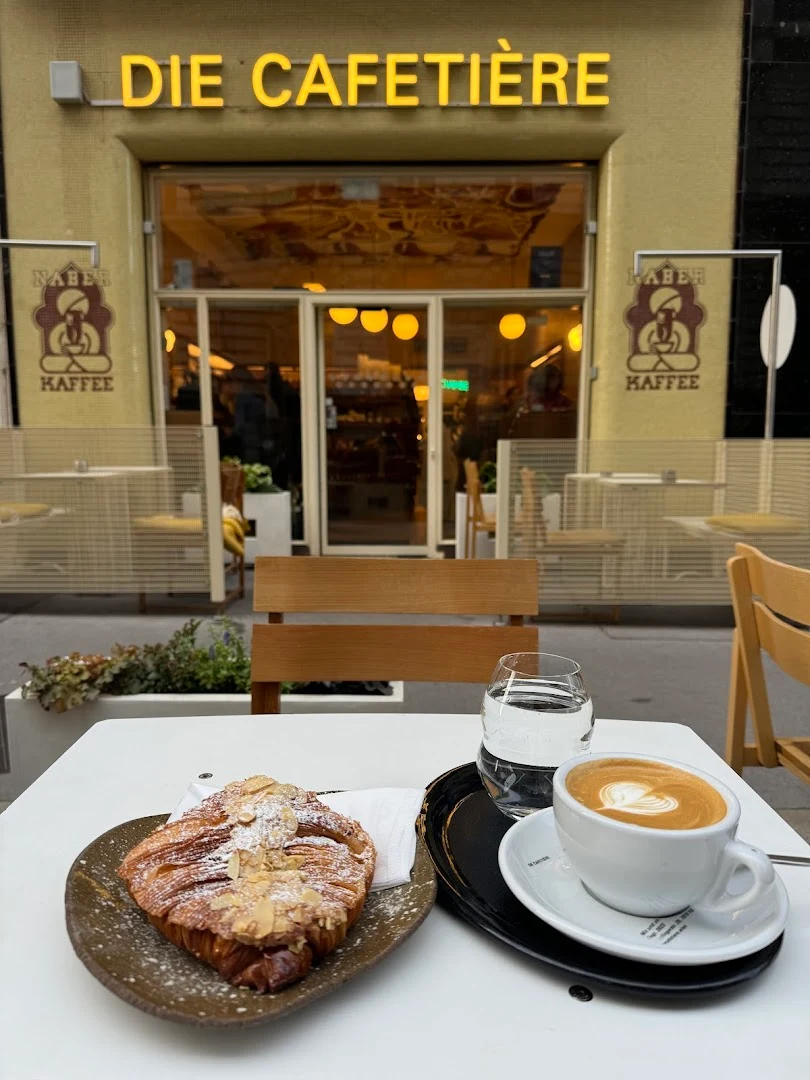
| Die Cafetière | Café | Innere Stadt |
| Café Exchange | Café | Innere Stadt |
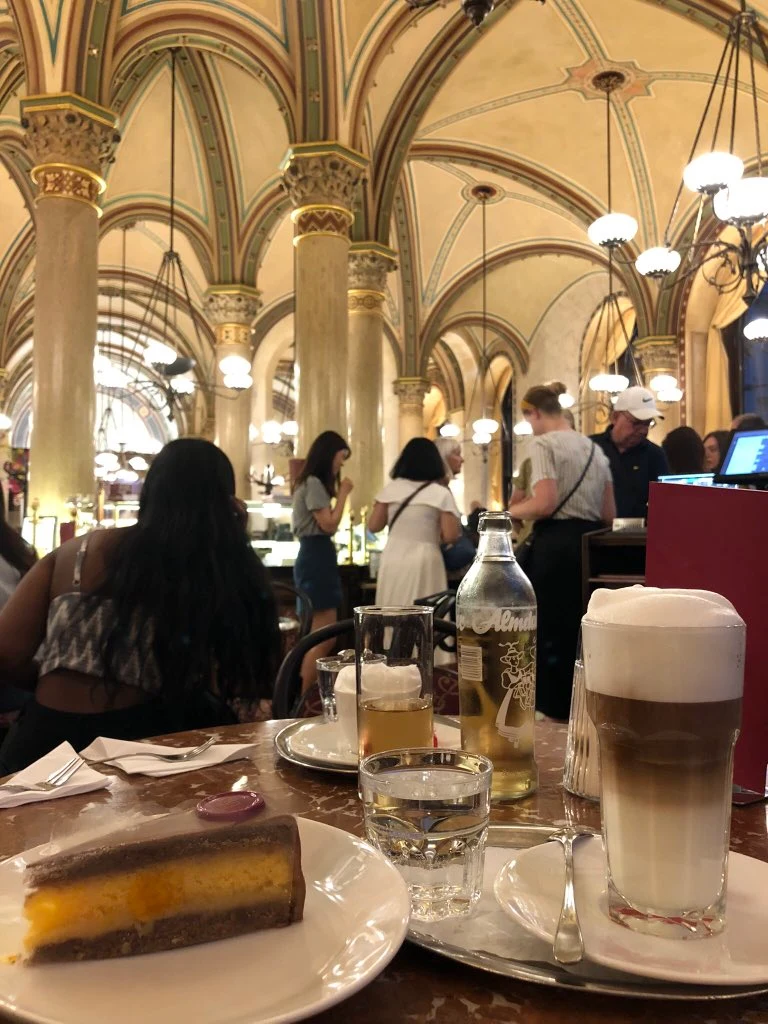
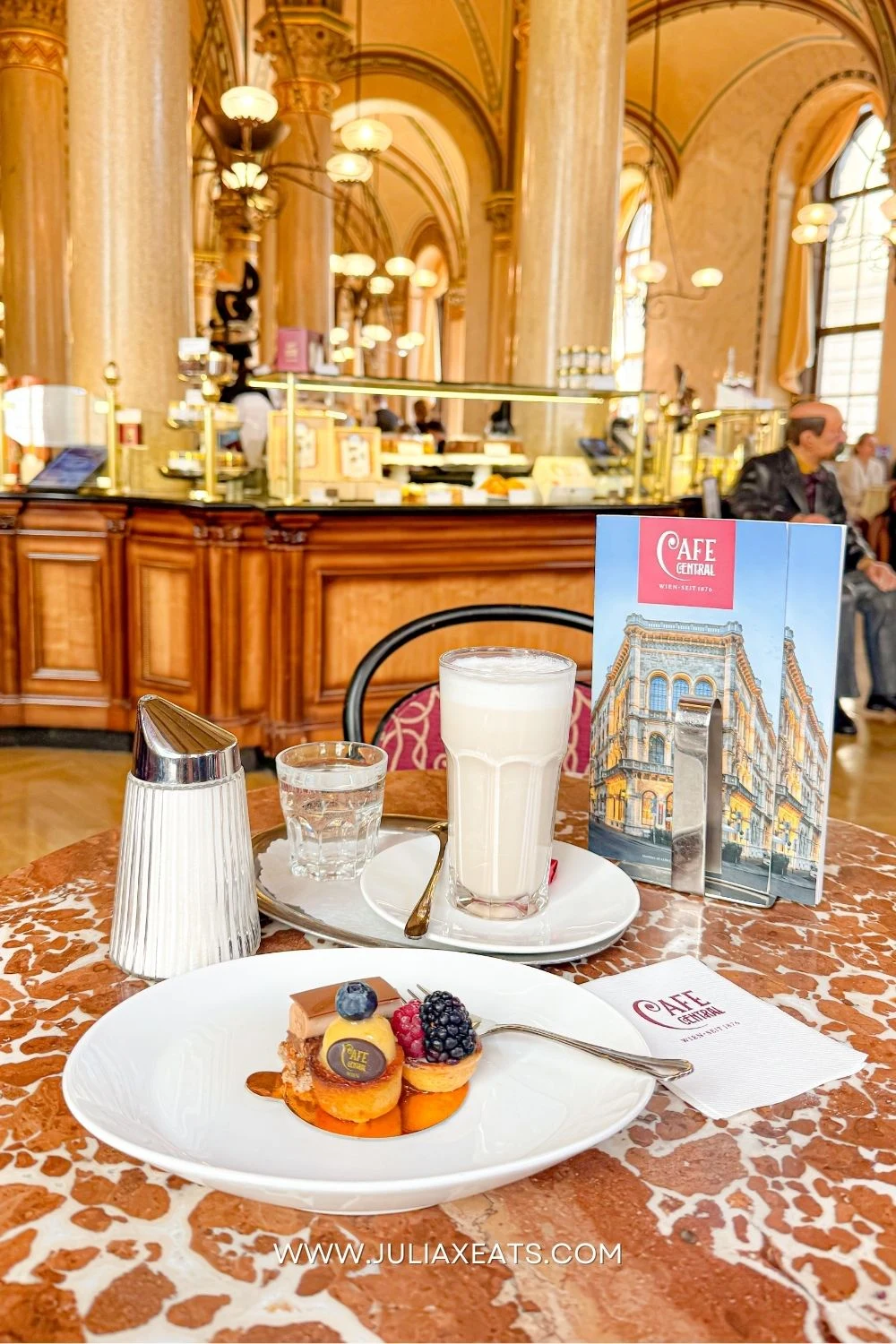
| Café Central | Café | Innere Stadt |
| NÜD Coffee&Art | Café | Innere Stadt |
| Café Caspar | Café | Innere Stadt |