Why go
Cheesecake and an Aperol Spritz sit on the same list at Café Caspar, which tells you how wide the day runs here. The house calls itself Wiens Wohnzimmer, Vienna's living room, and it means it: coffee with friends, lunch, snacks, birthdays, concerts and long afternoons with a book.
One room, many uses
Caspar works as a flexible city-centre café rather than a single-purpose coffee bar. That range puts it squarely in the Viennese coffee-house tradition, where the café functions as a public living room, but the format is contemporary. It is about meeting and lingering as much as ordering, and the room is arranged so that nobody is hurried out of it.
The kitchen widens the picture further. The kitchen cooks its own, and gnocchi and Knödel are the dishes to look for, with cakes and sweet things running alongside them. So the same room moves from lunch to coffee and cake to an evening drink without changing character.
Sofas, books and a laptop
The room does a lot of the work. There are comfortable, stylish sofas as well as ordinary chairs and tables, so the seating supports both lingering and a quick stop. Warm lighting, illustrated artwork and bold wallpaper give it a playful edge, and the interior reads light, airy and modern with a twist.
Its uses stack up. The house hosts birthdays, graduation celebrations, corporate parties and concerts, and by day it is a practical place to work: fast Wi-Fi, plenty of sockets, a shelf of books and small notepads for sale. That combination is why people sit for longer than one espresso.
What to order
For something savoury, the gnocchi and the Knödel are the named dishes and the ones that match the homemade description. They anchor the lunch end of the menu, which is more substantial than a pastry counter.
For something sweet, the house singles out its cheesecake, and the wider cake selection sits beside it. Coffee is central to how the café presents itself, and the Aperol Spritz is the named drink that carries the room into the evening. Follow those anchors: coffee and cheesecake for a classic pause, gnocchi or Knödel when you want a meal, an Aperol Spritz when the visit turns social. Between the kitchen, the cake counter and the drinks list, it is one of the few rooms in the centre that works equally well early and late.
Tags
Frequently asked questions
What should I order at Café Caspar?
Coffee and cheesecake for the classic Viennese pause, since the cheesecake is the sweet the house singles out. For something substantial, the gnocchi and the Knödel are the named dishes from the homemade kitchen. An Aperol Spritz is the drink that carries the room into the evening.
Can you work at Café Caspar?
Yes, and it is set up for it. There is fast Wi-Fi and plenty of sockets, plus comfortable sofas alongside ordinary tables and chairs. A shelf of books and small notepads for sale reinforces the point. The café also hosts concerts and private celebrations, so evenings can get busier.
Compare nearby places
| Venue | Type | Area |
|---|---|---|
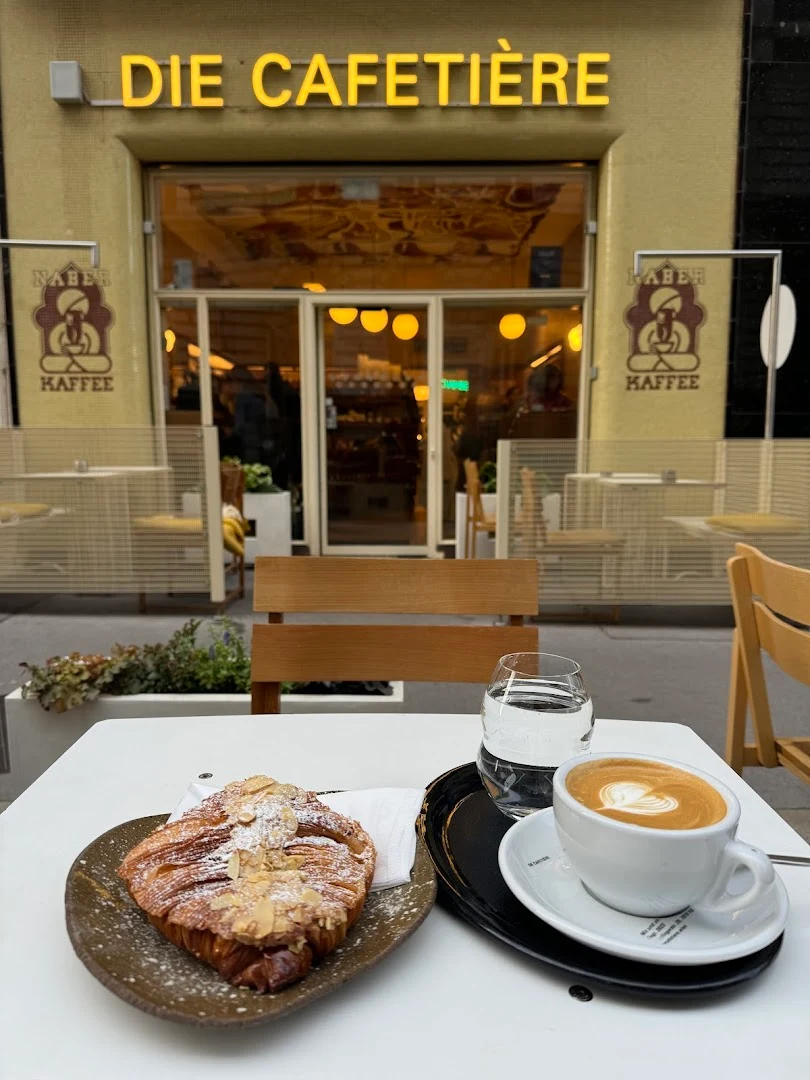
| Die Cafetière | Café | Innere Stadt |
| Alt Wien Kaffee | Café | Innere Stadt |
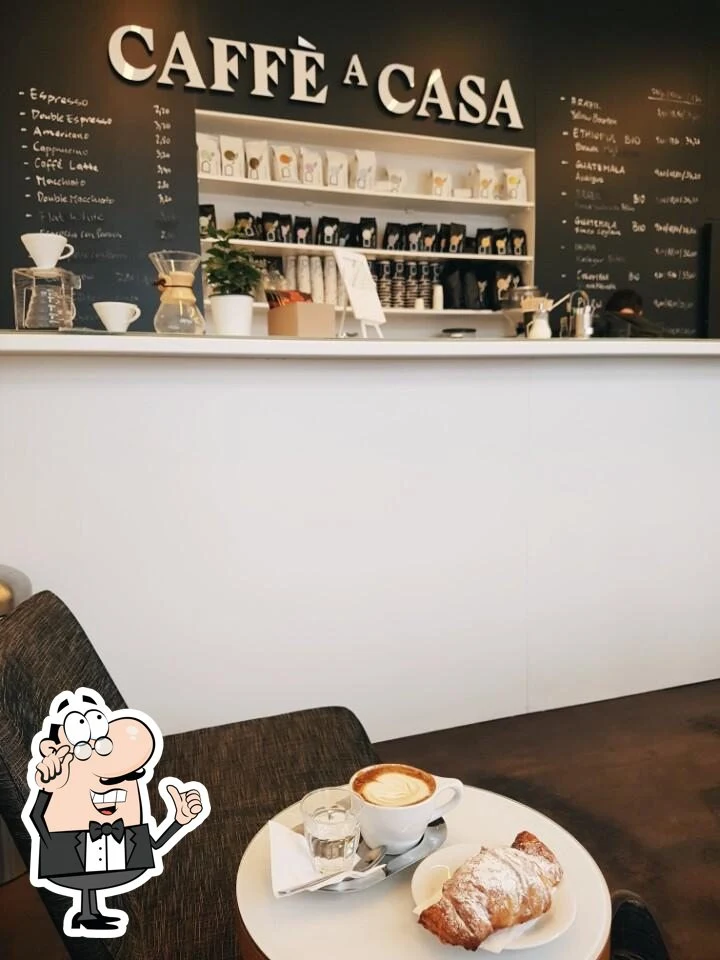
| Caffè a Casa | Café | Innere Stadt |
| Café LIEBEN WIR Coffee Concept Store | Café | Innere Stadt |
| NÜD Coffee&Art | Café | Innere Stadt |