Why go
A barista counter and a dining room under one roof
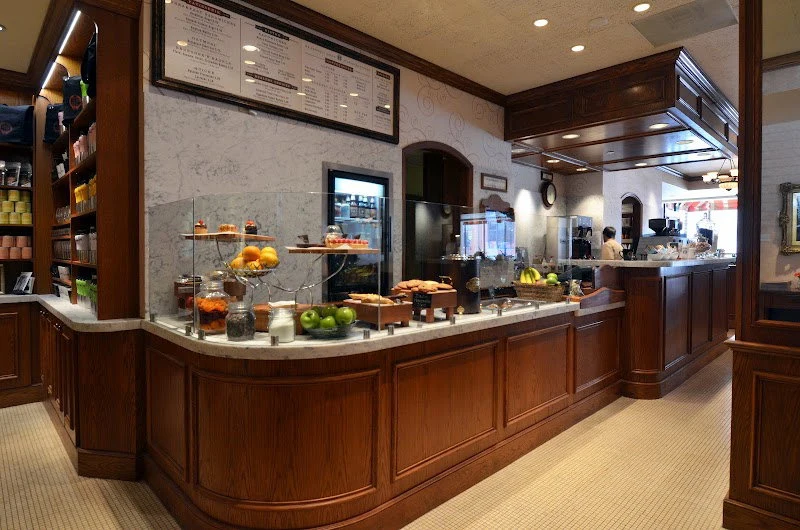
Two formats run side by side inside The Pfister Hotel in downtown Milwaukee. One is a seated café serving breakfast and lunch; the other is a Barista Counter built around Starbucks coffee, pastries and grab-and-go. Deciding which of the two you want is most of the decision here, and the room is set up so that neither choice feels like a compromise.
The kitchen works an approachable American hotel-café model rather than a tasting format or a chef-driven showcase. Traditional breakfast plates open the day, then homemade soups, seasonal salads and fresh sandwiches carry the middle of it. Gluten-free choices extend the menu past a simple coffee-and-muffin stop, and a kids menu keeps families in the room alongside hotel guests and downtown professionals.
Pastry made in the hotel
The patisserie half of the name is not decoration. Freshly baked pastries, desserts and other sweets come from the hotel's own pastry chefs, which is what separates this counter from a standard lobby coffee kiosk. The case is the reason to stop in without committing to a meal.
It also sets the tone of the seated side. The dining area reads as a classic bistro rather than a high-energy scene, comfortable enough for a breakfast meeting, a slow hotel breakfast or a lunch break that runs long. The café is built to hold several audiences at once without shifting into a formal dinner setting.
What to order at each end of the day
At breakfast, take the traditional breakfast plates and pair them with coffee from the Barista Counter. For a shorter visit, go straight to the pastry case, where the in-house baking gives the counter its patisserie dimension.
At midday the dependable path runs through homemade soups, seasonal salads and fresh sandwiches. Those categories define the café's lunch identity more clearly than any single named dish, and the seasonal salad language points to a menu that moves rather than a fixed list. Soup and a sandwich stays practical for a workday meal; the salads are where the kitchen shows what the season is doing.
Among Milwaukee café options, the distinguishing combination is this: familiar Starbucks coffee at the counter, a hotel-run seated room for breakfast and lunch, and pastry work done on site.
Tags
Frequently asked questions
What should I order at Café at the Pfister?
Start with the pastry case, since the sweets, desserts and freshly baked pastries are made in house by the hotel's pastry chefs. At breakfast, pair a traditional breakfast plate with coffee from the Barista Counter. At lunch, the reliable order is a homemade soup, a seasonal salad or a fresh sandwich.
Is the coffee at Café at the Pfister roasted in house?
The Barista Counter pours Starbucks coffee rather than a house roast, so the café's own production shows up in the baking instead. Pastries, desserts and sweets are made on site by the hotel's pastry chefs, which is what gives the counter its patisserie side alongside the seated dining room.
Compare nearby places
| Venue | Type | Area |
|---|---|---|
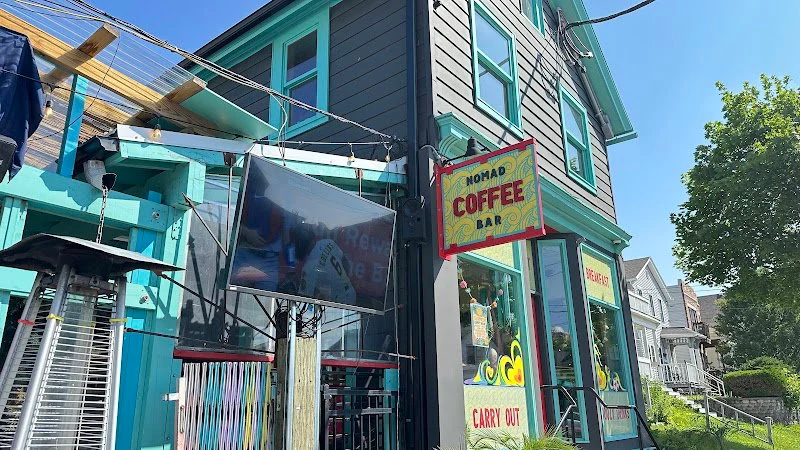
| Nomad Coffee Bar | Café | Lower East Side |
| Blue Collar Coffee Co. | Café | historic downtown Delafield |
| Bean Bar | Bakery | — |
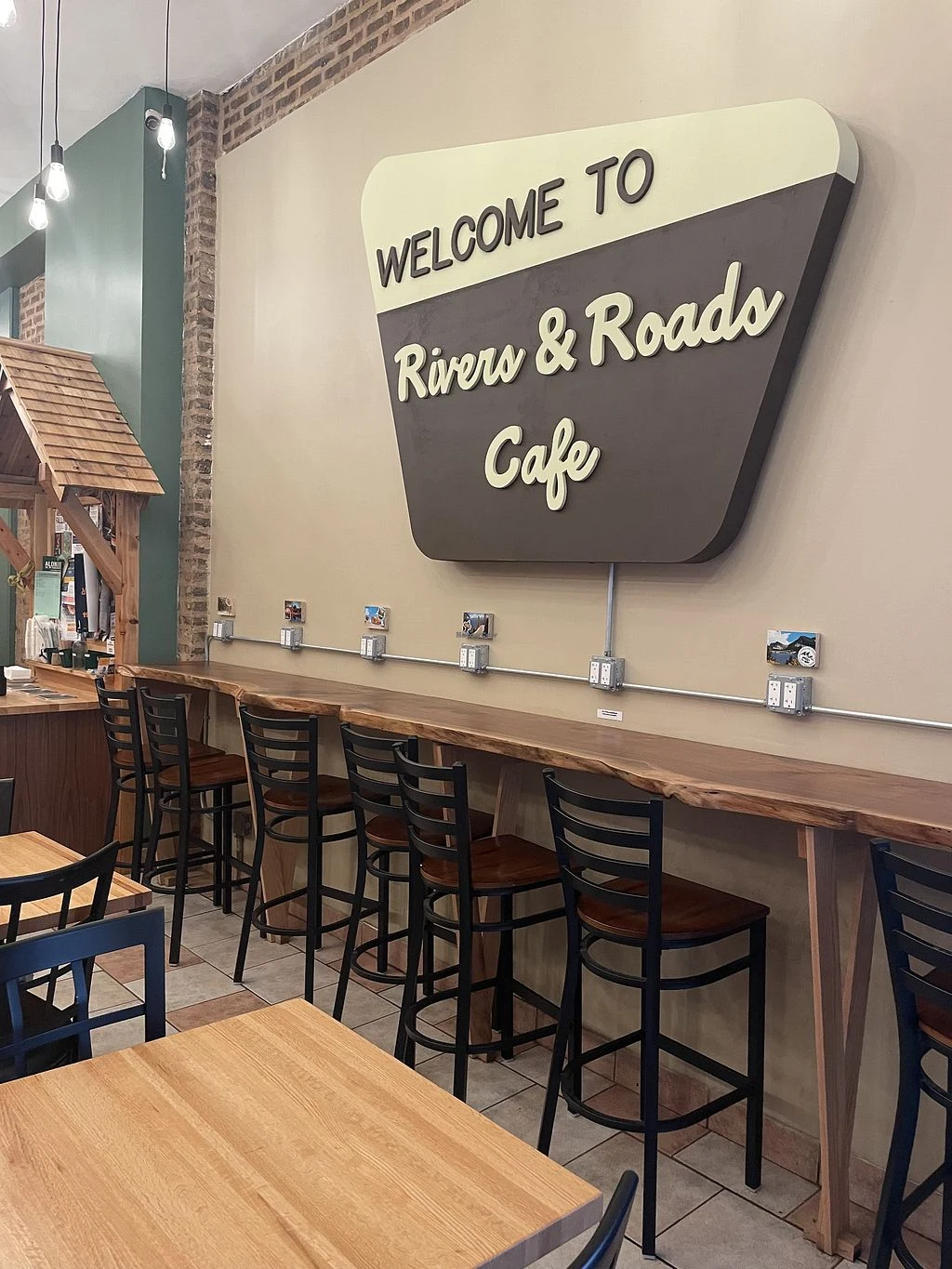
| Rivers & Roads Cafe | Café | Edgewater |
| The Coffee Studio | Café | Andersonville |