Why go
Ruby Coffee Roasters on the bar, sandwiches behind it
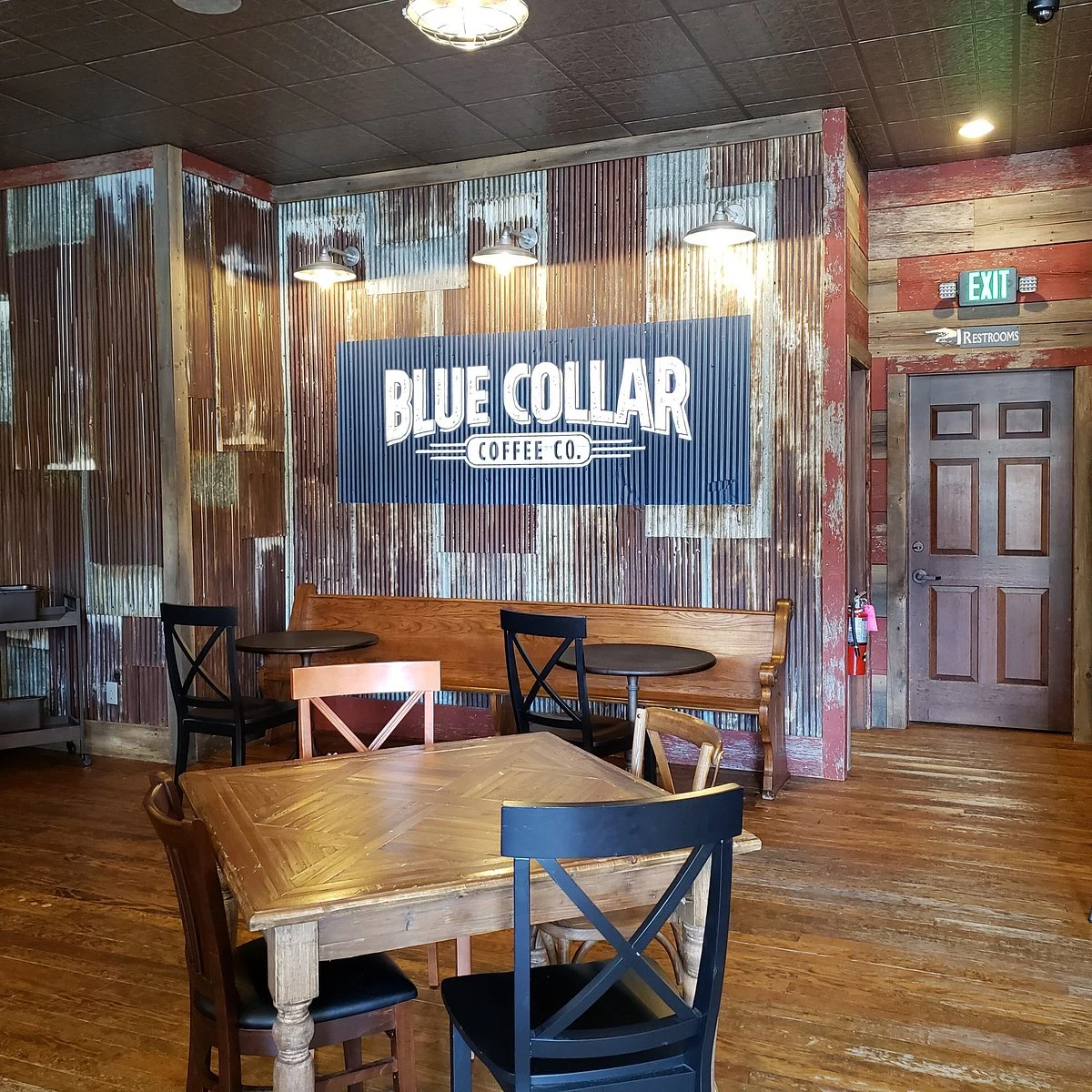
Espresso here is pulled with beans from Ruby Coffee Roasters, the Wisconsin roaster that supplies the handcrafted coffee side of the menu, and that partnership is the most useful thing to know before ordering. Around it, Blue Collar Coffee Co. runs a broad counter: breakfast, hot sandwiches, tea, smoothies and a rotating list of seasonal drinks. The Delafield shop is part of a small group with rooms in Beloit, Indianapolis and Boise, and the brand's line about coffee with character for hardworking people describes the register accurately. This is a neighborhood coffee shop with a working lunch counter attached, not a tasting bar, and it is comfortable being used either way.
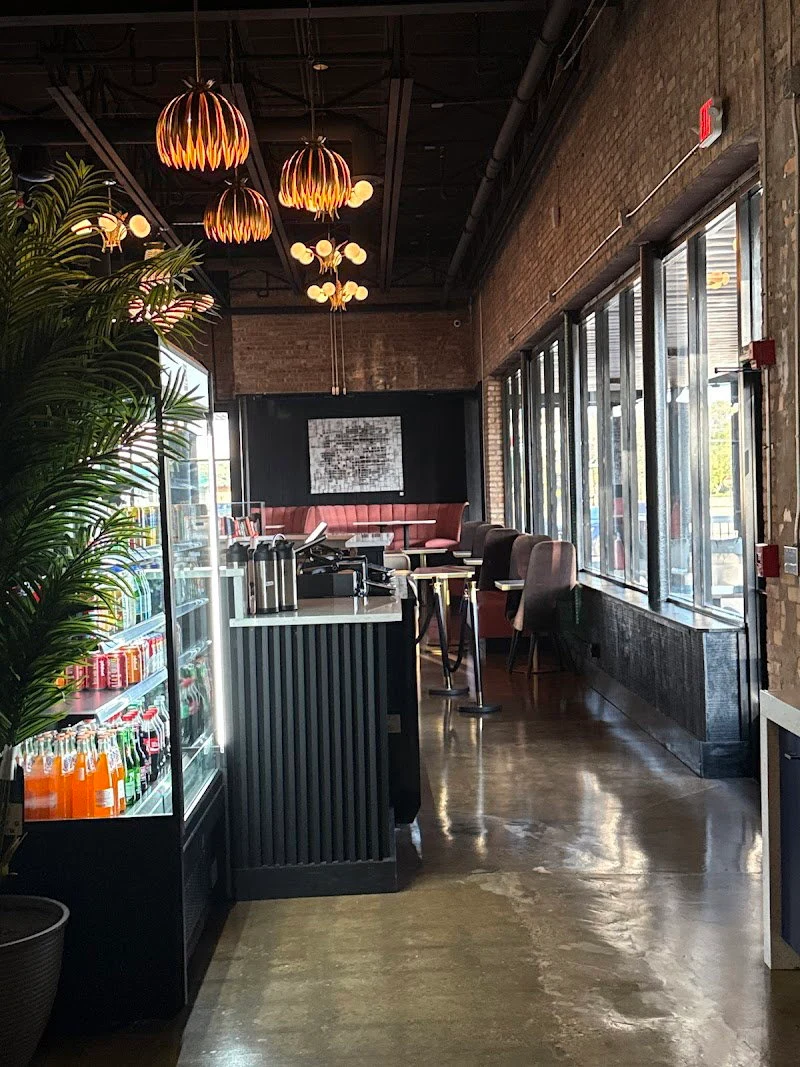
Lounge seating, WiFi and a room that lets you stay
The room is set up for two kinds of visit. There is lounge seating and WiFi for anyone settling in with a laptop or meeting someone, and there is a faster lane for the coffee-and-sandwich run that never sits down. Most of the day the two overlap without friction. Mornings lean on breakfast and espresso, and the hot sandwiches carry the counter into the middle of the day. The tone is friendly rather than precious. Blue Collar also points guests outward, toward the markets, trails and small businesses around each of its shops, which is a fair description of the role it plays in Delafield: a starting point rather than a destination in itself.
Start with the Blueberry Cheesecake Cold Brew
The seasonal drinks are where the personality shows. Start with the Blueberry Cheesecake Cold Brew for the flavored cold-coffee side, then look at the Churro Chai Latte for something spiced and dessert-leaning. The summer list has run to a Bomb Pop Matcha Latte, a Cotton Candy Latte, Snow Cone Lemonade and a Pineapple Whip Smoothie, so the menu is not limited to standard espresso drinks, and tea and smoothies are part of the regular structure rather than an afterthought. If you want to read the coffee itself, order an espresso or a plain milk drink and let the Ruby beans speak without a syrup in the way. The food side is more functional: breakfast items and hot sandwiches, built for a quick morning or a working lunch, and steady enough that most regulars order the same thing twice a week.
Tags
Frequently asked questions
Whose coffee does Blue Collar Coffee Co. serve?
Ruby Coffee Roasters, a Wisconsin roaster, supplies the beans for the espresso and the handcrafted coffee drinks. That makes an espresso or a plain milk drink the clearest way to read the coffee itself, while the flavored and seasonal drinks sit on top of the same base.
Can I work there?
Yes. The room is built for it, with WiFi and lounge seating alongside the counter, so laptop sessions and casual meetings are a normal part of the day. There is also a faster lane for people collecting a hot sandwich and a coffee without sitting down, and the two uses run side by side.
Compare nearby places
| Venue | Type | Area |
|---|---|---|
| Café at the Pfister | Café | Downtown Milwaukee |
| Nomad Coffee Bar | Café | Lower East Side |
| Bean Bar | Bakery | — |
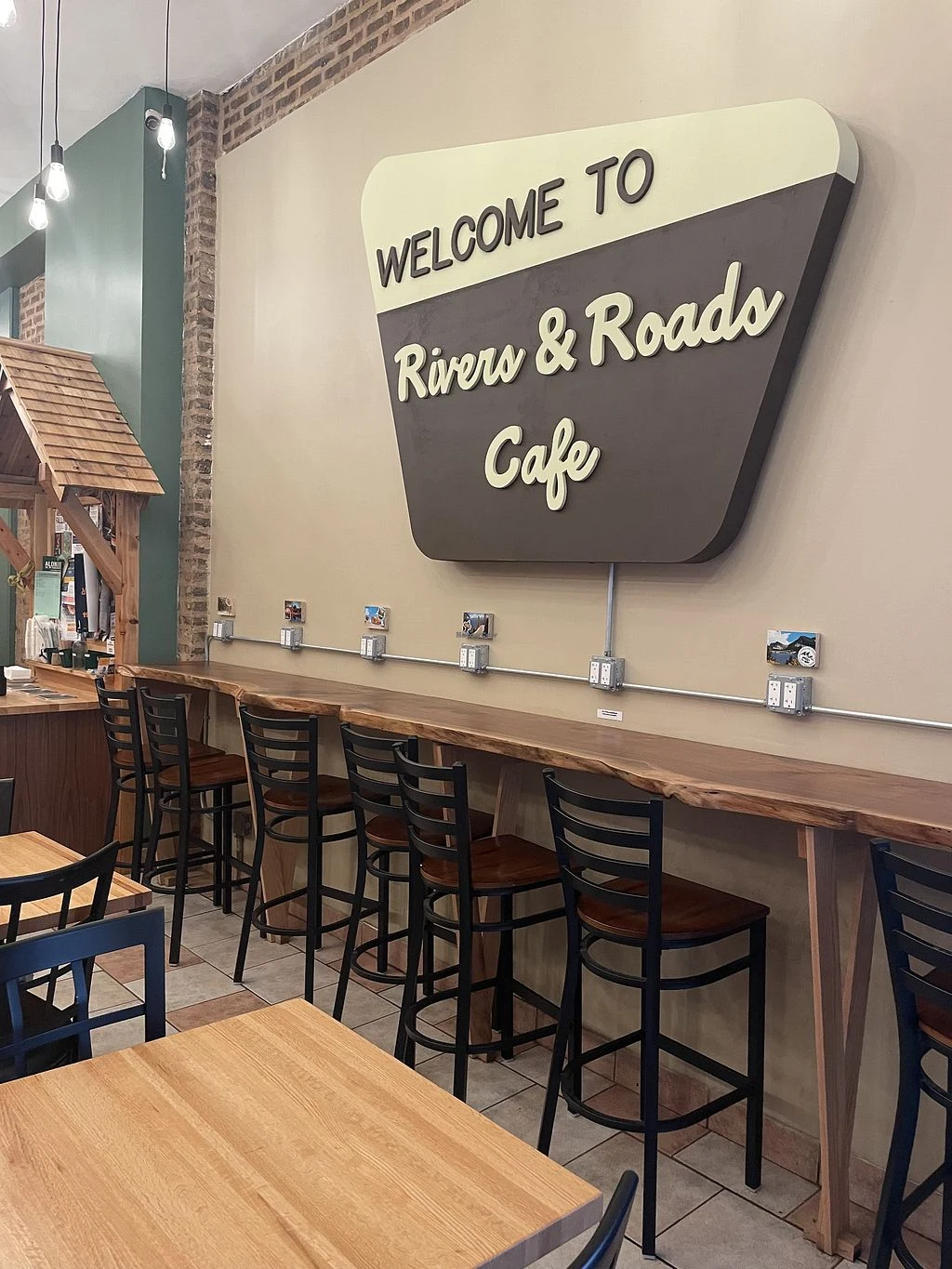
| Rivers & Roads Cafe | Café | Edgewater |
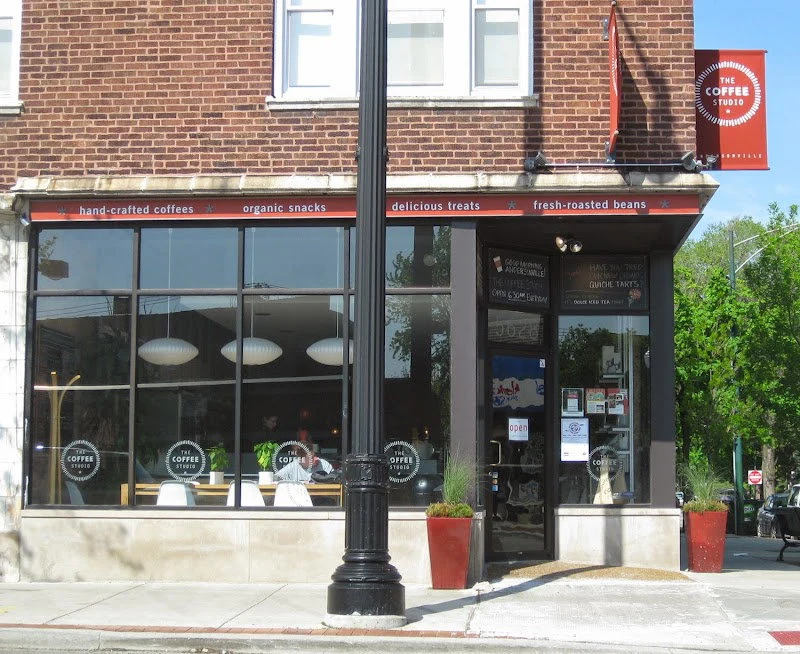
| The Coffee Studio | Café | Andersonville |