Why go
A pastry counter inside the Crillon
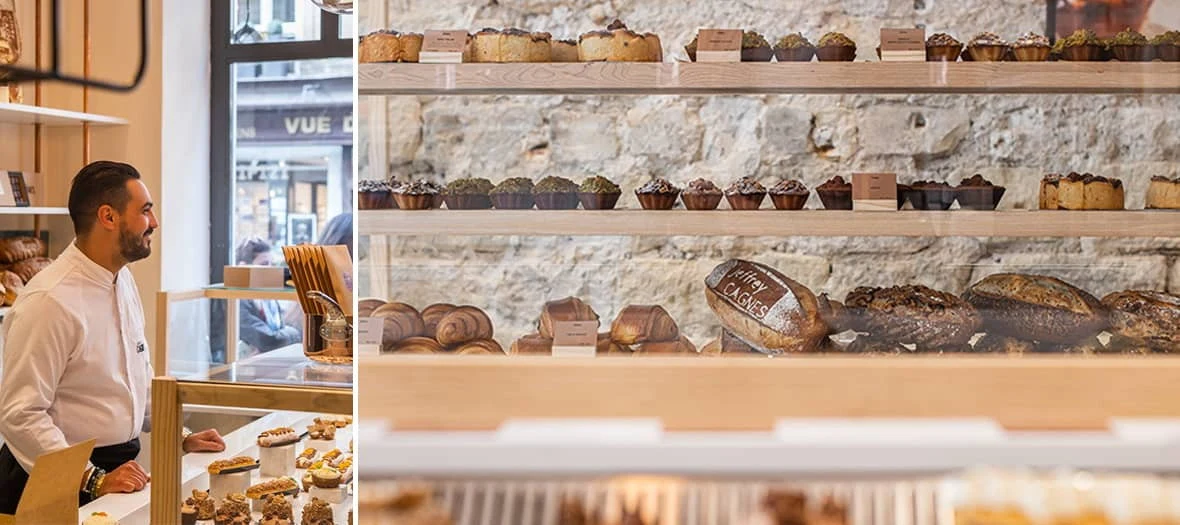
The display is the point here. Contemporary pastries, seasonal desserts, entremets and chocolates are set out as objects to be looked at before they are eaten, and the packaging and visual rhythm of the case are treated as part of the work. Butterfly Pâtisserie is the dedicated pastry room of Hôtel de Crillon, A Rosewood Hotel, an espace gourmand rather than a café or a full dining room, and the house calls it an écrin précieux, a precious jewel case. That framing suits a boutique-scale room where the sweets sit inside the hotel's own hospitality world, closer to high-end Parisian pâtisserie than to bakery territory. Pastry here is a polished extension of the property rather than a side counter, built around sweet craft, presentation and gifting in equal measure.
Matthieu Carlin's range
Chef pâtissier Matthieu Carlin, the pastry chef of the Hôtel de Crillon, is responsible for every sweet thing that leaves this counter, and he arrived by way of renowned starred Parisian kitchens. The menu is broad rather than built around a single hero cake. Entremets signal composed, technically layered cakes made from mousse, cream, sponge and inserts rather than simple slices or viennoiserie alone; the chocolates push the range into confectionery; and the seasonal line changes with the calendar rather than sitting fixed. AD France placed the counter on its 2026 list of the twenty-eight best pâtisseries in Paris, which reads as a fair account of the ambition on show in the case.
Eat it here or carry it out
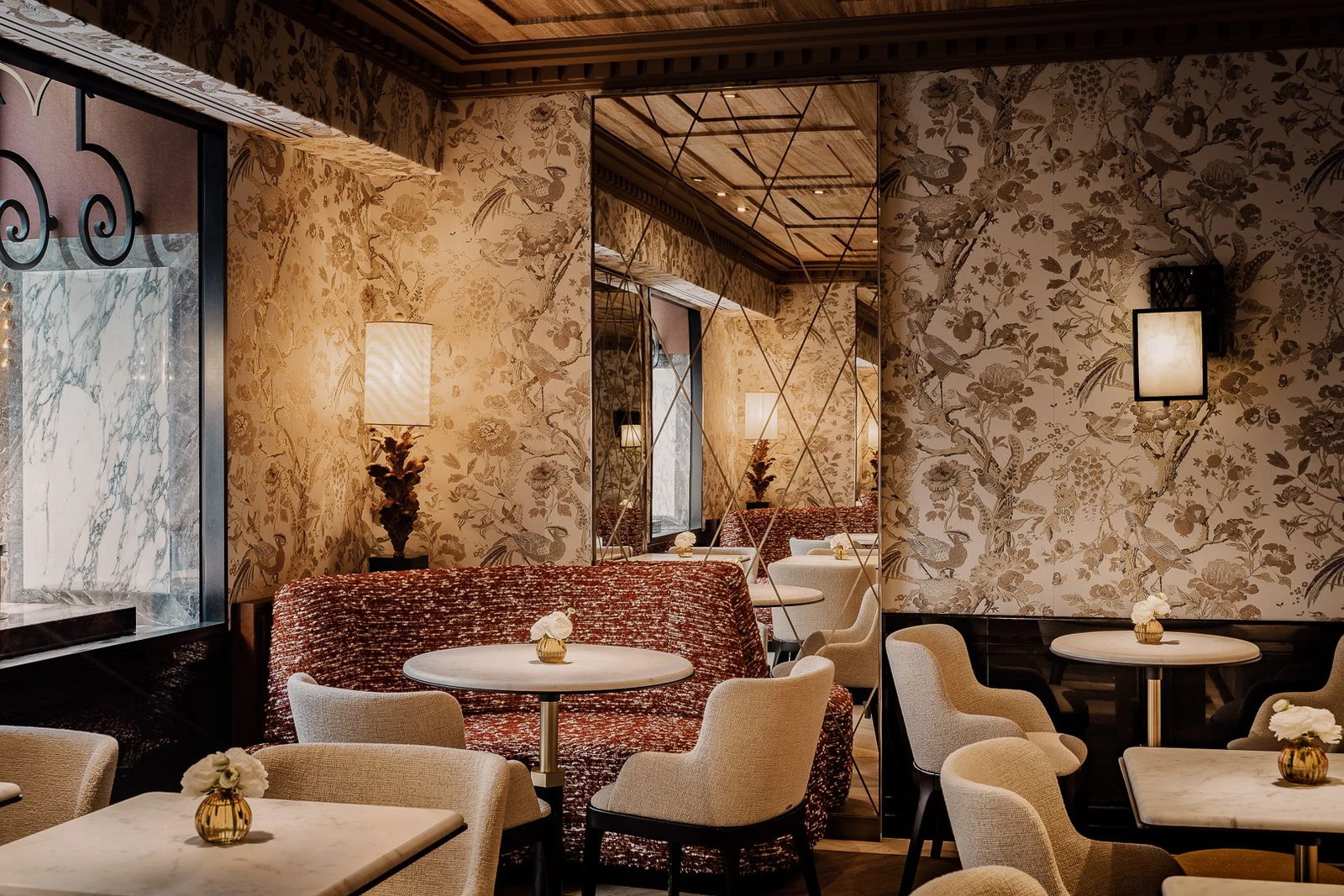
The visit splits cleanly in two. There is a menu sur place, for a seated sweet pause built around one or two desserts, and a menu à emporter, for a boxed purchase carried away, and both draw on the same range. That makes it useful for two different Paris itineraries: a slow half hour with an entremet inside a five-star hotel, or a refined pick-up of pastries and chocolates for later. The Butterfly Room is composed and quiet, designed so the display does much of the talking and so a single dessert can hold a half hour without hurry. The jewel-case language holds up: the sweets are presented as luxury objects as much as desserts, which is exactly what a pastry counter inside the Crillon is for.
Frequently asked questions
What is Butterfly Pâtisserie known for?
Modern French pâtisserie made inside the Hôtel de Crillon. The counter is built around contemporary pastries, seasonal desserts, entremets and chocolates from the hotel's pastry chef, Matthieu Carlin, presented in a jewel-case room where display and packaging matter as much as the eating. AD France listed it among the best pâtisseries in Paris for 2026.
Can you eat at Butterfly Pâtisserie or is it takeaway?
Both. There is a menu sur place for a seated pause built around one or two desserts, and a menu à emporter for pastries, entremets and chocolates boxed to carry away. It is a pastry counter rather than a restaurant, so the visit is a sweet stop rather than a full meal.
Compare nearby places
| Venue | Type | Area |
|---|---|---|
| La Pâtisserie Meurice par Cédric Grolet | Bakery | 1st arrondissement |
| Bontemps La Pâtisserie | Bakery | Le Marais |
| Carette | Bakery | Trocadéro |
| Pâtisserie Toshiya Takatsuka | Bakery | 15th arrondissement |
| Méert | Bakery | Le Marais |