Why go
Macarons, chocolate and refined pastry
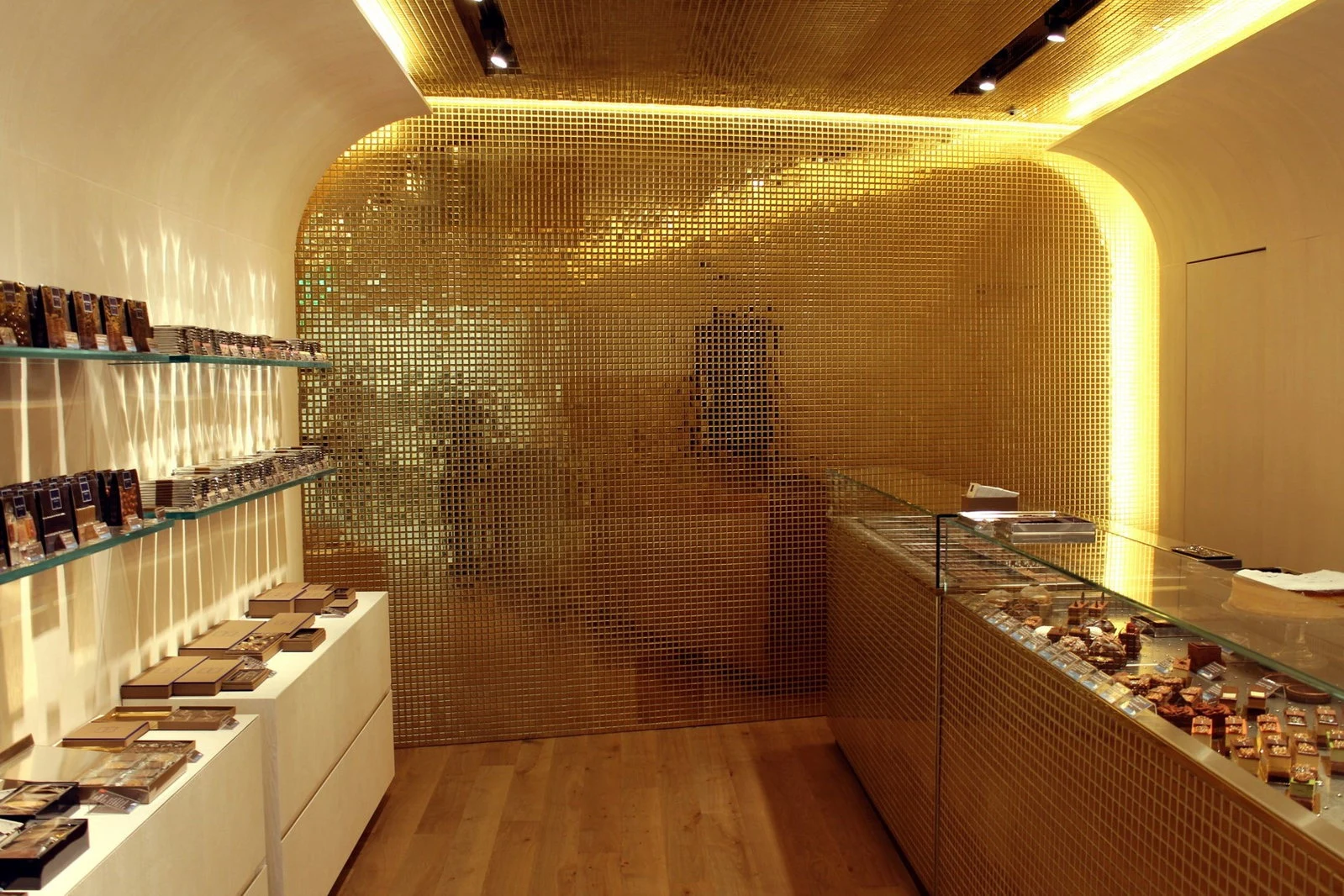
Pierre Hermé Bonaparte is the maison’s pastry boutique at 72 rue Bonaparte in the 6th arrondissement, in the Saint-Germain-des-Prés and Luxembourg area. The brand classifies this address as one of its “Les boutiques : Pâtisseries,” which matters because the focus is macarons, chocolates, cakes, ice creams, spreads and composed pâtisserie rather than bread, croissants or a café lunch menu. The house identity is built around “créations d’exception” and “infiniment gourmandes” sweets, with Pierre Hermé as the namesake creative force. Signature examples include Montebello, made with pistachio dacquoise biscuit, pistachio mousseline cream and fresh strawberries, and Nomade Ispahan, built from macaron biscuit, rose petal cream, rose biscuit, raspberries and lychees. The macaron program includes a coffret to compose from 18 iconic or ephemeral flavors in six formats, while the chocolate range includes Oursons Guimauve, marshmallow bears coated in milk chocolate at 45 percent cocoa and dark chocolate at 64 percent cocoa, created with Michel Bassompierre.
A sleek Paris patisserie boutique
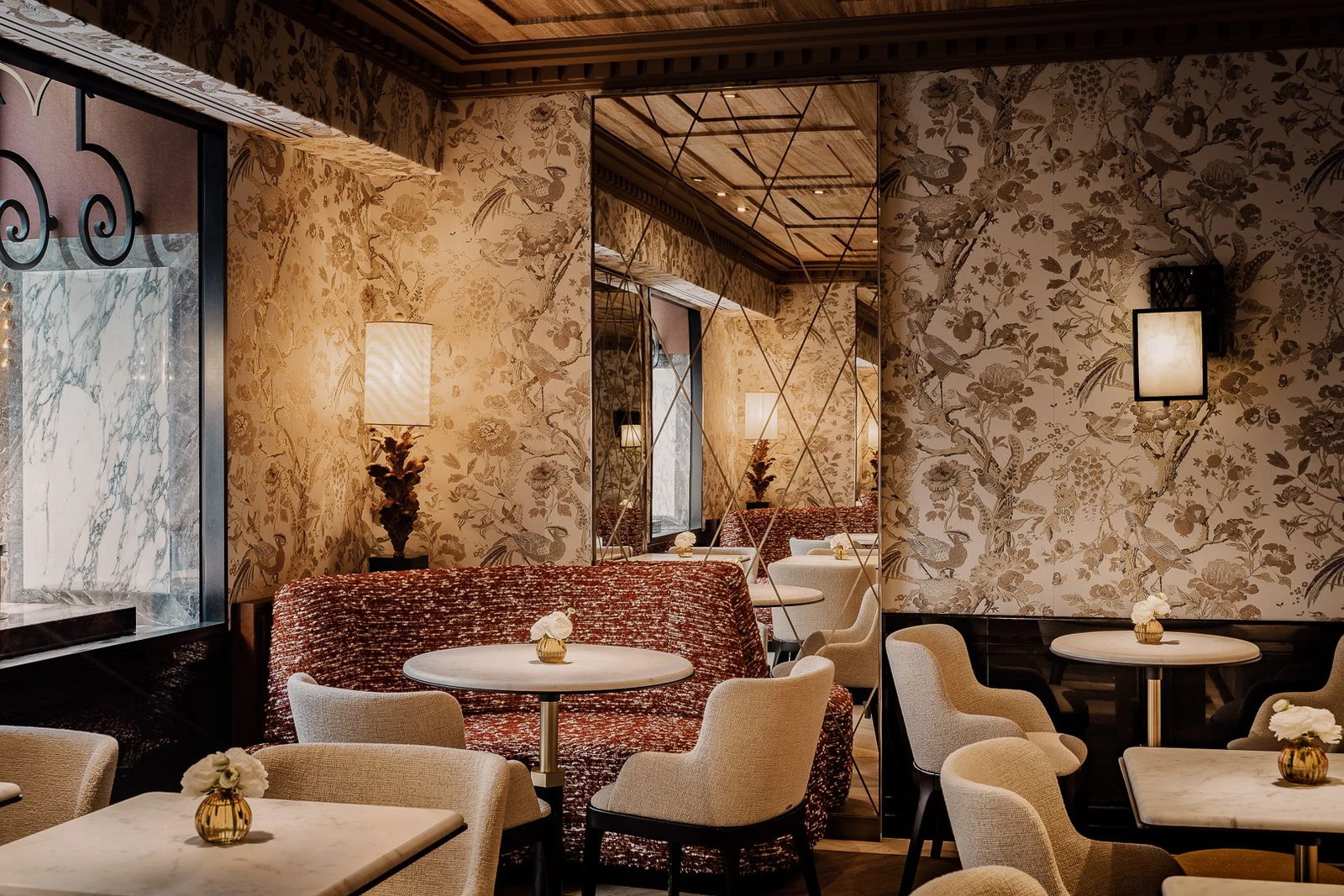
The Bonaparte location is best understood as a retail pâtisserie counter, not as a neighborhood boulangerie or full-service café. The official product universe names macarons, chocolats, pâtisseries, cakes, nomades, pâtes à tartiner and glaces; it does not list baguettes, sourdough loaves, tartines, croissants or pains au chocolat for this boutique. That absence shapes the experience: the draw is choosing finished sweets from a polished display, not watching bread come out of an oven or sitting down for savory dishes. The Saint-Germain-des-Prés setting places the shop in a historic literary and artistic quarter, near the Musée d’Orsay and Saint-Sulpice metro on Line 4. Inside the brand language points toward luxury presentation, with “infinitely gourmet” creations arranged for purchase and takeaway. Ice cream and chilled sweets are part of the wider Pierre Hermé offer too, including Glace Akari with nepita and citron, and Glace Arya with pistachio ice cream, orange flower ice cream and torrefied pistachio pieces.
How to plan a visit
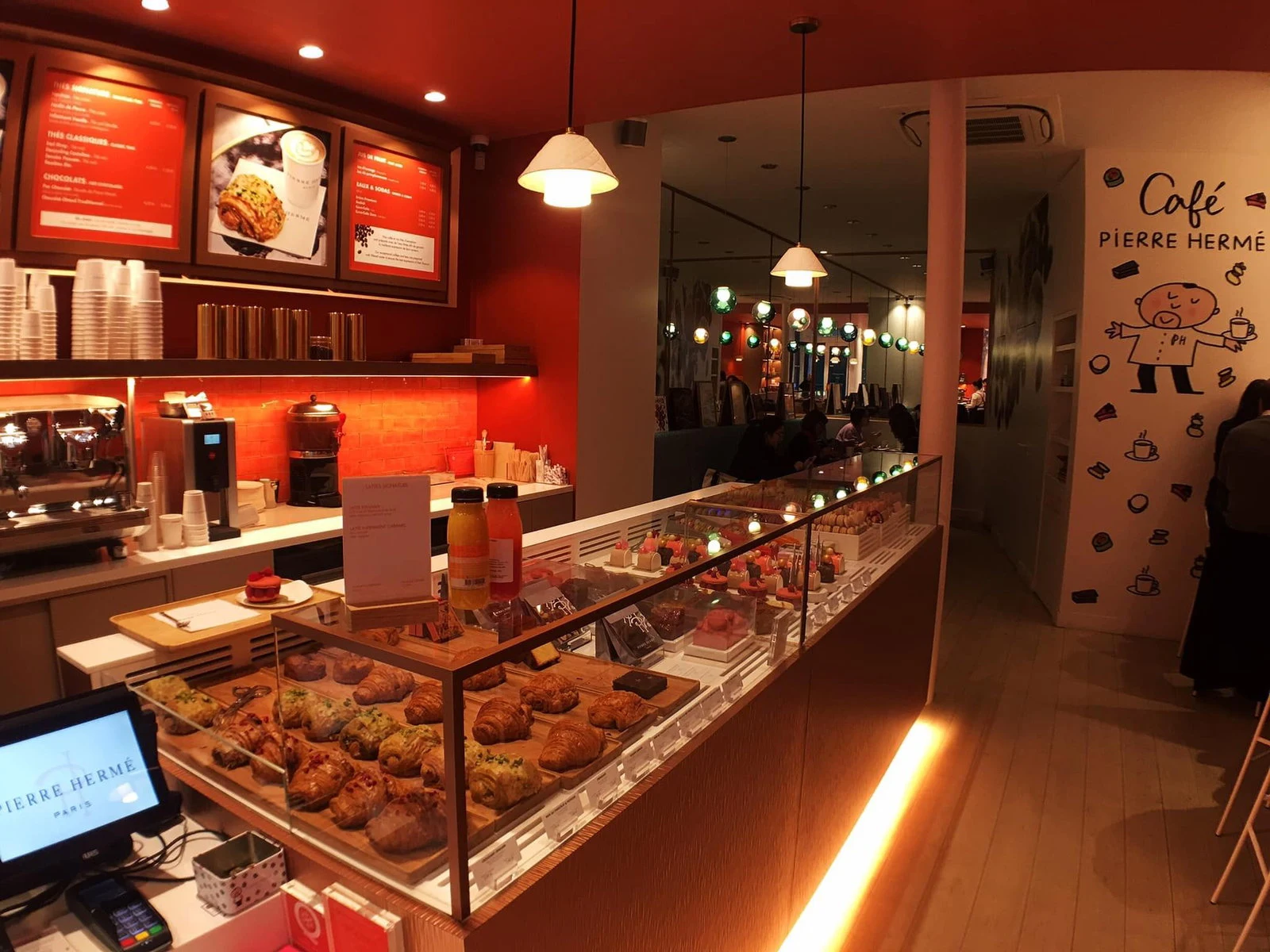
Plan for a boutique purchase rather than a seated café visit at 72 rue Bonaparte. The Bonaparte address is distinct from dedicated Café Pierre Hermé locations such as Odéon on boulevard Saint-Germain and Beaupassage on rue de Grenelle, where the brand links café and lunch services. At Bonaparte, the practical flow is to enter, browse the display of macarons, chocolates, pastries, cakes and ice creams, then purchase at the counter. The website also references “retrait en boutique,” so the shop functions for both walk-in selections and in-store pickup of online orders. For gifting or taking sweets onward, the composed macaron boxes are central, with 18 permanent or ephemeral flavors offered across six box formats. The brand’s logistics language, including Chronofresh and Chronofreeze for shipped orders, points to a controlled handling model for perishable products. Quality signals are specific rather than vague: pure cocoa butter is emphasized for chocolate, cocoa percentages appear on the Oursons Guimauve coatings, and seasonal innovation shows up through ephemeral macaron flavors rather than a changing bread board.
Frequently asked questions
What is Pierre Hermé known for?
Pierre Hermé is known as a high-end Paris patisserie boutique with elegant, refined displays of macarons, chocolates and pastries.
Compare nearby places
| Venue | Type | Area |
|---|---|---|
| Maison Fleuret Paris | Bakery | Saint-Germain-des-Prés |
| Christophe Michalak | Bakery | Saint-Germain-des-Prés |
| Méert | Bakery | Le Marais |
| Carette | Bakery | Trocadéro |
| Café Pierre Hermé | Bakery | 7th arrondissement |