Why go
Castella carries the whole counter
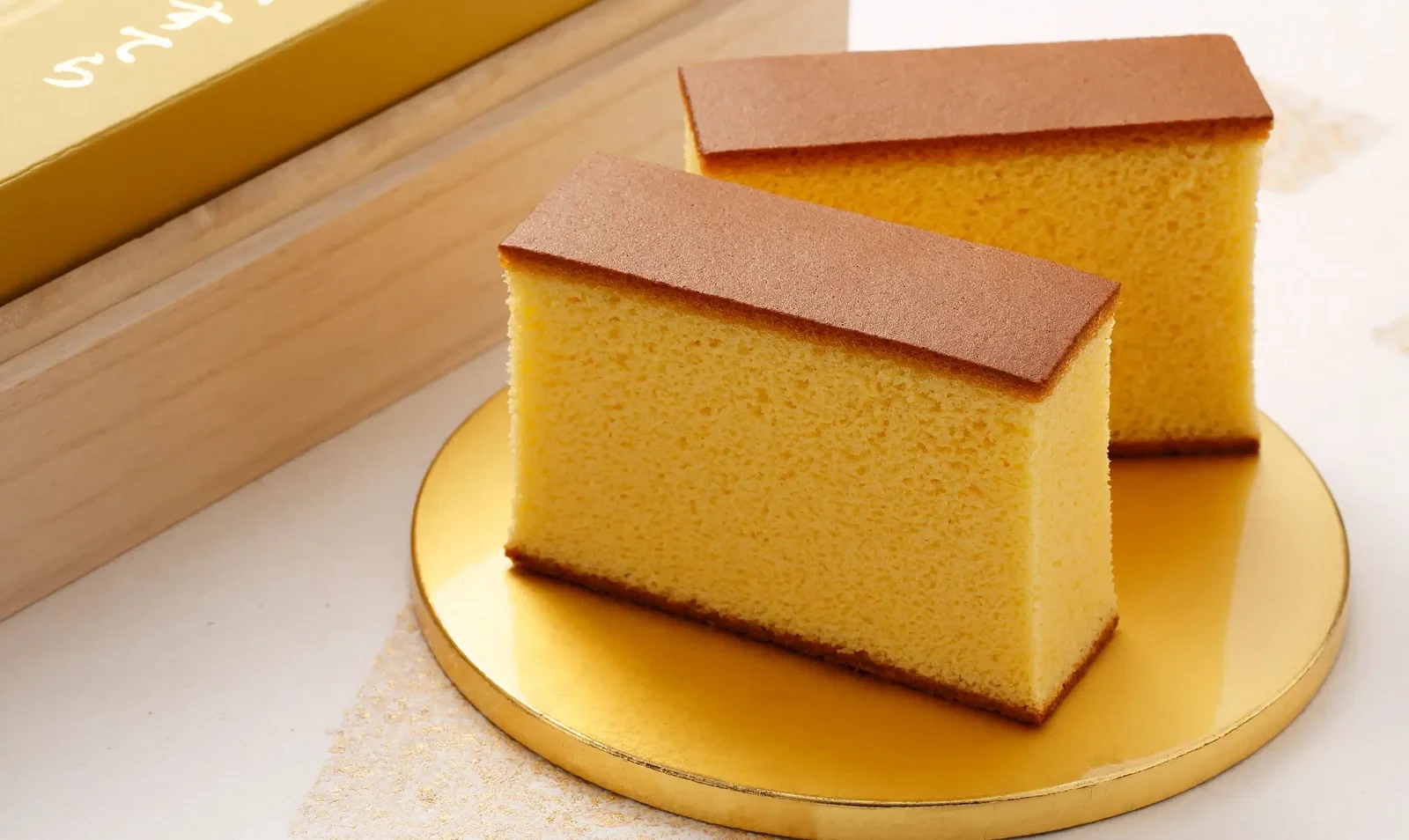
Castella is the argument here, and everything else arranges itself around it. Bunmeidou Sakan Ru Cafe is the café and tea-room side of Yokohama Bunmeido, a confectionery house whose standing rests on a sponge cake rather than on a kitchen. The headline is the Gokujō Kin castella, the best seller, baked with close to twice the usual quantity of egg yolks; the extra yolk is what gives it the moist, dense, almost buttery weight, and the effect comes from proportion and oven control rather than novelty. A second premium version is hand-baked in limited numbers with zarame sugar left coarse at the base, made for gifts and occasions. Around those sit emoji castella, castella rolls, seasonal sweets and boxed assortments, plus Mikasayama, the dorayaki-style confection filled with Hokkaido azuki.
A retro kissaten in Isezakichō
The room is a quiet, set-back place to sit, dressed to evoke bunmei kaika, the Meiji-era opening that reshaped Japanese urban life. The reference places the café closer to a nostalgic tea room than to a modern espresso bar, and the pace follows: calm, product-led, unhurried, with no theatre at the table. Bunmeido began in Nagasaki in 1900 and built its name on castella technique before expanding to Yokohama, where the main store stands in Isezakichō. A visit is a hybrid of shop and café. Guests pass cakes, boxed assortments, seasonal sweets and gift items on the way in, then sit with a cup and something from the same range.
Order the castella first
Take the Gokujō Kin castella on a first visit. It is the most direct statement of the house technique, extra egg yolks and all, and it shows why the name has held its position for more than a century. The hand-baked zarame version is the more ceremonial choice, better suited to a gift than to a solo afternoon. Mikasayama is the natural second order, especially for anyone who wants the bean side of Japanese confectionery rather than more sponge, while castella rolls and emoji castella carry the same idea into smaller, easier formats. Seasonal sweets add the changing element across the year, and the gift sets are how much of Yokohama uses the shop, for family occasions and for something to carry home from the city. Read the place as a castella house with a tea room attached.
Tags
Frequently asked questions
What should I order at Bunmeidou Sakan Ru Cafe?
The Gokujō Kin castella, the house best seller, baked with close to twice the usual quantity of egg yolks for a moist, dense crumb. Mikasayama, the dorayaki-style confection filled with Hokkaido azuki, is the natural second order, and castella rolls or seasonal sweets suit a smaller, lighter visit to the tea room.
What is the café itself like?
Quiet and deliberately retro, dressed to evoke bunmei kaika, the Meiji-era opening that reshaped Japanese city life. It reads as a nostalgic tea room rather than a modern espresso bar, and the pace is calm and product-led. Guests pass the cakes and the gift boxes on the way to a seat.
Compare nearby places
| Venue | Type | Area |
|---|---|---|
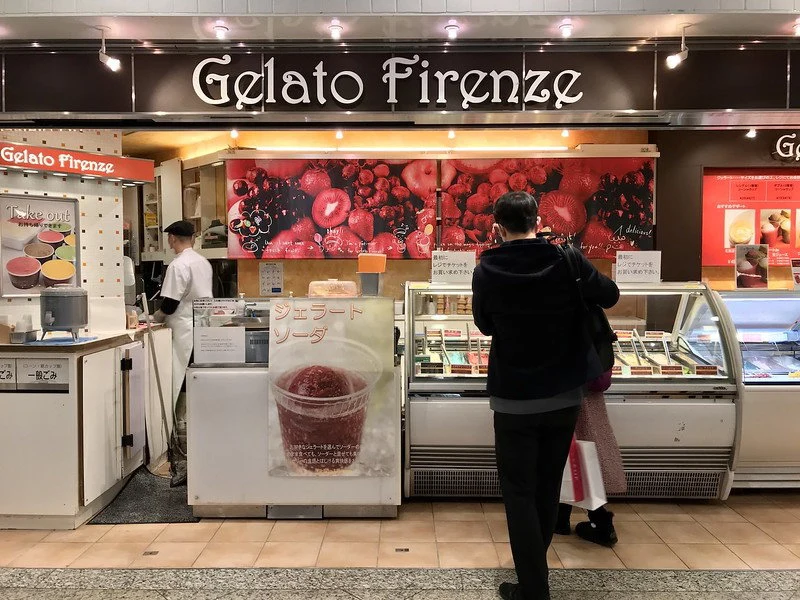
| Gelato Firenze | Café | Minato Mirai |
| Patisserie Les Bien Aime | Bakery | Naka-ku / Ishikawacho |
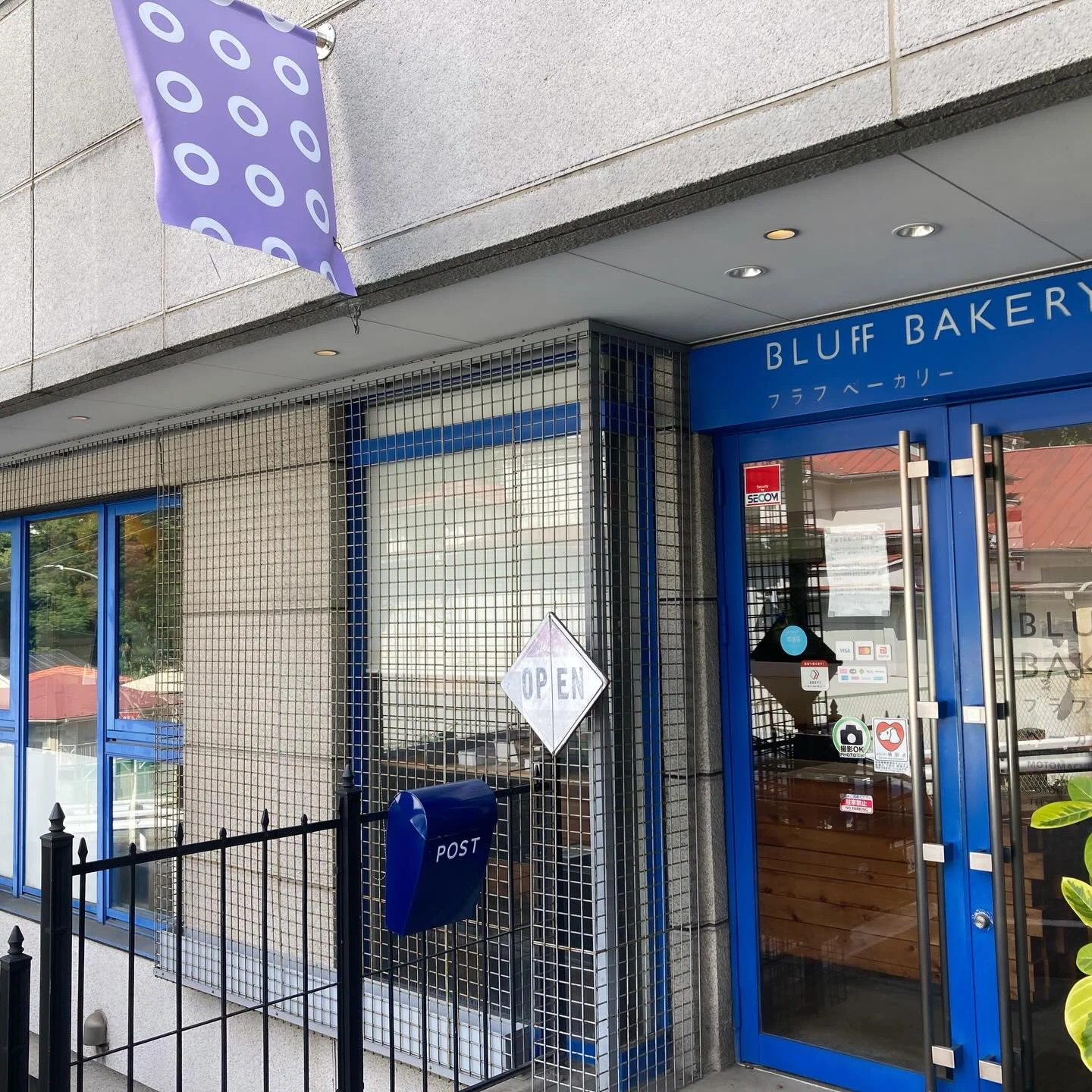
| BLUFF BAKERY Motomachi honten | Bakery | Motomachi |
| TOAST neighborhood bakery | Bakery | Naka-ku |
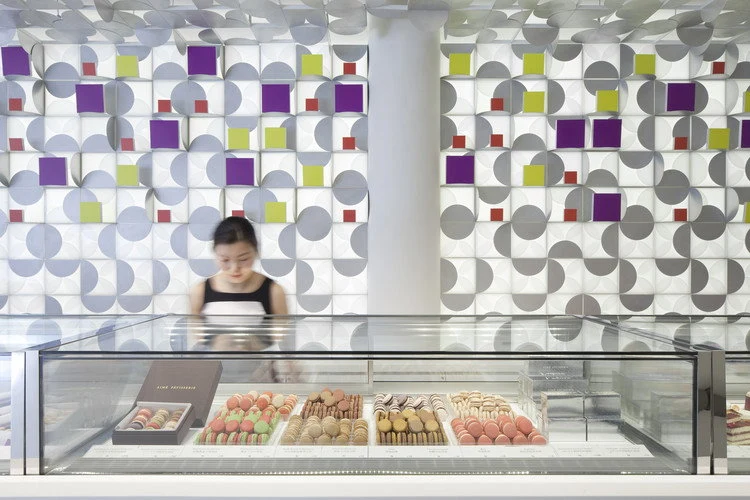
| ECHIRE PATISSERIE AU BEURRE Yokohama takashimaya ten | Bakery | Nishi-ku |