Makkari-mura

Boulangerie Jin

Bakery
Boulangerie Jin

Why go

Where Alpine Appetite Meets French Baking Tradition

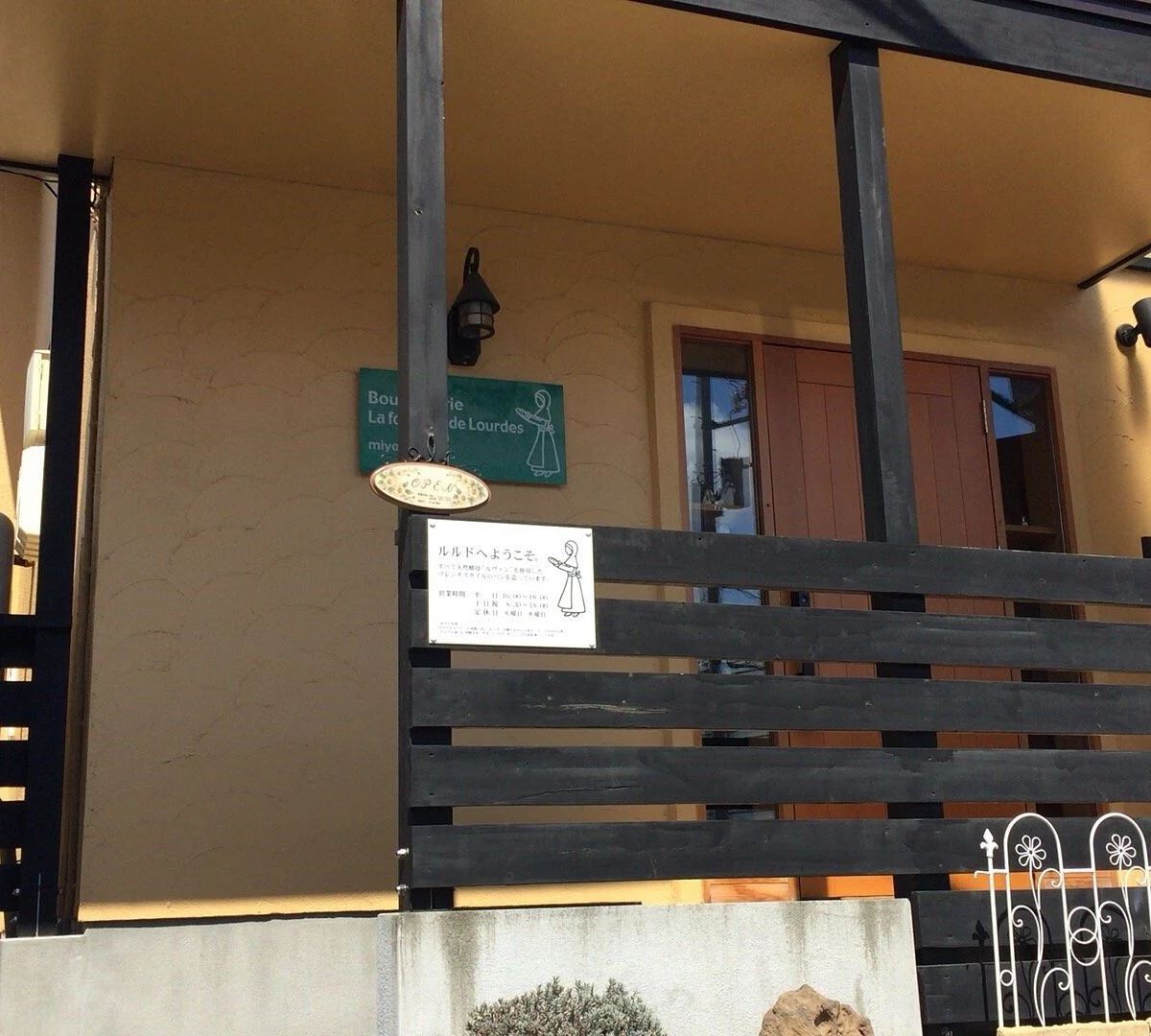
Niseko sits in an unusual position among Japan's resort towns. Built around some of the most consistent snowfall in the northern hemisphere, it has also accumulated, over the past two decades, a dining and hospitality infrastructure that would not look out of place in a European ski destination. Australian, Singaporean, and Hong Kong visitors arrived first for the powder; restaurants, wine bars, and bakeries followed to meet tastes that had no intention of simplifying at altitude. Boulangerie Jin is a French bakery in Niseko, Hokkaido, and it fits a town where cold mornings and heavy boots create a particular kind of appetite.

The French boulangerie format has a clear logic in this context. Hokkaido is Japan's primary grain-producing region, and its dairy industry, concentrated in the island's interior plains, supplies butter, cream, and milk that rank among the country's most prized. French bread-making, which depends heavily on fat quality and flour character, finds unusually good raw materials here. That combination of European technique and Hokkaido-sourced ingredients is not unique to Jin, but it is the regional argument that makes this type of bakery coherent rather than arbitrary.

The Cultural Logic of a Boulangerie in Niseko

Japan's relationship with French baking goes back further than most visitors assume. The country began serious engagement with pain de campagne, baguettes, and viennoiserie in the 1970s, and by the 1990s Tokyo had developed a baker culture rigorous enough to attract attention from French professionals. What emerged was not imitation but reinterpretation: Japanese bakers applied the same precision and ingredient sensitivity that characterises their approach to sushi or ramen, producing bread that often exceeds French originals on consistency if not always on crust character.

Niseko, as a resort with a disproportionately international visitor profile, creates demand for that kind of baking in a context where it might otherwise be absent. Ski towns in Japan have historically served simpler breakfast formats, but Niseko's evolution means that morning pastries and proper loaves have become part of the resort's standard offering. A boulangerie here is less a novelty than a response to what the visitor mix requires. Venues like Rakuichi illustrate the broader pattern: Niseko's dining has grown specific and considered, not merely convenient.

Baking as Craft in a High-Demand Resort Context

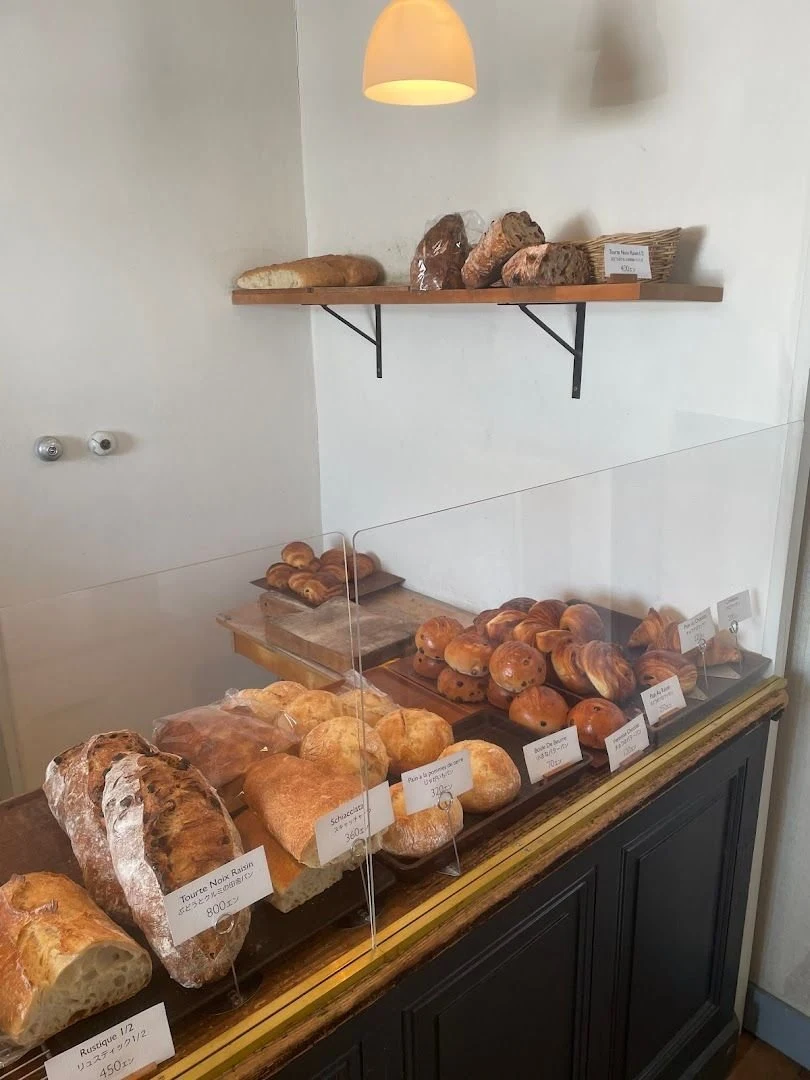
The challenge for any serious bakery in a ski resort is timing. Morning demand is compressed into a narrow window before lifts open, and afternoon traffic follows snow conditions rather than any predictable rhythm. Bakeries that operate at this level typically open early and sell through their production rather than holding stock, which means the window for croissants at peak condition is genuinely short. This is standard practice in French boulangerie culture, where freshness is structural rather than aspirational, but it creates logistical pressure in a resort setting where guests are moving in and out of town on short schedules.

Japan's broader dining culture reinforces this kind of discipline. Across categories, from the omakase counters of Tokyo to the kaiseki rooms of Kyoto, the principle that quality requires constraint on volume is well established. A bakery operating within that cultural frame, even in a ski town, is unlikely to compromise freshness for throughput. Visitors to Niseko who have moved through Japan's more recognised dining cities, from the haute French innovation of HAJIME in Osaka to the focused sushi of Harutaka in Tokyo or the refined kaiseki of Gion Sasaki in Kyoto, will recognise the same underlying discipline.

Hokkaido Ingredients and the French Baking Argument

The ingredient case for French baking in Hokkaido is worth dwelling on. Hokkaido accounts for roughly a quarter of Japan's total agricultural output, and its dairy products, particularly butter and fresh cream from the Tokachi and Furano regions, carry a fat content and flavour depth that French-trained bakers find directly applicable to croissant dough, brioche, and enriched loaves. Hokkaido wheat, while different in protein structure from French varieties, has been developed over decades by millers working specifically for artisan bakers. The result is a regional supply chain that supports European baking techniques more naturally than any other part of Japan.

This is not a minor detail. The quality of a croissant is determined almost entirely by butter: its water content, fat percentage, and flavour. When those variables are strong, the lamination holds, the honeycomb opens correctly, and the exterior crisps without burning. Hokkaido butter meets those requirements in ways that make the island a logical home for serious viennoiserie, independent of any particular venue's approach.

Niseko in the Broader Japan Dining Frame

Niseko does not compete with Japan's major dining cities on depth or density of options. Tokyo, Osaka, Kyoto, Fukuoka, and Nara each carry fine-dining ecosystems that take years to map properly, with venues like akordu in Nara and Goh in Fukuoka representing the kind of focused, high-craft dining that defines those cities' reputations. Niseko's dining offer is narrower and more resort-specific, calibrated to a visitor who is spending most of their time on the mountain and wants quality without the formality of a kaiseki progression or a multi-hour tasting menu.

What Niseko does offer is a condensed, internationally minded selection where a serious bakery fills a real gap rather than competing in an overcrowded field. Beyond Hokkaido, Japan's regional dining diversity extends across venues like 一本杉川島製 in Nanao, 夕佳庵山乃 in Sapporo, 湖隣庄 in Takashima, and 庄羽屋 in Nishikawa Machi. That regional breadth is one of the reasons Japan rewards itinerary-level planning rather than spontaneous discovery. Elsewhere across Japan's wider dining picture, Birdland in Sakai, Bistro Ange in Toyohashi, Blue Ocean Steak in Nakagami District, bodai, and Cafe Naoshima Konichiwa in Naoshima each reflect how craft and specificity have spread well beyond the major metropolitan centres.

Planning a Visit

Niseko's primary season runs December through March, when snowfall is at its peak and resort infrastructure operates at full capacity. A bakery in this context will follow resort rhythms: early morning openings, high pre-lift demand, and a likely sell-through of key items before midday. Visitors travelling specifically for Boulangerie Jin should plan for morning visits, ideally before 9am, to access pastries at their leading. The town of Niseko is accessible from Sapporo by train or road in approximately two hours, and most accommodation clusters around the Hirafu and Kutchan areas where the resort's commercial strip is concentrated. Confirm hours and pricing before visiting.

Tags

Hidden GemRusticCozyScenicClassicSoloStandalone