Why go
A bake lab behind the pastry case
The counter at Bādolina Bakery & Cafe is organized around dough rather than a case of bought-in sweets. The house calls its kitchen a bake lab, and the phrase is literal: bread, babka, laminated pastry and celebration cakes are all worked on site, which is why the room reads as a production bakery with seats rather than a coffee stop that happens to sell pastry. It opened in Houston in June 2021 under Sof Hospitality Group, growing out of the bread service and custom cakes at Doris Metropolitan, and that lineage still shapes what lands in the case. The baking language is modern Middle Eastern and Israeli, which gives the bakery a clear identity in a city with no shortage of pastry counters, and the kitchen was named a James Beard Award semi-finalist in 2025.
The baked goods lead the visit
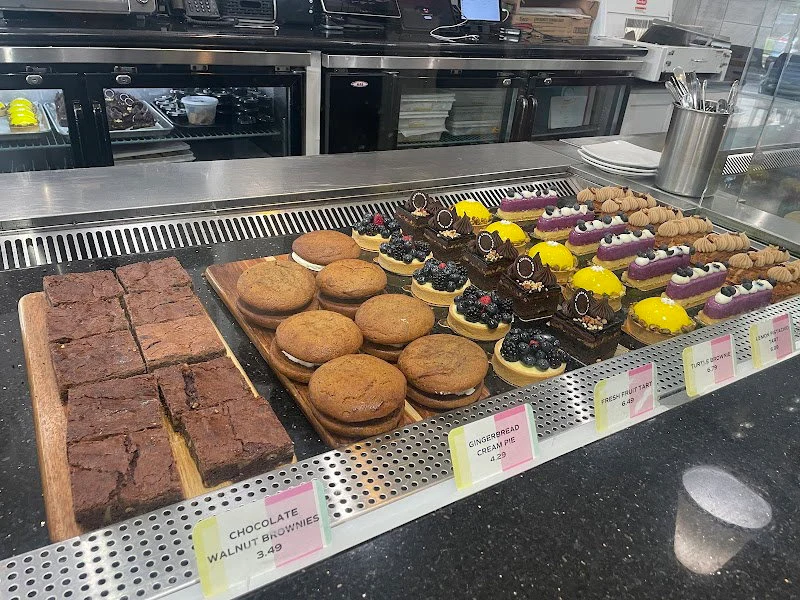
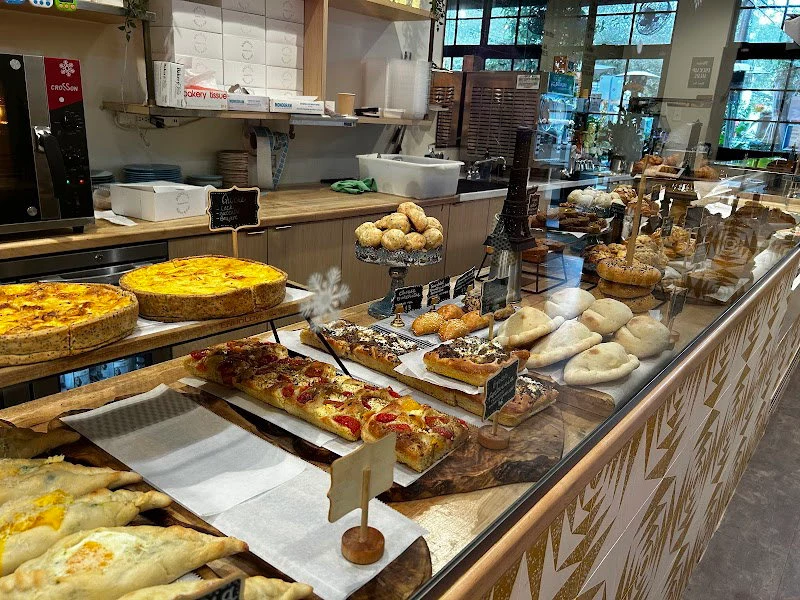
The menu is bakery-first: bread loaves, babkas, sweet pastries, savory pastries, desserts, custom cakes and the house signature coffee. That structure makes several different visits possible without turning the place into a restaurant. A loaf or a babka to carry home. A pastry and a coffee for a short stop. A savory pastry when the order needs more substance. A cake ordered ahead for a celebration. Within those categories the weight falls on layered pastry work, the dessert display and the breads that descend from the Doris Metropolitan bread service. Coffee sits alongside the baking rather than running as a separate bar program, so it works as a companion to the pastry rather than the reason to come.
Order the babka, then a savory bake
Babka is the first order. It is one of the named product lines and the clearest expression of the Middle Eastern and Israeli baking that defines the place, so it tells you quickly whether the rest of the case will suit you. Add a savory pastry next, which pulls the visit away from sweets and shows the kitchen handling filling and dough together. If the plan is to take the bakery home rather than treat it as a snack stop, a bread loaf is the better third move, and the dessert display or a special-order cake covers the occasions that need more than a counter visit. Let the baking set the pace and the place works in any of those registers.
Frequently asked questions
What should you order first at Bādolina Bakery?
Start with babka, one of the bakery's named product lines and the clearest expression of its modern Middle Eastern and Israeli baking. Follow it with a savory pastry to see the kitchen work beyond sweets, then add a bread loaf if you want to take the bakery home rather than eat on the spot.
Is Bādolina Bakery only a pastry counter?
No. The menu runs across bread loaves, babkas, sweet and savory pastries, desserts and custom cakes, so it works as a morning pastry stop, a bread bakery and a special-order cake shop at once. The kitchen, which the house calls a bake lab, is built for dough work rather than for reselling sweets made elsewhere.
Compare nearby places
| Venue | Type | Area |
|---|---|---|
| Common Bond Cafe & Bakery | Bakery | Medical Center |
| La Guadalupana bakery and cafe | Bakery | Montrose |
| Bagel Bob HTX | Bakery | Lazy Brook / Spring Branch |
| BlendIn Coffee Club | Café | Houston |
| Maven Coffee Co. | Café | River Oaks |