Why go
Yemeni coffee is the whole premise at Arwa Yemeni Coffee in Brookline's Coolidge Corner: beans from Yemen's Haraz region, roasted in house, and a drinks list that runs through Jubani, Mofawar and Qishr before it gets anywhere near a flat white. The Brookline shop belongs to a chain that started in Texas in late 2022 and built itself around Yemen's long place in coffee history.
Haraz beans and three house drinks
The sourcing is specific. Beans come from farms in the Haraz mountains, where terraced planting and elevation give the coffee its fruit, floral and chocolate character, and the cherries are dried in the sun in the traditional way. Roasting happens in house to a set profile, which is what keeps the cup consistent from one branch to the next.
The signatures follow from that. Jubani is a spiced coffee blend. Mofawar is a sweet medium roast infused with cardamom, cinnamon and ginger. Qishr is made from coffee husks rather than beans, which makes it lighter in caffeine and heavier in spice. Together they point the menu at Yemeni preparation rather than the usual latte, drip and cold brew shorthand.
A room built for sitting, not queueing
Arwa reads as a social room first. It was opened in Brookline as somewhere to meet in the evening without alcohol, aimed at students, young adults and anyone who wanted a seat that was not at a bar. The room is bright and holds 36 seats, and it runs late enough to work as a night-time alternative.
Coolidge Corner suits it. The neighbourhood already turns on independent shops, a cinema and international restaurants, and a Yemeni coffeehouse adds a specific tradition rather than another general café. Elsewhere the chain has leaned harder into the format, with courtyards and private jelsa rooms; Brookline keeps it simpler, and lets the counter, the seats and the drinks do the work.
Start with Mofawar
Mofawar is the easiest entry point, because the medium roast underneath is familiar and the cardamom, cinnamon and ginger sit on top of it rather than replacing it. Move to Jubani next for the spiced blend closest to the shop's core identity, and order Qishr when you want the husk drink instead of the bean: the same spice, much less caffeine, a lighter body. Pastries, snacks and flatbread-style pizza are there to eat alongside, but the drinks are the reason to come.
Tags
Frequently asked questions
What should you order at Arwa Yemeni Coffee?
Mofawar is the easiest entry point, a sweet medium roast infused with cardamom, cinnamon and ginger. Jubani, the spiced coffee blend, sits closer to the shop's core identity, and Qishr is made from coffee husks rather than beans, so it keeps the spice while dropping most of the caffeine.
What makes the coffee at Arwa different?
The beans come from farms in Yemen's Haraz region, where terraced planting and elevation give the coffee its fruit, floral and chocolate character. The cherries are sun dried in the traditional way, and roasting happens in house to a set profile, which is what keeps the cup consistent from one branch to the next.
Compare nearby places
| Venue | Type | Area |
|---|---|---|
| Newbery Street Coffee Roasters | Café | Brookline |
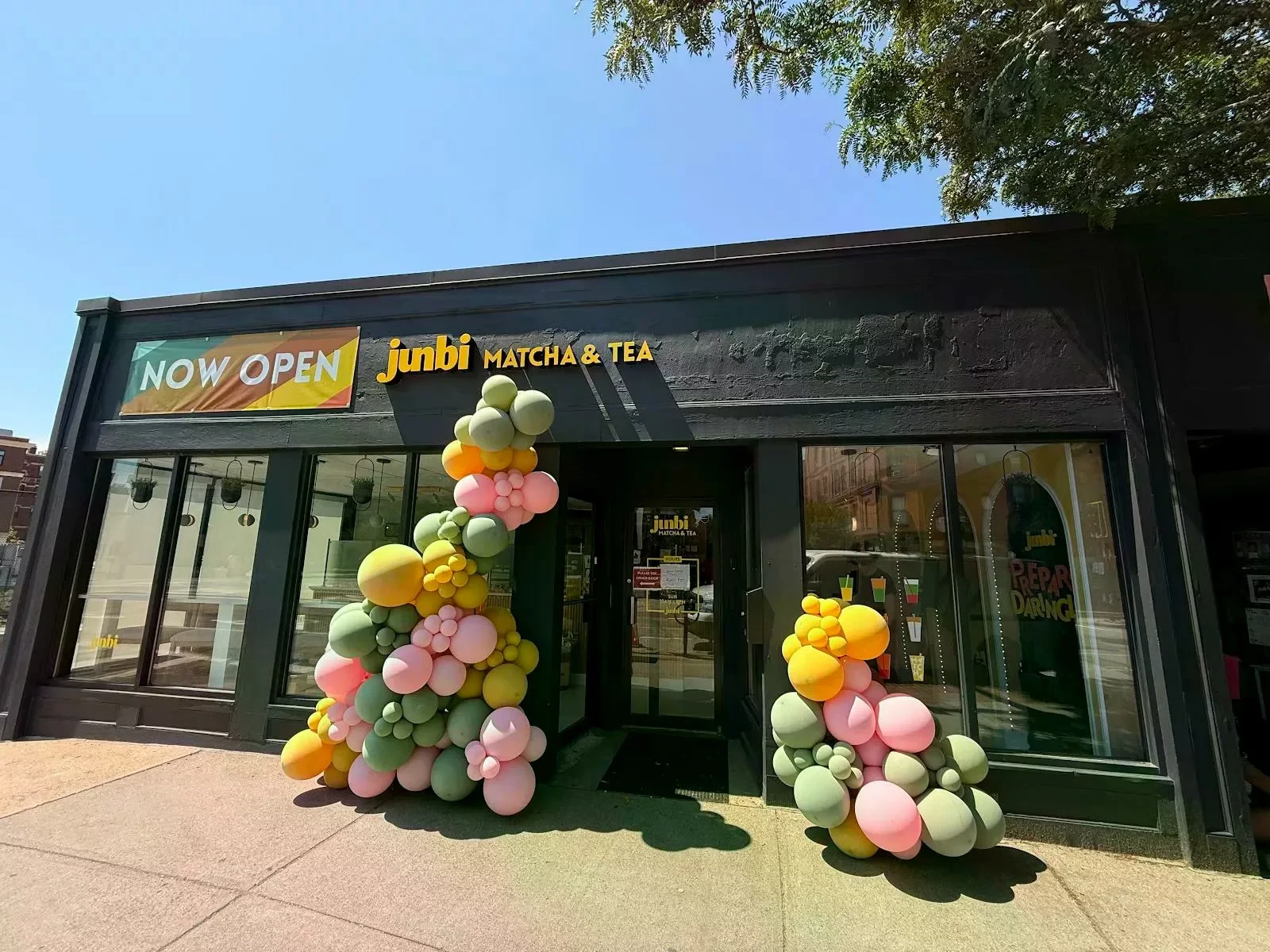
| Junbi Matcha & Tea | Café | Brookline Village |
| Arwa Yemeni Coffee | Café | Coolidge Corner |
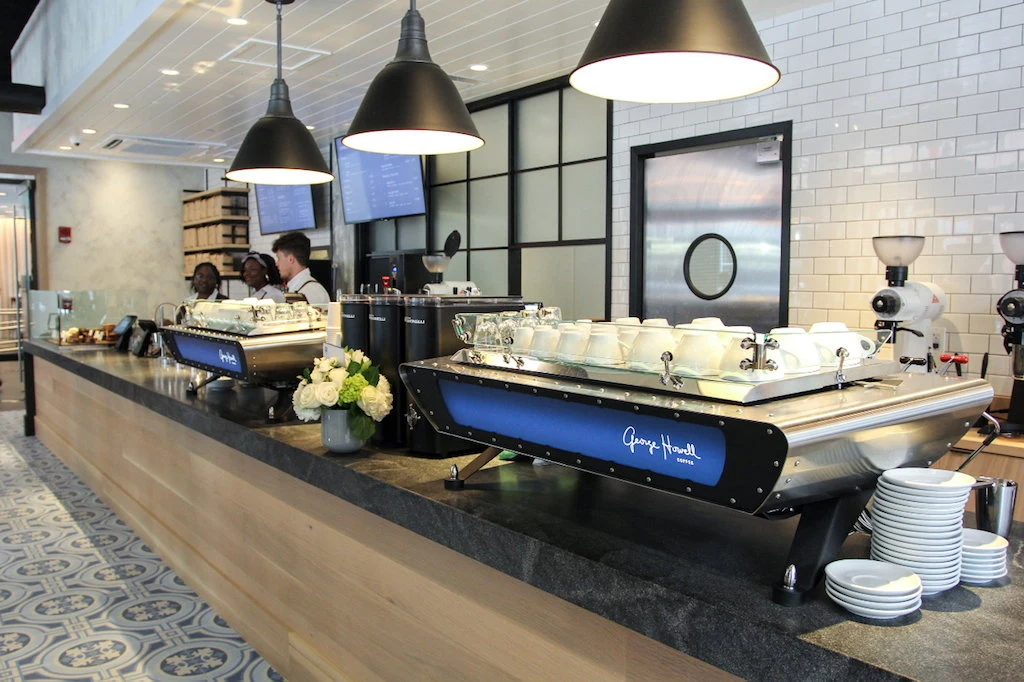
| George Howell Coffee | Café | Downtown Crossing |
| 1369 Coffee House | Café | Inman Square |