Why go
Mother yeast, hard wheat and a 1906 oven
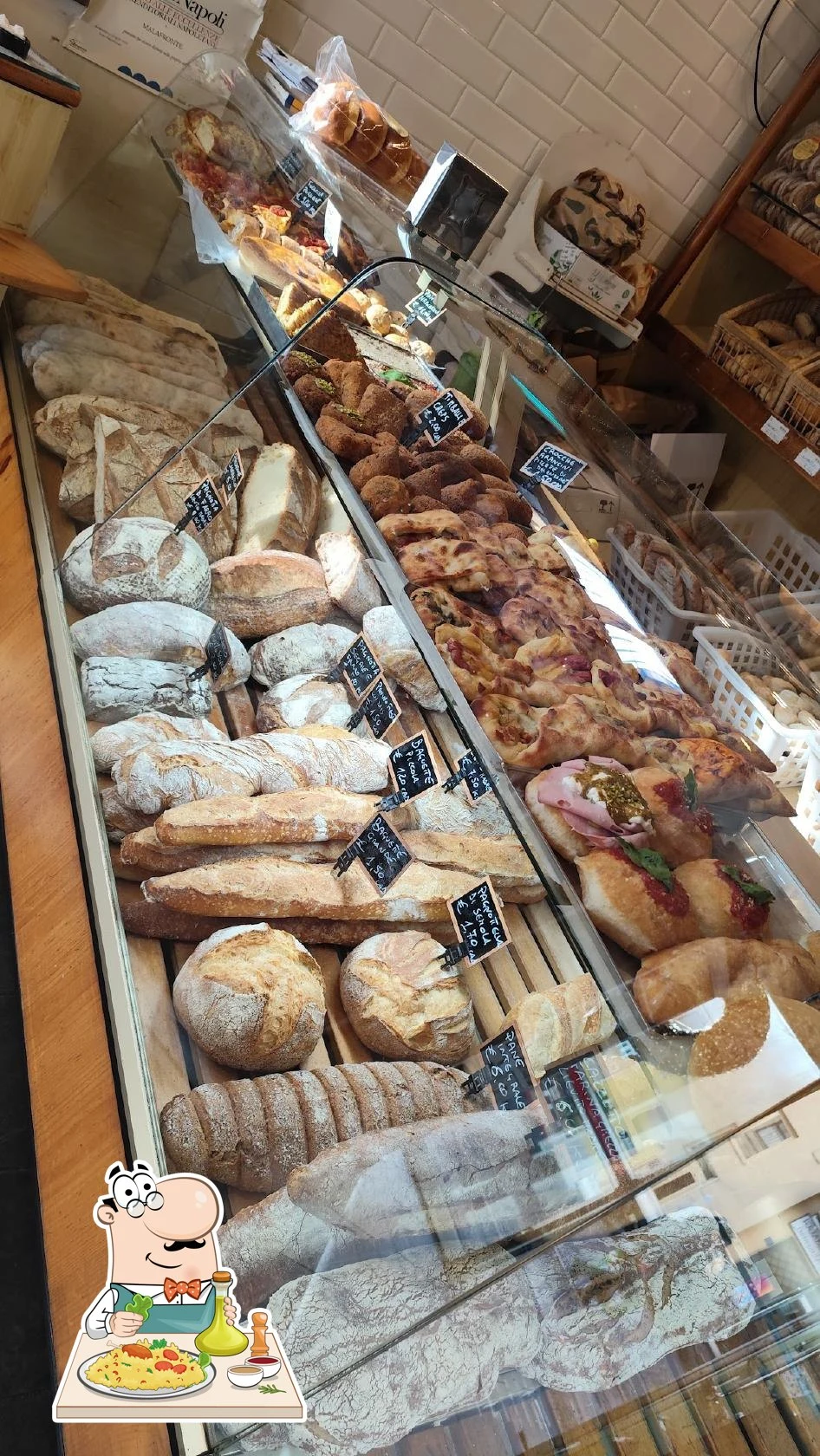
The loaf to know here is the Valeria: semola di grano duro raised on lievito madre, which ties the bread directly to the hard-wheat culture that made Gragnano’s name in pasta. Around it sit azimo bread, unleavened and older still, and a bread programme that has run from the same Gragnano oven since 1906.
The business is officially Panificio e Biscottificio Malafronte, a bread-and-biscuit house that has passed through generations of one family. The identity is entirely handmade: bread, breadsticks, crackers and biscuits, with mother yeast and Southern Italian grains at the centre and no restaurant menu attached. Gambero Rosso awarded it Tre Pani in 2026.
Breadsticks as a craft, not a side item
Grissini here are stretched by hand and treated as a category in their own right, running through cacio e pepe, olive, onion, sage, ancient grains and spelt. The same logic extends to crostine, artisanal crackers and biscotti, and out to panettone and colombe when the calendar calls for them. Pasta di Gragnano IGP sits alongside, the local product this town is known for beyond its ovens.
The place itself is a production bakery with a retail face rather than a room to sit in. The experience is an old working forno: bread, biscuits, breadsticks, crackers and packaged goods, all tied to baking happening on site. Its register is workshop rather than lounge, and a century of continuity has not made it a museum piece, because the doughs, grains and techniques are still being explained across the counter.
Start with the breads and breadsticks
Begin with the products that carry the house identity: mother-yeast breads and hand-stretched grissini. The Valeria is the key bread reference, and azimo bread shows the range beyond leavened loaves.
For breadsticks, go to the flavoured grissini rather than the plain crackers. Cacio e pepe, olive, onion, sage, spelt and ancient-grain versions each express the dry-baked craft differently, and the distance between them is the point. Then move into the savoury and seasonal programme: crostine and artisanal crackers sit next to the breadstick tradition, while panuozzo, pizza and tomato bread connect the bakery to Neapolitan savoury dough. For sweets, the names to remember are biscotti, panettone and colombe. The centre of it all stays where it has always been, which is bread, breadsticks and Gragnano continuity.
Frequently asked questions
What should I buy at Malafronte?
Start with the Valeria loaf, semola di grano duro raised on lievito madre, which is the bread that carries the house identity. Then take the hand-stretched grissini, choosing between cacio e pepe, olive, onion, sage, spelt and ancient grains, because the distance between them is the point.
What is the bread programme built on?
Mother yeast and Southern Italian grains, worked entirely by hand. Hard wheat semolina ties the bread to Gragnano’s pasta culture, azimo bread preserves an older unleavened strand, and the breadsticks, crackers and biscuits all come out of the same oven that has run since 1906.
Compare nearby places
| Venue | Type | Area |
|---|---|---|
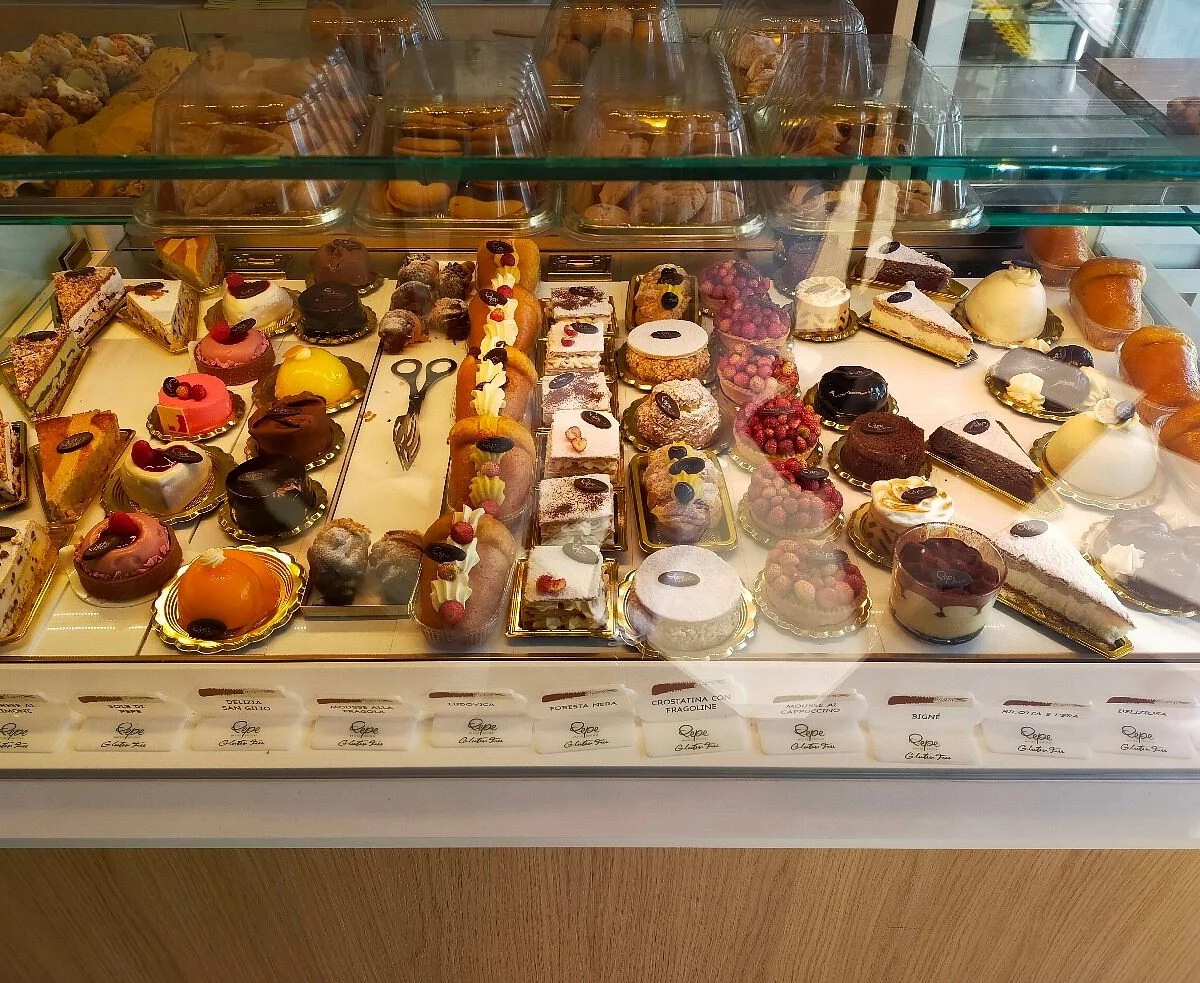
| Pepe Mastro Dolciere | Bakery | Via Nazionale |
| Pansa | Bakery | Amalfi historic center |
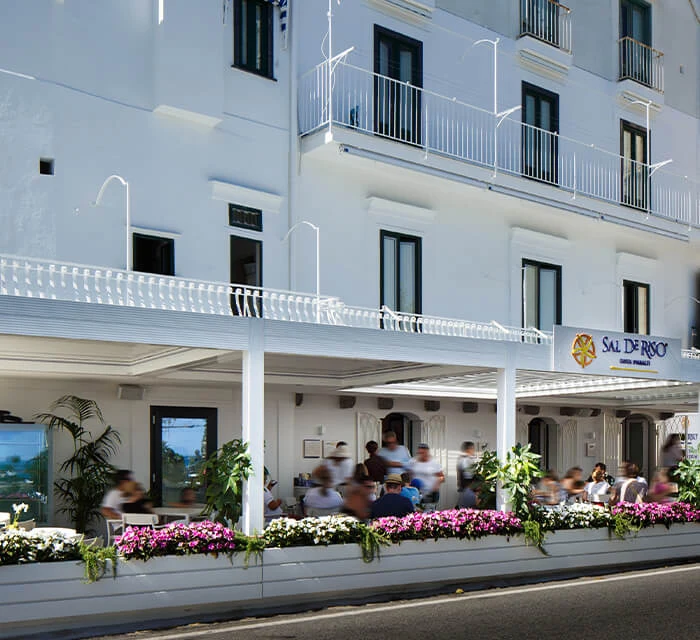
| Sal De Riso Costa d’Amalfi | Bakery | Minori |
| Pasquale Marigliano | Bakery | Nola |
| Foorn | Bakery | — |