Why go
Siphon coffee is the daytime act at Hi-Collar, a Japanese kissaten-style café in New York’s East Village, opened in 2013 as part of Bon Yagi’s long effort to bring Japanese food culture to the neighborhood. By day it is a Western-inspired Japanese café; by night it becomes Hi-Collar Bar, focused on sake. The name comes from ハイカラ, a Japanese term tied to Western-style fashion and modernity in early twentieth-century Japan, which is exactly the mix the room trades in.
Siphon coffee in a focused frame
The method is the point. A lower chamber heats water, an upper chamber holds the grounds; heat pushes the water up, and cooling draws it back through a filter, producing a clean, aromatic cup with a slightly sweet character. It is the café’s coffee identity and its strongest link to the postwar kissaten model of careful coffee, small dishes and quiet ritual.
The beverage programme does not chase modern café breadth: no long espresso list, no cold brew variations, no rotating single-origin pour-overs. It stays with traditional preparation, coffee and tea beside Japanese brunch dishes and desserts. Matcha and green tea hot cakes belong to the same daytime vocabulary, but the defining act is the siphon brew, visual and measured.
A café by day, a sake bar by night
Hi-Collar reads as an East Village cultural bridge rather than a generic casual stop. Bon Yagi, often called the East Village Ambassador for Japanese Cuisine, has shaped the neighborhood’s Japanese dining landscape since the 1980s; earlier projects include Rai Rai Ken, Curry-Ya and Otafuku, each a different expression of Japanese food culture. Hi-Collar extends that work into kissaten coffee, Japanese comfort food and, after café hours, sake-focused evenings that also take in Japanese whisky.
The daytime mood follows the kissaten idea: refined, nostalgic, made for coffee, tea, a light meal, reading and conversation at a slower pace than an American coffee shop. At night the same small room loosens into a more social sake setting, so one space carries two Japanese hospitality traditions across a single day.
Order the siphon coffee with omurice first
Start with the siphon coffee, because it explains the room before the food arrives. It places Hi-Collar in the kissaten lineage, where the brewing method matters as much as the cup, and it pairs naturally with the Japanese brunch and dessert menu.
For food, omurice is the essential savoury order: fried rice wrapped in a soft omelet, often finished with ketchup or demi-glace, and the dish the café is most associated with. Katsu, the fried pork or chicken cutlet, is the other named plate and the more substantial one. The fruit sandwich is the thing to add if the visit leans sweet, a retro kissaten staple of fruit and cream between soft white bread, and green tea hot cakes cover the same ground with a plate and a fork.
Keep the order focused: siphon coffee first, omurice as the anchor, katsu if a second savoury plate is wanted. Tea, matcha and desserts round out the day; sake and whisky belong to the night version of the same concept.
Tags
Frequently asked questions
What should you order at Hi-Collar?
Siphon coffee first, since the brewing method is the café’s identity, then omurice, the fried rice wrapped in a soft omelet that Hi-Collar is most associated with. Katsu is the heavier second plate, while the fruit sandwich and green tea hot cakes cover the sweet, retro kissaten side of the menu.
What is a kissaten, and how does Hi-Collar fit?
A kissaten is the postwar Japanese coffeehouse: careful brewing, light Western-inspired food and a quiet, unhurried room. Hi-Collar works in that lineage, with siphon coffee, tea and Japanese brunch dishes through the day. After café hours it changes character, reopening as Hi-Collar Bar with sake and Japanese whisky.
Compare nearby places
| Venue | Type | Area |
|---|---|---|
| Lê Phin | Café | East Village |
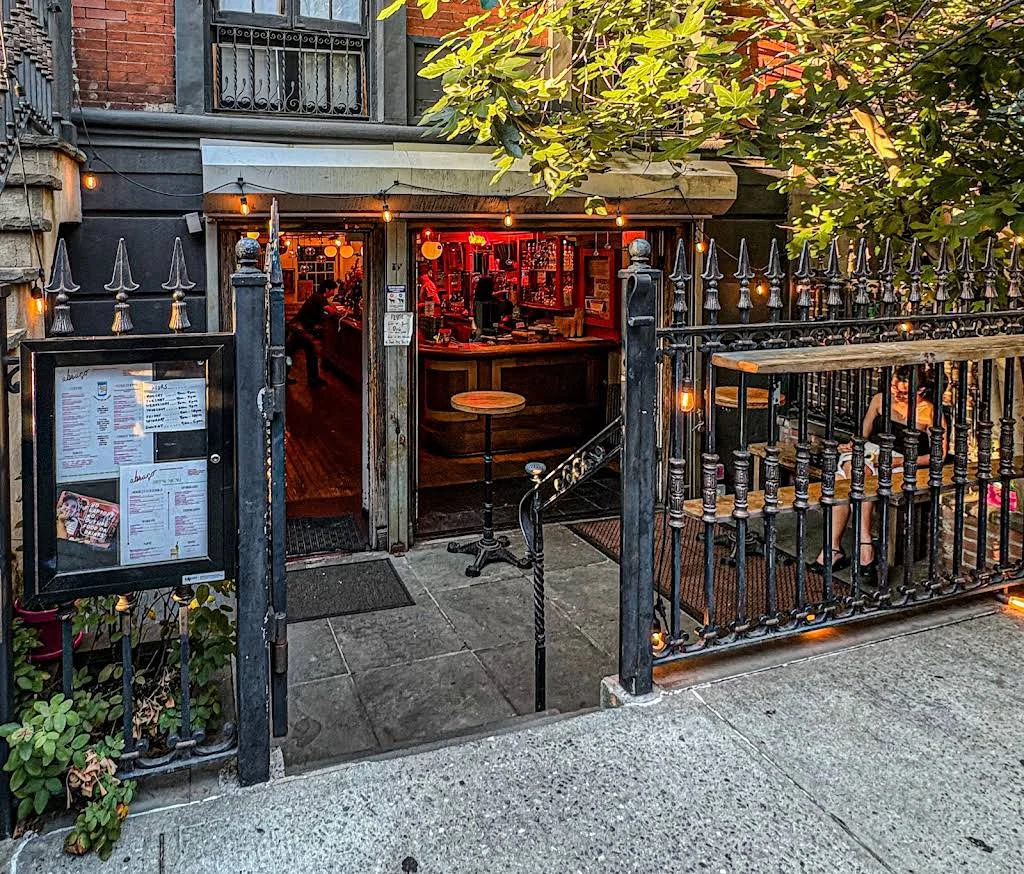
| Abraço | Café | East Village |
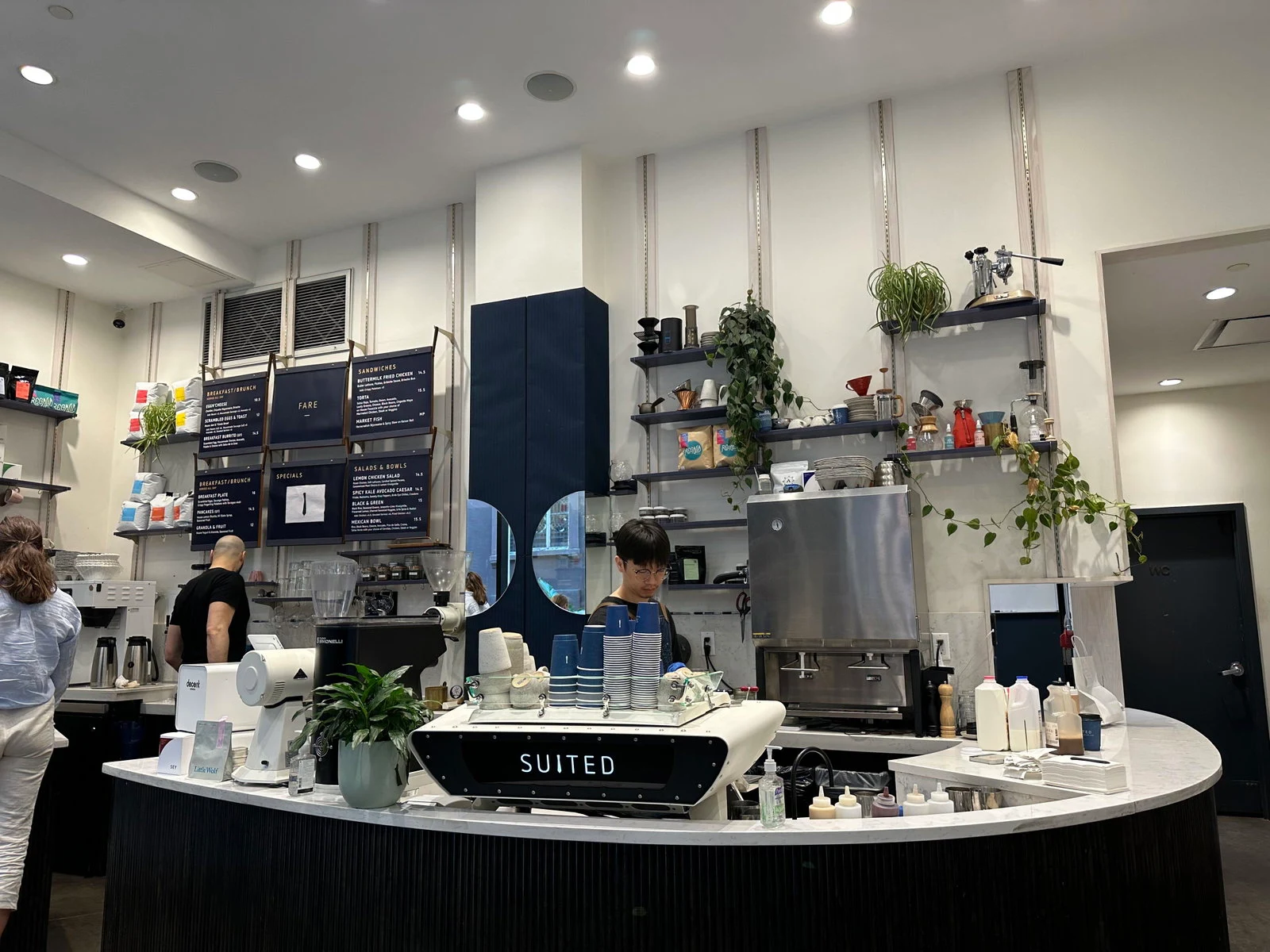
| Suited | Café | Financial District |
| Cholita | Café | Ridgewood |
| Qahwah House | Café | Williamsburg |