Why go
Bread, smoked fish and a warehouse room
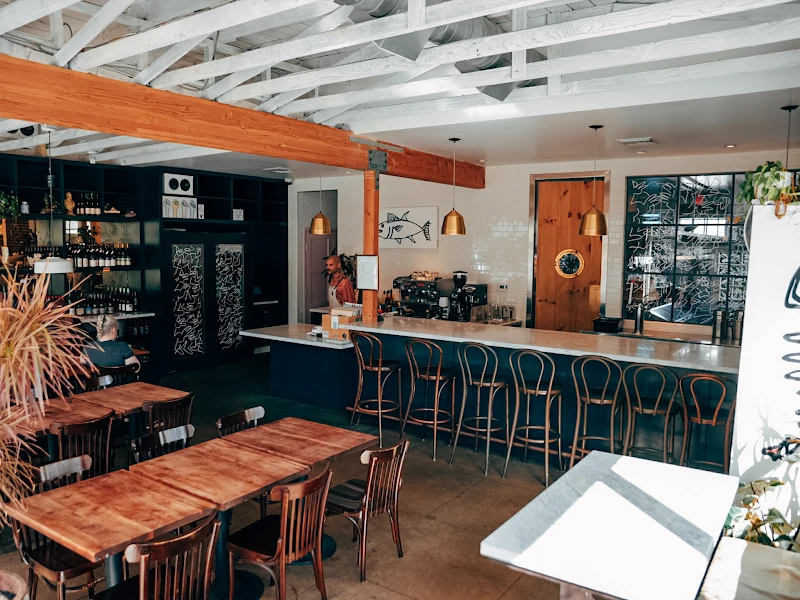
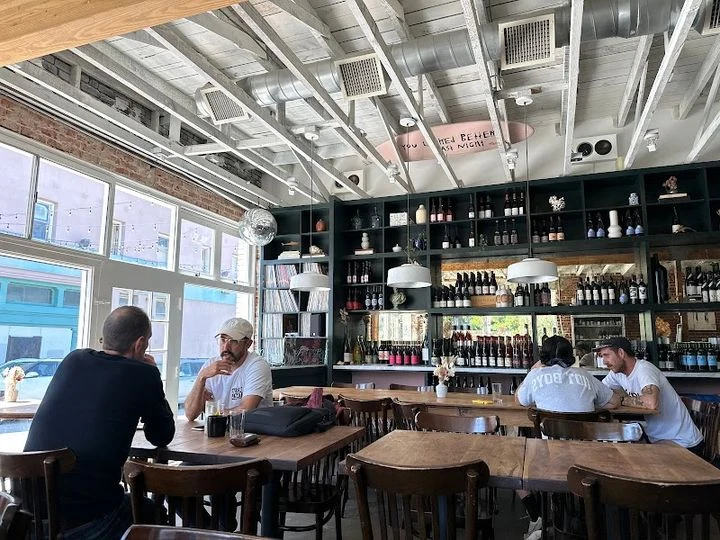
Walk in and the scale registers first: a big, warehouse-like room running all day, with the bakery at one end and a deli counter that reads as old-school rather than new. Breads come out through the day, and the case beside them holds smoked fish, roasted meats and salads. That combination is the whole proposition, and it explains why one visit can be a loaf and a coffee and the next a full tray of lunch.
The artisanal edge is in the detail rather than the presentation: breads baked through the day, smoked fish and roasted meats holding the case, and salads built to sit alongside both.
An all-day Venice room with a deli spine
Gjusta is a bakery-cafe first, but the deli side is not an afterthought. Smoked fish, roasted meats and salads carry equal weight at the counter, so the strongest way to read the place is as a single operation where baking and curing share the same rhythm and the same queue.
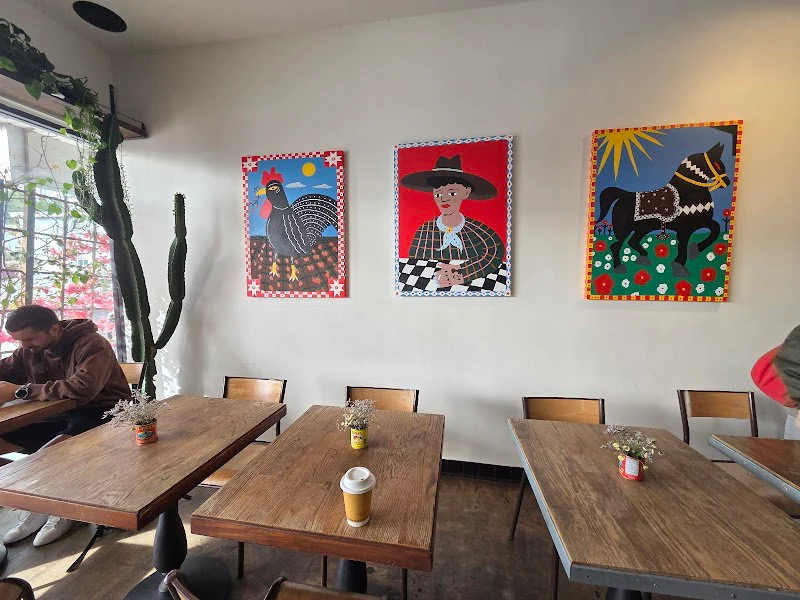
The mood is rustic and informal, lively in the way a busy counter is lively, and bohemian enough to sit naturally in Venice, California. Nothing about it is formal. There is no dining-room hush, no service ceremony, and no expectation that you stay longer than the food takes.
The scale changes how people use it. Some come for a loaf and leave, some fill a table with plates from the deli case, and the room absorbs both without shifting gear, which is a large part of why it has become one of the fixed points of eating in Venice.
Eater named Gjusta in its 2026 bakery guide, which fits a room people come to for bread as readily as for a plate.
Order the bread first, then build around it
Start with the breads. They are the clearest expression of what the ovens do and the anchor for everything else, whether you are taking a loaf away or using it as the base of a longer sit-down.
From there, work through the signatures: smoked fish for the sharpest, most characteristic bite, roasted meats if you want the substantial version of the meal, and salads to round it out. Ordering across both counters gives the truest picture, because the appeal is not one dish but the overlap of a bakery and a deli in the same lively room.
Frequently asked questions
What should I order at Gjusta?
Order bread first. The loaves are the anchor of the counter and the clearest expression of the bakery side, then build outward into the deli: smoked fish for the most characteristic bite, roasted meats for a fuller plate, and salads alongside. Ordering across both counters gives the truest picture of how the room works.
Is Gjusta a bakery or a deli?
Both, in the same room and at the same time. The bakery turns out breads through the day, while the deli counter carries smoked fish, roasted meats and salads. Neither side is a sideline, which is why Gjusta reads as an all-day operation rather than a bakery that happens to sell lunch.
Compare nearby places
| Venue | Type | Area |
|---|---|---|
| Paisita Cafe | Café | Venice |
| Hooked Venice | Café | Venice |
| Hooked Venice | Café | Venice |
| Fast Times | Café | Venice |
| Sweet July Café | Café | — |