Why go
Salt Based Coffee and a house roastery
Salt Based Coffee is the drink to know here, balancing sweetness against salt, and it sits in a list that also runs Espresso, Mazagran, Pokopi Biscoff and Bloody Gery. FOW Coffee is a Palembang specialty coffee café that roasts its own beans, established in June 2018 and now one of the longer-running names in a city where the coffee-shop scene is still growing. It appears under several names, FOW Reserve, FOW Reserve KI, FOW Specialty Coffee and Fow Roastery, but the programme is consistent: espresso-based drinks, manual brew and a wide range of high-quality beans. Mazagran is the refreshing end of the list, Pokopi Biscoff pairs coffee with Lotus Biscoff, and Bloody Gery is a smooth, bold coffee mocktail with a comfortable finish. Hot Chocolate and Kheyra's cover the non-coffee side.
Two floors, white walls and a rooftop
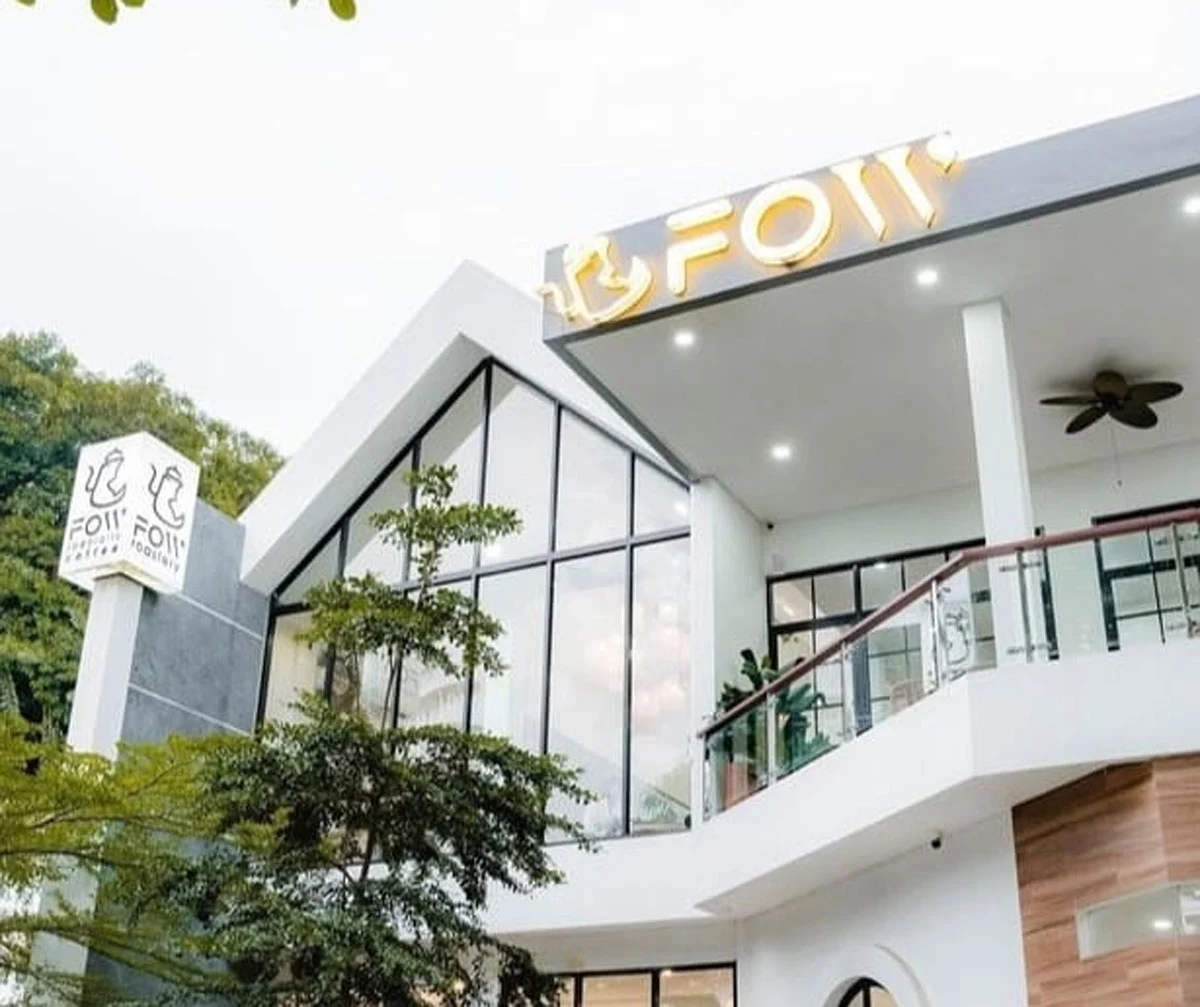
This is a destination café rather than a takeaway counter. The interior runs over two levels in a clean white concept, with a white, grey and cream palette, and there is indoor, outdoor and rooftop seating. It is stylish and comfortable in a way that suits long stays: calm, quiet, photo-friendly, and used across breakfast, lunch and dinner by students, families, solo diners with laptops, groups and visitors. Service is friendly and quick. The coffee signals are visible in the room too, with champion trophies on display, and guests single out espresso technique and milk pairing above everything else. Coffee is also served without added syrup sweeteners, which is a fair test of a specialty claim.
Start with Salt Based Coffee, then add dim sum
Salt Based Coffee first, since it is the drink most closely tied to this café. Espresso gives the most direct read on the house style, Mazagran shows the refreshing side, Pokopi Biscoff fits a sweeter coffee-and-biscuit direction, and Bloody Gery covers the mocktail programme. Food is not an afterthought. Dim Sum and Buttermilk Karaage Don are the two dishes guests name most, Chicken Roast with Truffle Sauce sits among the recommended savoury plates, and Matcha Tiramisu anchors dessert. For a compact first visit, pair Salt Based Coffee with Dim Sum. For a fuller meal, move to Buttermilk Karaage Don or the Chicken Roast, then finish with Matcha Tiramisu. That path shows what FOW is: a specialty coffee destination with enough of a kitchen for a proper meal.
Tags
Frequently asked questions
What should I order at FOW Coffee?
Salt Based Coffee, which balances sweetness against salt and is the drink most closely tied to this café. Espresso gives the most direct read on the roasting, Mazagran is the refreshing option and Bloody Gery the coffee mocktail. Pair the first drink with Dim Sum, then finish with Matcha Tiramisu.
Can I work or spend the afternoon there?
Yes. The café runs over two levels with indoor, outdoor and rooftop seating, a clean white, grey and cream palette, and a calm, quiet atmosphere that guests describe as laptop-friendly. It is used across breakfast, lunch and dinner by students, families, solo diners and groups, with service that stays friendly and quick.
Compare nearby places
| Venue | Type | Area |
|---|---|---|
| Anomali Coffee | Café | multiple Jakarta districts |
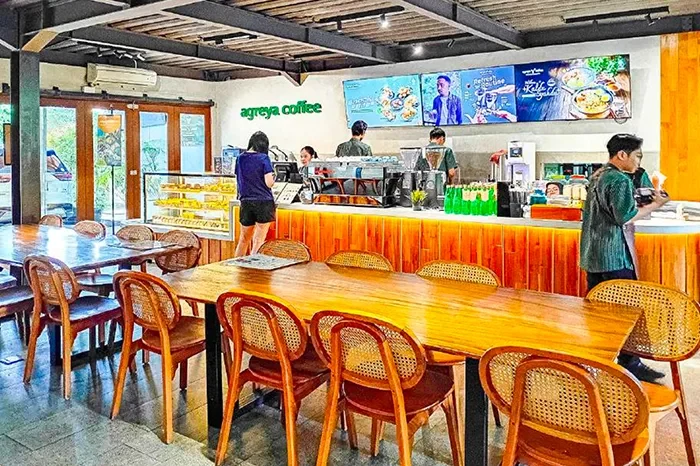
| Agreya Coffee Bogor | Café | Tanah Baru |
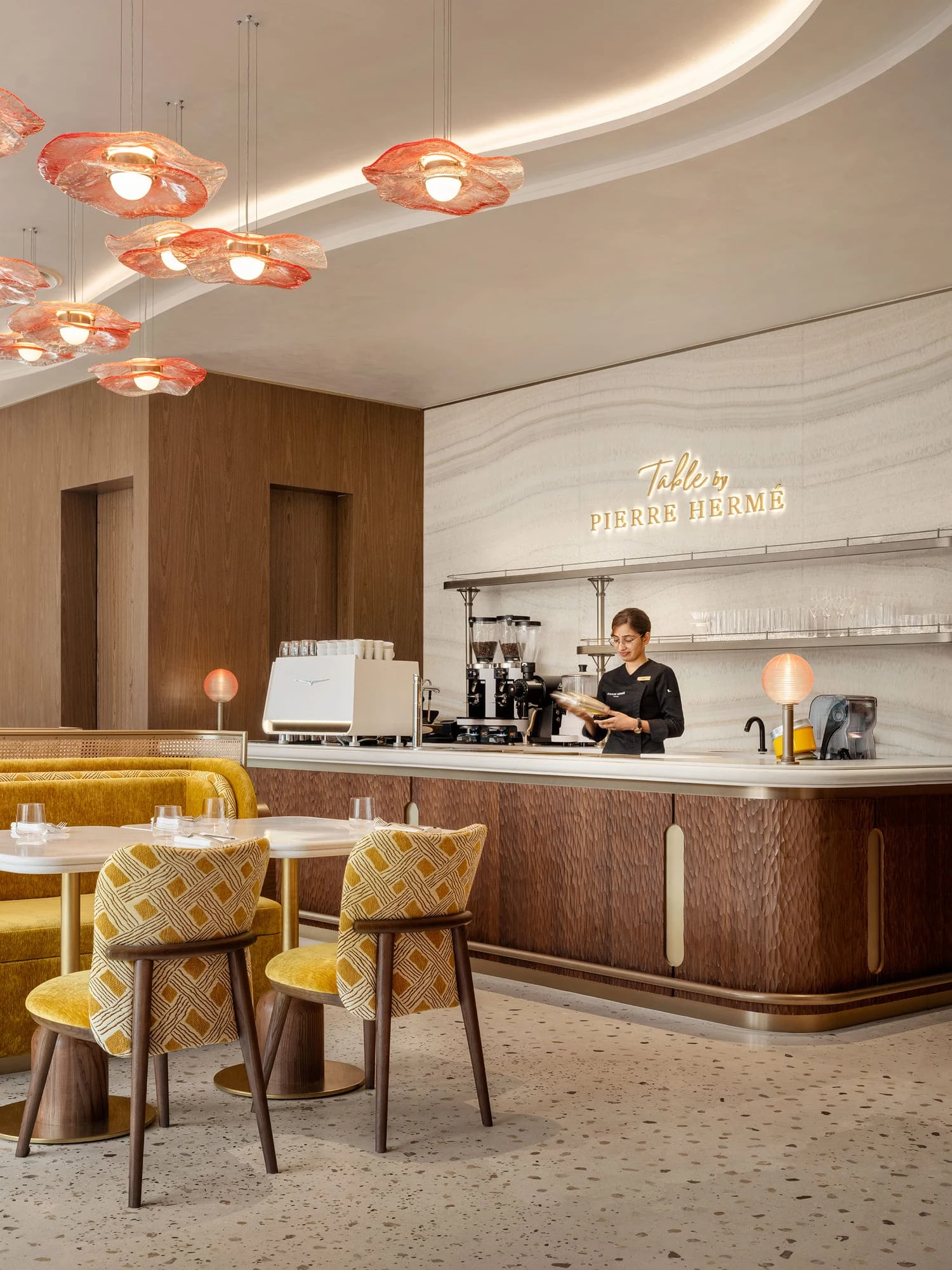
| Pierre Hermé Paris | Bakery | Sentosa |
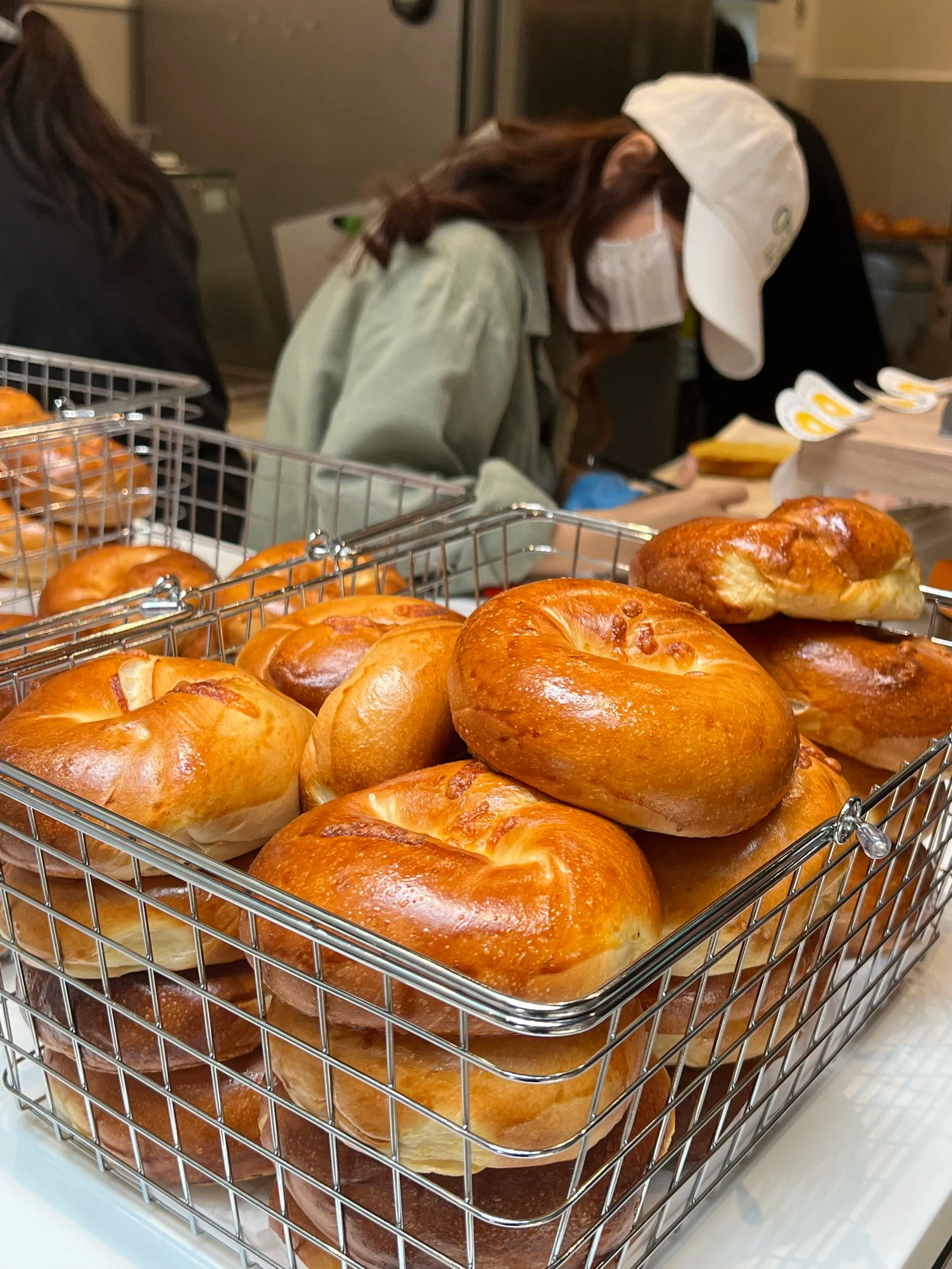
| Keen's Bagelry | Bakery | CBD |
| Beigelhaus | Award-Winning Halal-friendly Bagels + Coffee + Milkshakes + Macha | | Bakery | Robinson Road / CBD |