Why go
Light roasts from the Probat in the back
The roastery café in San Francisco works around light-roasted coffee, direct sourcing, and a 1957 German Probat visible from the room. That is the point of Four Barrel Coffee: the roast is not a separate warehouse story, it is part of the counter’s daily grammar. The house buys largely through long relationships with farmers and mill workers in Latin America, Indonesia, and East Africa, then roasts for cleanness, sweetness, acidity, and complexity rather than a dark, heavy finish. The café opened around 2008 and was built around human roasting rather than computer-driven profiles, with someone reading the batch instead of a screen. The pour-over bar gives that program its clearest form, with single-origin coffees brewed by hand and origins changing through the menu. Espresso has its own rhythm at the main counter, but the house’s character comes through fastest when the filter side is running.
The room keeps the roast in sight
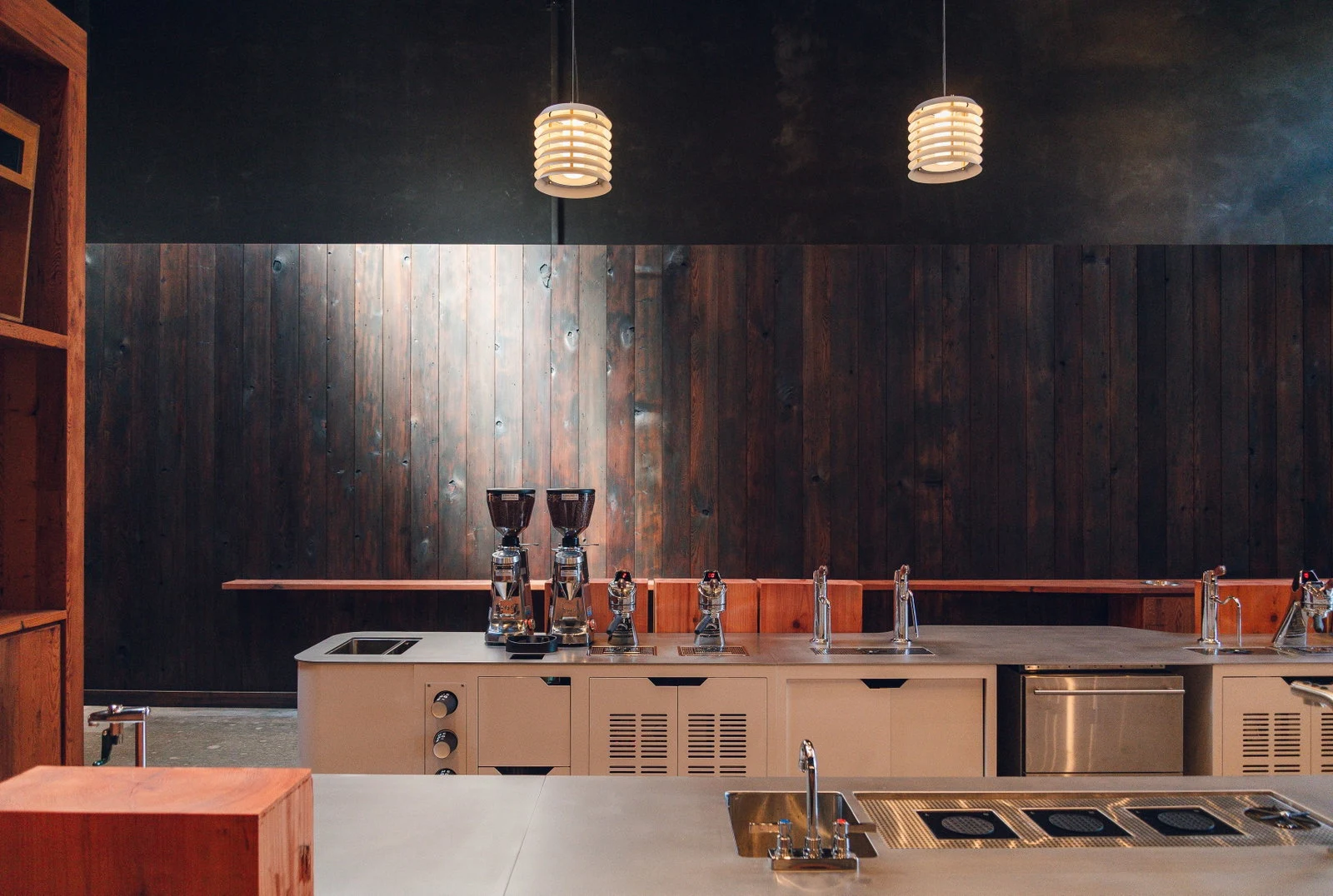
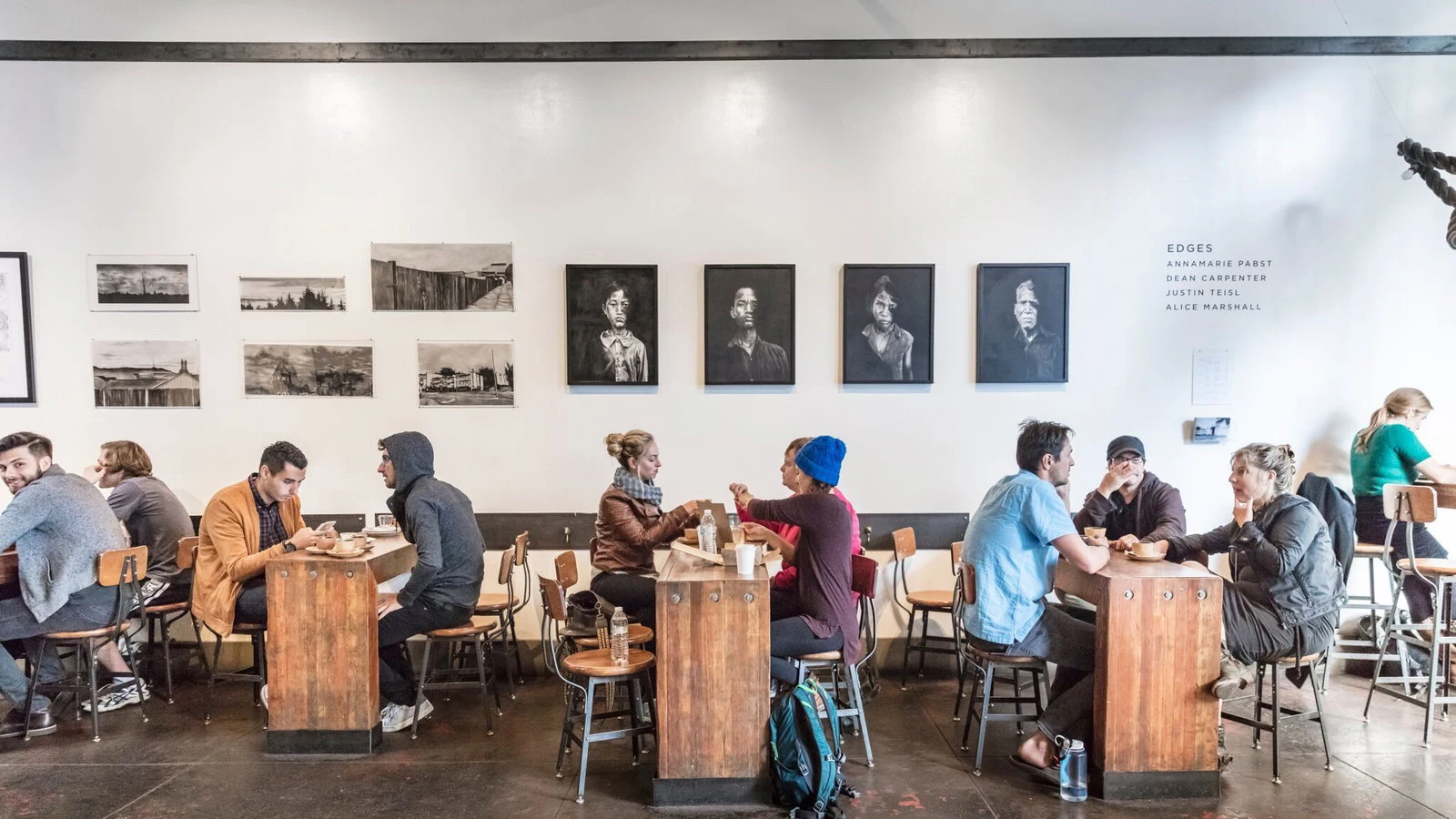
The room is large by San Francisco café standards, with high ceilings, street-facing glass, cement floors, rustic tables, and the roasting equipment set where regulars can see it working. The pour-over bar sits apart from the main espresso line, so the room has two tempos: quick pulls at the counter, slower hand-brewed cups at the side. Vinyl plays in the background, bikes stack into vertical racks, and the parklet gives a little extra spillover when the inside fills. It is a counter-service café, not a lingered-over dining room, though people do read, work, and sit with ceramic cups when seats open. The hour to come is the one when the roaster and bar are both awake, before the queue gets thick and before the case has been picked over. The visible Probat matters here; it turns the café from a retail front into a working roastery with coffee moving from green to cup in the same public room. Opinionated About Dining lists it as highly recommended among Cheap Eats in North America for 2026.
Start with the pour-over, then add something sweet
Order a single-origin pour-over first if the walk is about coffee rather than milk. The Ethiopian pour-over is the clearest example when it appears on the bar, floral and light-bodied in the house style, and it gives the roasters less cover than espresso. If milk is the call, the latte is the steady order, rounder and easier to carry out, but still tied to the roast rather than buried under it. For something cold and sweet, the affogato has a proper San Francisco pairing in Humphry Slocombe stout ice cream. The case has leaned on bakery partners over the years, including Dynamo Donuts, with maple-bacon donuts, spiced chocolate donuts, olive oil coffee cake, and blueberry pistachio croissants all part of the Four Barrel orbit. If there is a maple-bacon donut in the case, take it with filter. If not, stay with the pour-over and let the roast do the work.
Tags
Frequently asked questions
What should you order at Four Barrel Coffee?
Order a single-origin pour-over first if the visit is about coffee rather than milk; the Ethiopian is the clearest example of the house style when it is on the bar. If milk is the call, the latte is the steady order. For something cold and sweet, the affogato uses Humphry Slocombe stout ice cream.
Compare nearby places
| Venue | Type | Area |
|---|---|---|
| Hedge Coffee Roasters | Café | Mission District |
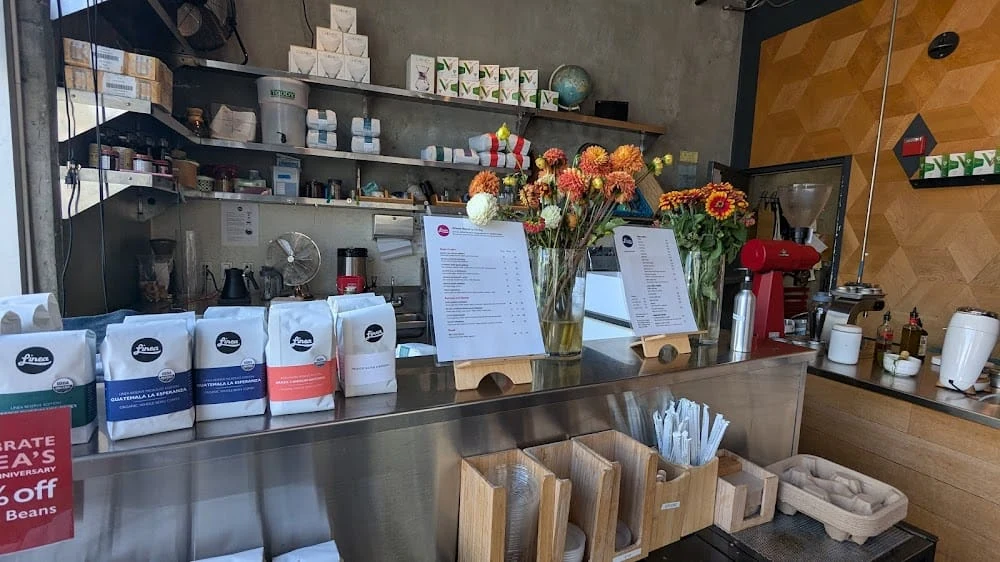
| Linea Caffe | Café | Mission District |
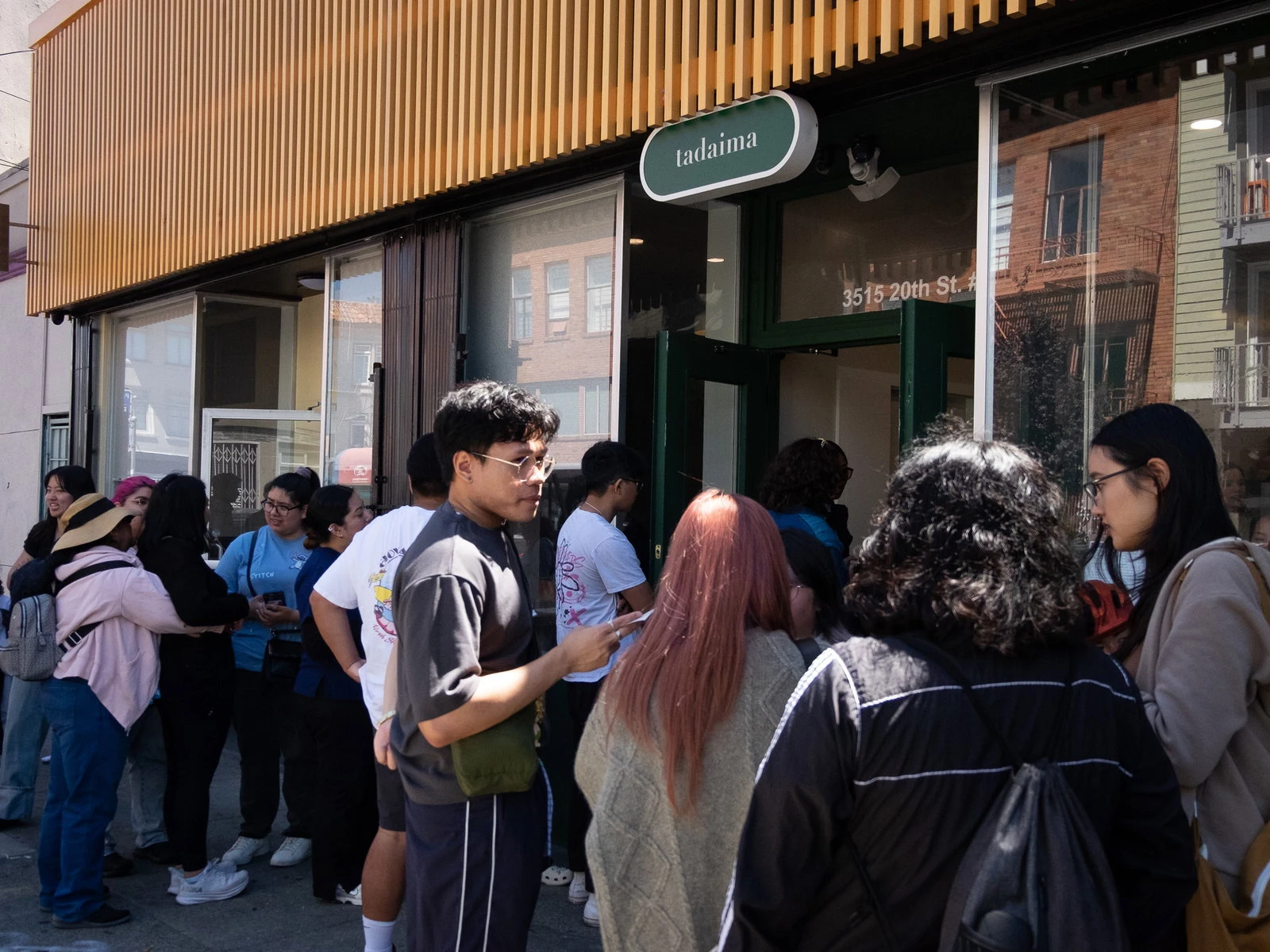
| Tadaima Mission | Café | Mission District |
| OISHII MATCHA | Café | Mission District |
| Grand Coffee Too | Café | Mission District |