Why go
Espresso, filter and Aeropress in a Roman bar
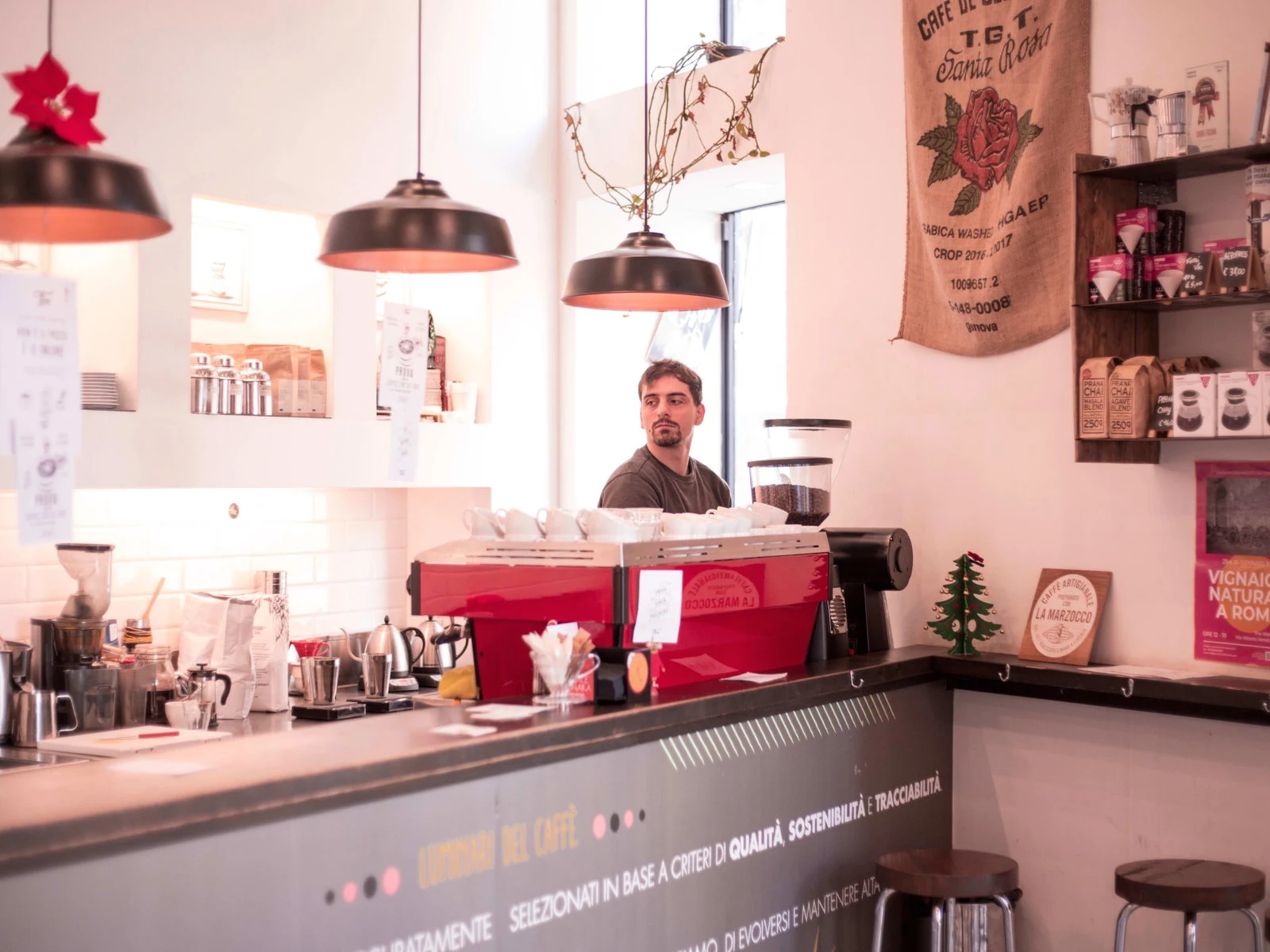
Faro pours specialty coffee in a city that mostly does not, and it does it in an Italian shape: you can stand at the bar with a house-blend espresso the way anyone would in Rome, or you can ask for a single origin brewed as filter or Aeropress. The café opened across the late 2016 to 2017 stretch as Faro, Caffè Specialty, and its founders built it around three ideas, spreading specialty coffee culture, improving how coffee is drunk, and moving more value back down the supply chain. The baristas will suggest you drink it without sugar, and the Wi-Fi password, senzazucchero, makes the point for them.
The coffee comes from the house roastery
Faro never tied itself to a single roasting agreement, which left it free to buy specialty lots from wherever they were good. That eventually became a project of its own: Aliena Coffee Roasters, the roastery attached to the café, buying from single plantations and roasting for the bar. The espresso keeps a familiar Italian form while the rest of the list rotates, and a coffee like Nensebo, an Ethiopian single origin with floral, lime and strawberry notes, shows what the filter and Aeropress side is for. The bar is equipped for it, but the traceability is the actual argument.
Cornetti early, then lunch
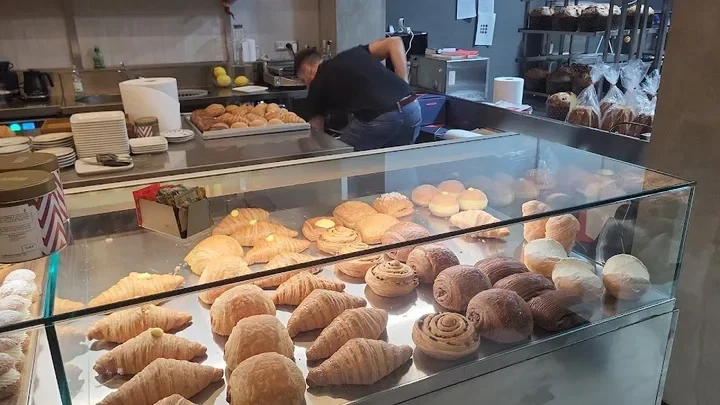
The food is not an afterthought. Faro has a chef and a menu that changes, with dishes, bread and sweets made on the premises, and its own structure runs from bakery and colazione through all-day brunch to pranzo. The artisan cornetti are the item to arrive early for, because they tend to be gone by mid-morning. Tiramisu is the sweet to order later in the day, and yogurt with frutti di bosco is the lighter breakfast. At midday the kitchen turns to soups, wraps, salads and the day’s specials, which is what makes the café usable for longer than one espresso. Between the bakery counter, the kitchen and the roastery, Faro is closer to a small food business than to a coffee bar, which is unusual anywhere and rare in Rome. The recognition has followed: Faro placed #42 on The World’s 100 Best Coffee Shops for 2026 and was recognised in the European Coffee Trip Awards for 2025.
Tags
Frequently asked questions
Who roasts the coffee at Faro?
Faro roasts its own through Aliena Coffee Roasters, the roastery attached to the café. It buys from single plantations rather than working to one fixed roasting agreement, which is why the single-origin list keeps changing while the house-blend espresso stays in a familiar Italian shape.
What should I order at Faro?
An artisan cornetto with an espresso if you arrive early, since the cornetti often sell out by mid-morning. For coffee on its own terms, order a single origin as filter or Aeropress. Later in the day the kitchen runs soups, wraps, salads and daily specials, and tiramisu is the sweet to finish on.
Compare nearby places
| Venue | Type | Area |
|---|---|---|
| Bap | Café | XX Settembre / Pinciano-Salario |
| Slow - Specialty Coffee & Pastry Lab | Café | Largo Argentina / Parione |
| Gelateria La Romana | Café | Sallustiano |
| Il Gelato di San Crispino | Café | Trevi |
| Il Caffé | Café | Campo Marzio |