Why go
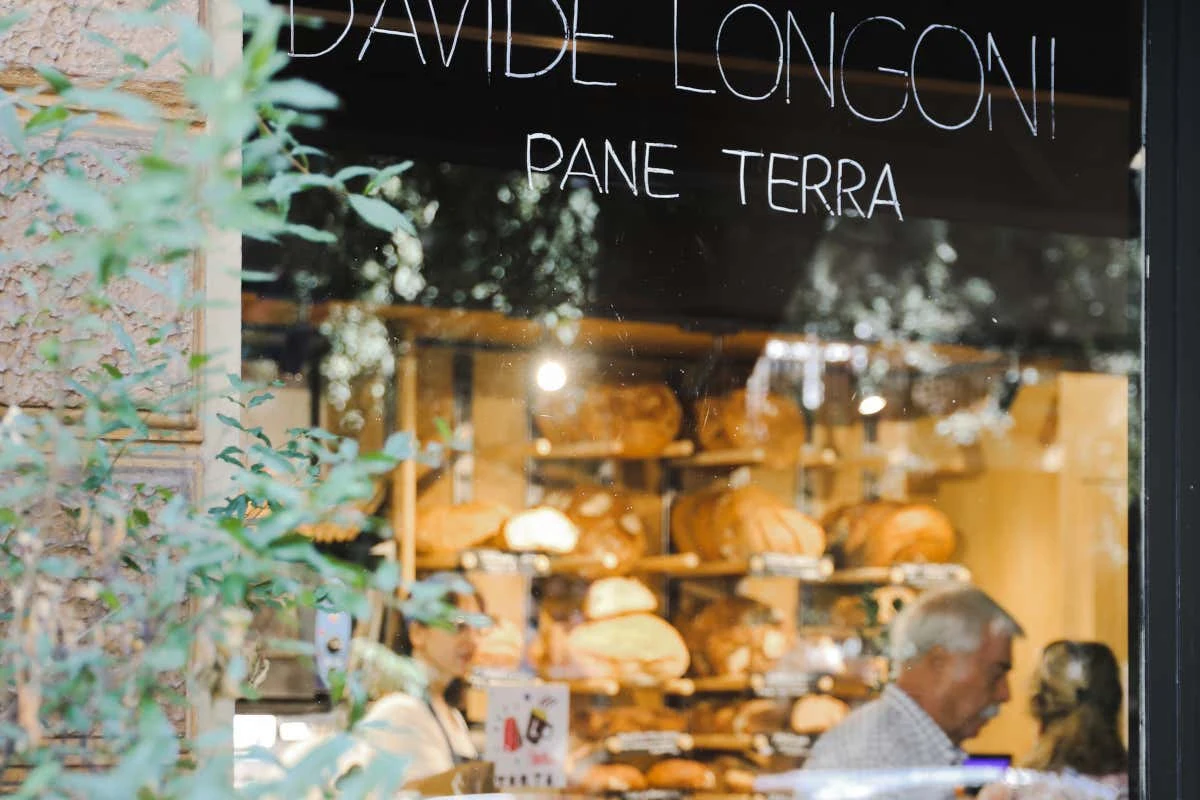
Bread is the argument at this Milan panificio, where pasta madre, organic wheat from the bakery’s own farm and long fermentation decide everything else.
Bread treated as a cultural object
Davide Longoni builds around bread as a cultural object rather than a daily purchase. A key step came in 2016 with the acquisition of the Pane e Terra farm, where organic wheat is grown for the bakery. That agricultural base explains the emphasis on short supply chains, minimally refined flours and grains chosen for flavour, resilience and care for the land. The bread is discussed the way wine is: different grains and origins are expected to taste different, and each loaf is read back to the field it came from. Gambero Rosso gave the bakery its Tre Pani rating for 2026.
A neighbourhood bakery with a technical core
The method is precise. Longoni works with pasta madre, the wild yeast leaven, and with long fermentation, valued for bread that is more fragrant, more digestible and better able to keep. The grain programme is equally central: organic wheat from the farm goes to small artisan millers to be stone-milled, which supports the focus on minimally refined flour and a short chain from field to counter. Named breads include pane agricolo, the rustic agricultural loaf, and pane di campagna, the country bread where flour, leavening and temperature are most openly discussed. The counter also carries pizza and dolci da forno. Panettone has a particular role, made to a classic Milanese recipe year round and described as the rich cousin of bread.
Daytime for loaves, evening for focaccia and wine
Frame a visit around a bread-first bakery rather than a café with a long drinks list. The Porta Romana bottega is where bread, pizza, sweets and related baked goods are bought, at a counter pace that fits ordinary Milanese neighbourhood commerce. In the evening the same bread culture turns into aperitivo, with assorted breads and focaccia served alongside a list of natural wines chosen with the attention Longoni gives to flour and fermentation. So the visit changes with the clock: loaves such as pane agricolo and pane di campagna, pizza, oven sweets and panettone during the day, then bread, focaccia and wine later. A separate room at the production site hosts workshops, tastings and conversation about bread.
Frequently asked questions
What should I buy at Davide Longoni Pane?
Start with the bread: pane agricolo, the rustic agricultural loaf, or pane di campagna, the country bread the bakery discusses most openly in terms of flour, leavening and temperature. Add pizza or something from the dolci da forno, and take the panettone whenever it appeals, since it is made year round.
Where does the flour come from?
Largely from the bakery’s own land. Longoni acquired the Pane e Terra farm in 2016 and grows organic wheat there, which small artisan millers stone-mill into flour. The result is a short supply chain and minimally refined flours, with grains chosen for flavour and resilience rather than uniform baking behaviour.
Compare nearby places
| Venue | Type | Area |
|---|---|---|
| LePolveri – Panificio diurno | Bakery | Barona |
| Alessandro Servida | Bakery | Porta Monforte |
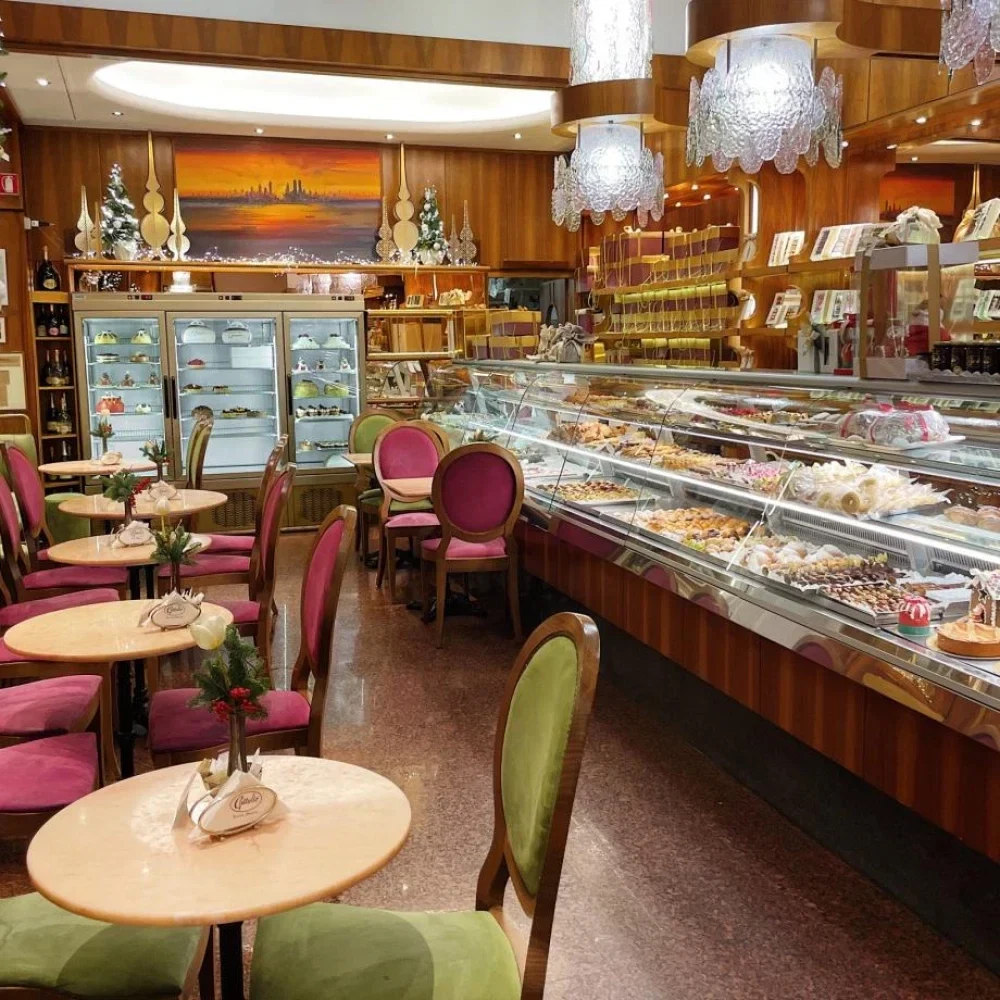
| Pasticceria Gattullo | Bakery | Porta Lodovica / Bocconi |
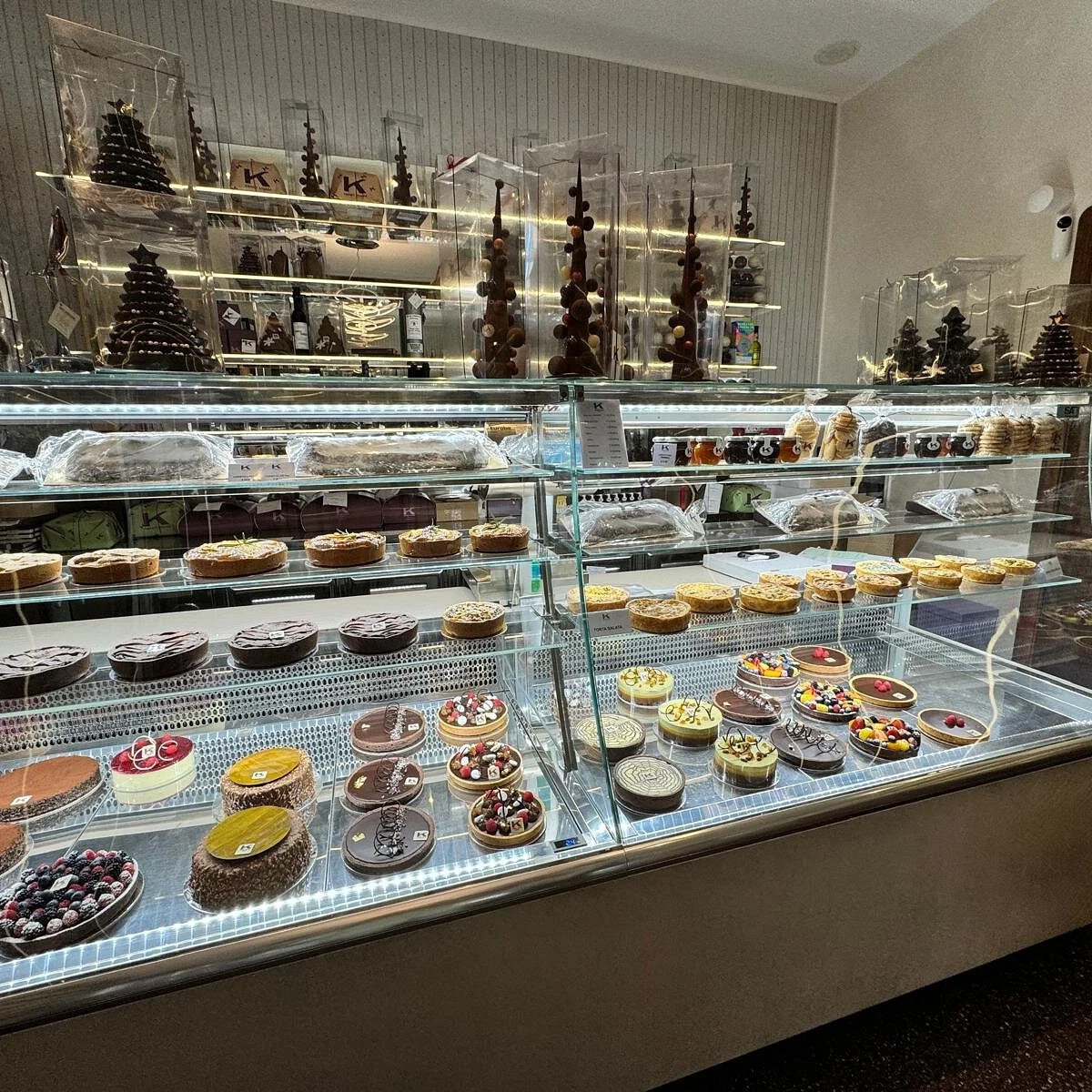
| Ernst K Knam | Bakery | Porta Vittoria |
| Da Vittorio Selection | Bakery | Quadrilatero della Moda |