Why go
The mills are the whole argument. Constance Tea & Matcha grinds whole tencha leaf into powder on site, on commercial-grade Japanese stone mills called ishi-usu, and everything else about the Outer Richmond studio in San Francisco follows from that one decision. It opened in 2025 with a deliberately narrow menu: matcha and tea, prepared close to the moment the powder is made.
Tencha, ground on site
Tencha is the shade-grown leaf used specifically for matcha. It is harvested, steamed, dried and destoned before it is ground, and most cafes buy in the powder at that final step. Constance brings the grinding indoors instead, on mills imported from Japan and run slowly, a traditional arrangement meant to keep heat out of the powder.
Speed matters because heat and time are what matcha loses first. Fresh milling holds on to chlorophyll, to amino acids such as L-theanine, and to the volatile compounds that make up matcha's grassy, sweet, lightly umami character. Powder that has sat around gives up color, aroma and sweetness in roughly that order, which is why a studio built around a mill tastes different from one built around a tin.
A single-subject bar
Constance reads closer to a single-subject specialty bar than to a general cafe. The method echoes Japanese tea-ceremony practice, where matcha is ground close to preparation and whisked rather than stored, and the room is arranged around the same sequence: mill, leaf, whisk, cup.
That also explains what it is not. There is no bakery program, no brunch service and no boba counter. It is a premium matcha and tea house, and the format brings the traditional tools with it, bamboo chasen whisks and careful water temperature, both of which matter for avoiding scorched or bitter matcha.
How to drink it
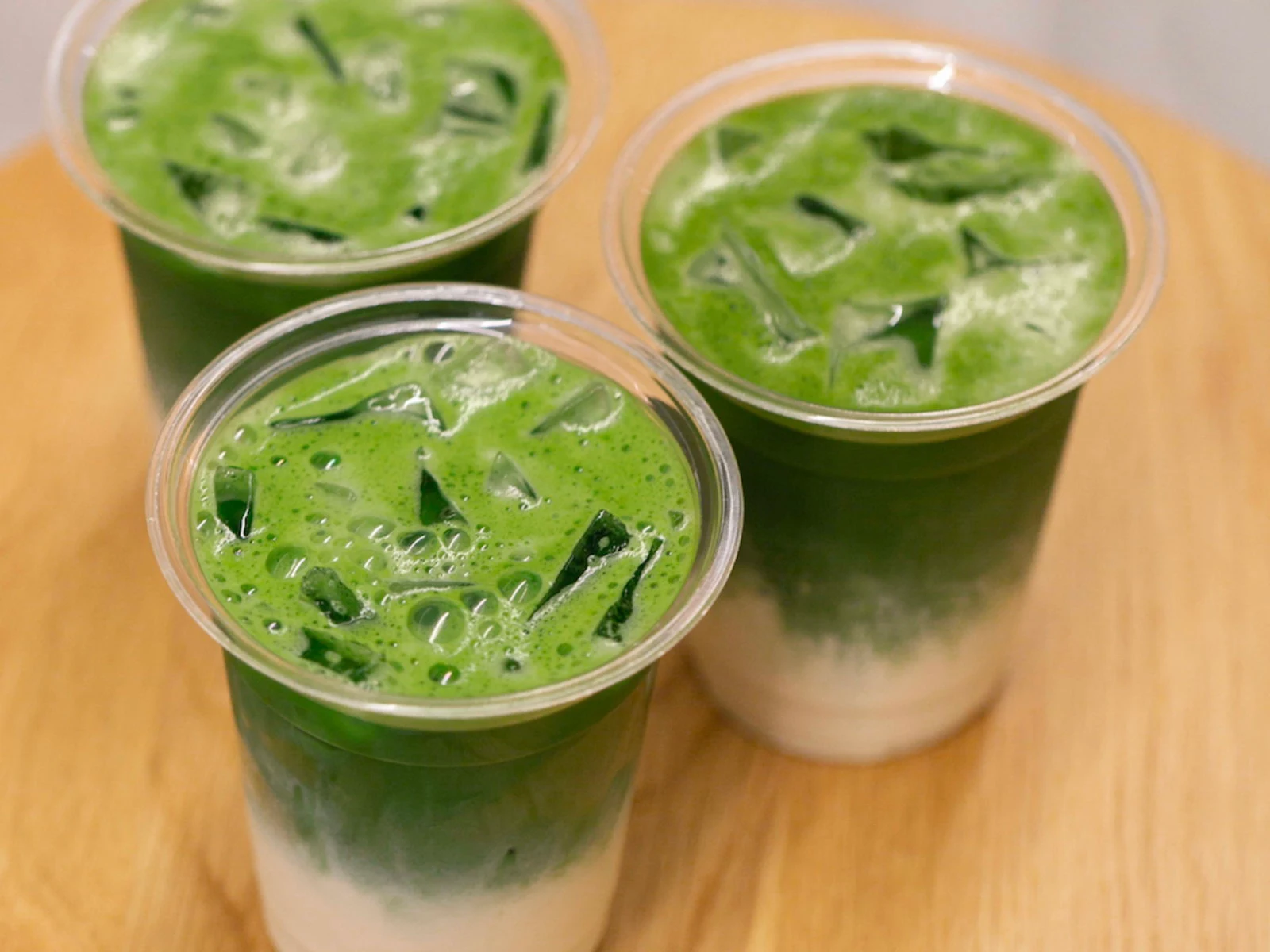
Come during the day and treat it as a matcha run rather than a cafe visit. What you are ordering is a cup made from tencha ground shortly before service, which is a variable most drinkers have never been able to isolate for themselves.
For anyone who already knows the difference between ceremonial-grade matcha, a sweetened matcha latte and the powder most cafes work from, Constance offers a rare comparison: the same leaf and the same whisking, with grind freshness as the thing that changes. For anyone who does not, the instruction is simpler. Order the matcha, drink it soon after it arrives, and pay attention to the aroma before the first sip.
Tags
Frequently asked questions
What makes the matcha at Constance different?
It is milled on site. Whole tencha leaf is ground on commercial-grade Japanese stone mills, run slowly to keep heat out of the powder, rather than bought in already ground. Fresh milling holds on to chlorophyll, L-theanine and the volatile compounds behind matcha's grassy, sweet, lightly umami character.
What is tencha?
The shade-grown leaf used specifically for matcha. It is harvested, steamed, dried and destoned, and only then ground into powder. Most cafes buy it in already ground, while Constance takes delivery of the leaf and does that final step itself, on stone mills imported from Japan and run at low speed.
Compare nearby places
| Venue | Type | Area |
|---|---|---|
| Hologram | Café | Outer Richmond |
| Kissaten Hifi | Café | Inner Richmond |
| Kopê House | Café | Hayes Valley |
| Tadaima Mission | Café | Mission District |
| Hedge Coffee Roasters | Café | Mission District |