Taksim

Coffee Company

CafeCoffee BarAbout $10 a head
Coffee Company

Why go

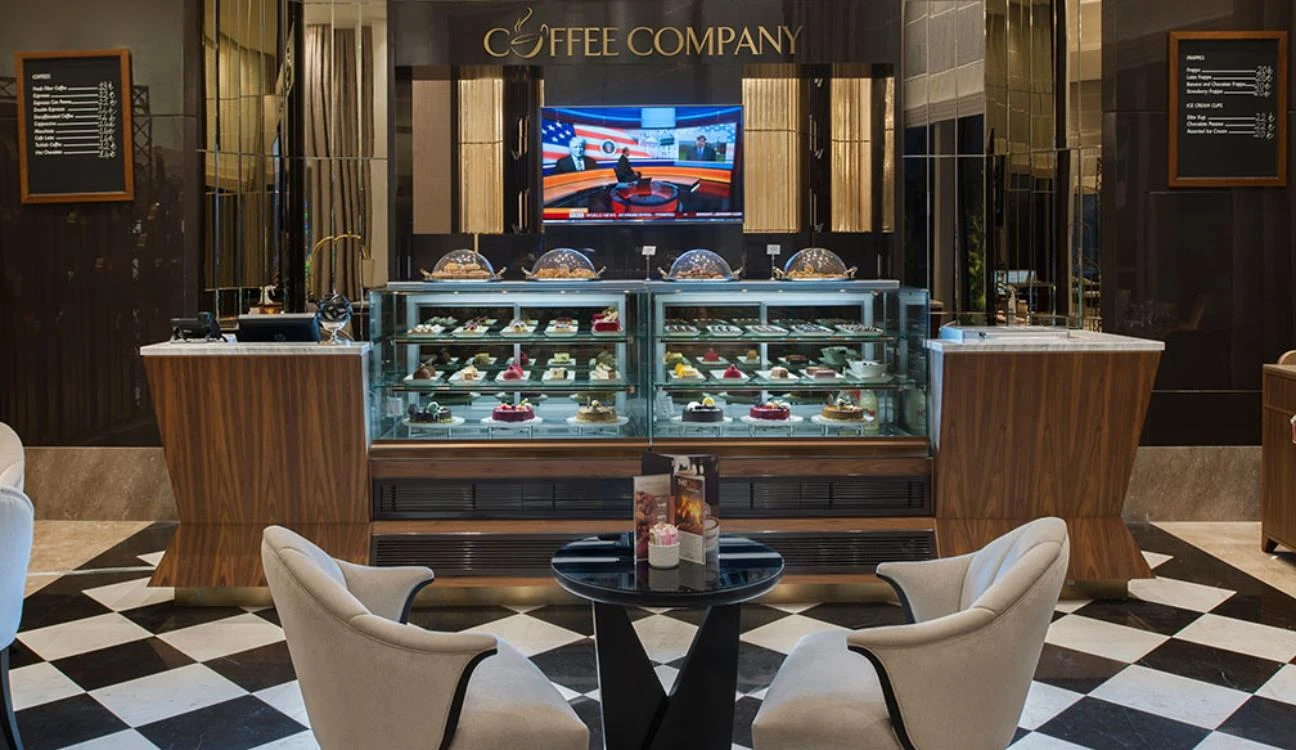
Approaching Şehit Muhtar from the Taksim side, the city changes register quickly: hotel doors, office errands, side-street restaurants, and late-day foot traffic all overlap within a few blocks. Coffee Company belongs to that practical Istanbul rhythm. The point is not ceremony in the restaurant sense, but the smaller ritual of a coffee break in Beyoğlu: a pause before a meeting, a neutral place between hotel lobby and street, or a low-commitment stop before the evening moves elsewhere.

Istanbul’s coffee culture is often discussed through Turkish coffee, but the city’s daily caffeine habits are broader and more flexible. In central districts, contemporary cafés serve a role closer to urban infrastructure than culinary theatre. They absorb solo laptop time, quick conversations, post-check-in waiting, and the half-hour gaps that appear between museum plans, dinner bookings, and traffic delays. In that context, Coffee Company is useful because it sits inside one of the city’s dense hospitality corridors rather than trying to behave like a destination restaurant.

Beyoğlu coffee as a timing ritual, not a tasting-menu event

The ritual here is governed by pace. A serious Istanbul meal often stretches: meze, fish, raki, tea, and the slow social negotiation that follows. A coffee stop in Beyoğlu works differently. It is brief, adaptable, and built around the city’s interrupted schedule. That distinction matters for travellers who try to read every venue through the language of dining. This is a place to use between plans, not a room to structure an entire day around.

Beyoğlu also rewards that kind of flexibility. The area connects hotel lobbies, cultural stops, rooftop restaurants, late bars, and transit routes without settling into one single mood. A traveller might compare the district’s restaurant end of the spectrum through 360 Istanbul in Beyoglu or the older dining tone of 1924 İstanbul (Russian), but coffee occupies a separate slot in the day. It is the hinge between those larger decisions.

That hinge is especially useful in Istanbul because the city’s geography makes small pauses valuable. Moving between European-side neighbourhoods can take longer than the map suggests, and Taksim-area stops often function as reset points before crossing toward Beşiktaş, Karaköy, Nişantaşı, or the Bosphorus. For a broader view of how those choices fit together, Our full Istanbul restaurants guide, Our full Istanbul hotels guide, and Our full Istanbul bars guide map the city by category rather than by a single afternoon’s route.

Where the café fits among Istanbul's heavier dining traditions

Istanbul dining is not short of rooms with a stronger culinary thesis. The Bosphorus-side format has its own grammar at places such as A'jia Restaurant, while hotel dining and roof-level city views shape decisions at 16 Roof Swissotel in Besiktas. More formal Turkish dining appears elsewhere in the city through addresses such as 29 (Turkish), 34 Restaurant, and 5. Kat Restaurant. Coffee Company is not competing with that category. Its value is in the lighter part of the itinerary, when a traveller needs a short stop rather than a plated argument about modern Turkish cooking.

That distinction keeps expectations clean. Istanbul’s stronger restaurant experiences usually depend on context: view, seafood tradition, meze pacing, hotel service, chef-led tasting formats, or regional Turkish cooking. A café in a lobby area operates on a different standard. The relevant questions are simpler: Is the location useful? Does it suit a brief meeting? Can it anchor a pause before the next reservation? In Beyoğlu, those questions carry real weight because the neighbourhood is constantly shifting between daytime movement and night-time plans.

The same logic applies when comparing Istanbul with the wider Turkish dining map. Regional addresses such as 7 Mehmet in Antalya, ADA Restaurant in Fethiye, Adil Müftüoğlu in Balcova, and Adil Müftüoğlu in Izmir speak to coastal, regional, or city-specific food cultures. A Beyoğlu coffee stop belongs to a metropolitan habit instead: compressed, practical, and tied to the city’s constant movement.

Use it as a short urban pause before the city widens out

Coffee Company works well in the itinerary as a staging point. The surrounding district makes sense for travellers staying near Taksim, moving between hotel appointments, or leaving space before a later table. It is not a venue to approach with the expectations attached to award-led restaurants, chef biographies, or formal tasting structures. The better read is simpler and more useful: a central coffee address in a part of Istanbul where the day often needs a controlled pause.

From there, the city can widen in several directions. Food-focused planning can continue through Our full Istanbul restaurants guide; drinking plans belong in Our full Istanbul bars guide; broader cultural scheduling sits better with Our full Istanbul experiences guide. Travellers building trips beyond Turkey can also compare how casual Japanese formats read in Los Angeles and Pasadena through Jōdo Saké Bar in Los Angeles and Onigiri Time in Pasadena, though Istanbul’s café rhythm remains its own urban habit. For wine-focused planning in the city, Our full Istanbul wineries guide keeps that separate from the coffee-and-meeting part of the day.

Tags

ModernCozyQuietCasual HangoutAfter WorkSoloBrunchHotel RestaurantStandalone