Why go
Coffee moving through copper
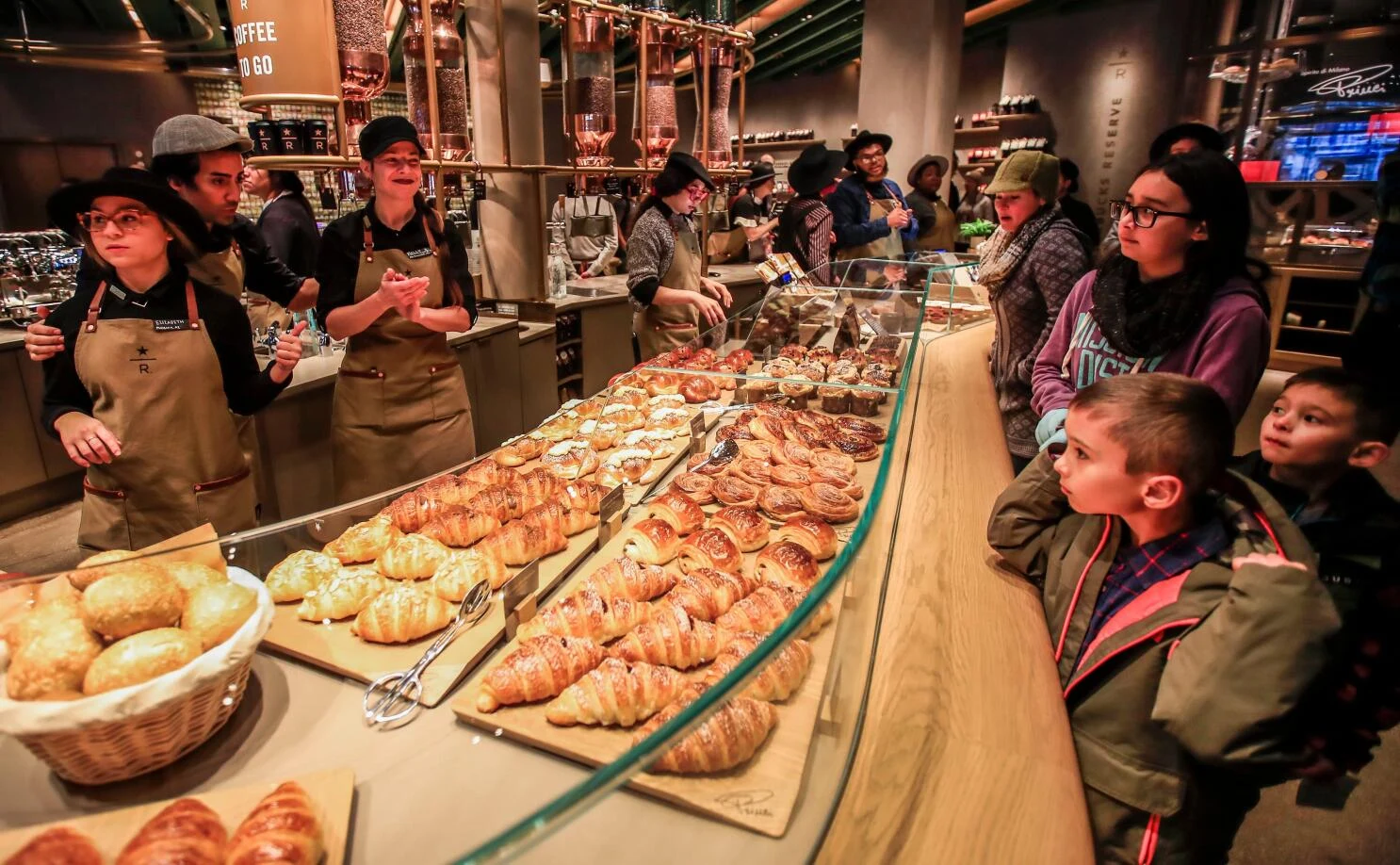
Eight copper tubes, fifty-six feet each, carry beans between the floors of this five-storey building, and that is the sales pitch made physical. The Chicago Roastery is Starbucks Reserve’s largest store anywhere, opened on the Magnificent Mile in November 2019, and it is built to put roasting on stage rather than hide it behind a counter.
The house coffee is the Chicago Roastery Microblend, a medium roast with notes of jammy berry and raw honeycomb, poured brewed, as espresso, as cold brew and on nitro, so the same coffee can be read four ways in a single visit. Barrels of Guatemalan cold brew and other rare lots sit on the third floor beside an experiential coffee bar and small-batch roasting of rare coffees from around the world. Coffee cocktails run through the upper floors.
Princi on the second floor
The food is not a pastry case beside the espresso machine. Princi occupies the second floor as a full Italian bakery, with fresh croissants, cannoli, cheesecakes and other sweet tarts, and it gives the roastery a genuine baking identity rather than a sideline.
The same floor runs pastas and pizzas, and locally made chocolates sit alongside the Italian baked goods. That makes the second level the natural pairing point: a Microblend espresso with a croissant or a cannolo, or a longer stop that moves toward savoury Italian food. Croissants, cannoli, cheesecakes and sweet tarts remain the strongest bakes.
How the five floors work
Thirty-five thousand square feet is a lot of coffee shop. Retail and a simpler coffee bar sit on the first level, Princi on the second, the experiential coffee bar on the third, a cocktail bar on the fourth and a rooftop bar on the fifth when the weather allows. The design language is immersive, with custom details on every level.
The building has a history of its own. It was the Crate & Barrel flagship, and the remodel involved Crate & Barrel founder Gordon Segal along with Solomon Cordwell Buenz, the architects of the 1990 original. It has been called a cathedral of coffee and a coffee theme park, and both descriptions fit the scale.
Crowds vary, since the Magnificent Mile pulls tourists as well as coffee drinkers. A focused visit starts with the Chicago Roastery Microblend, continues with Princi pastries, and finishes with cold brew, nitro or a coffee cocktail on a higher floor.
Tags
Frequently asked questions
What should I order at the Chicago Roastery?
The Chicago Roastery Microblend, a medium roast with notes of jammy berry and raw honeycomb, which is poured brewed, as espresso, as cold brew and on nitro. Pair it with Princi on the second floor, where croissants, cannoli, cheesecakes and sweet tarts are the strongest bakes, then finish with a coffee cocktail upstairs.
What is on each floor?
Retail and a straightforward coffee bar on the first, the Princi bakery on the second, an experiential coffee bar with rare coffees and barrel-aged cold brew on the third, a cocktail bar on the fourth and a rooftop bar on the fifth in good weather. Copper tubes move the beans between them.
Compare nearby places
| Venue | Type | Area |
|---|---|---|
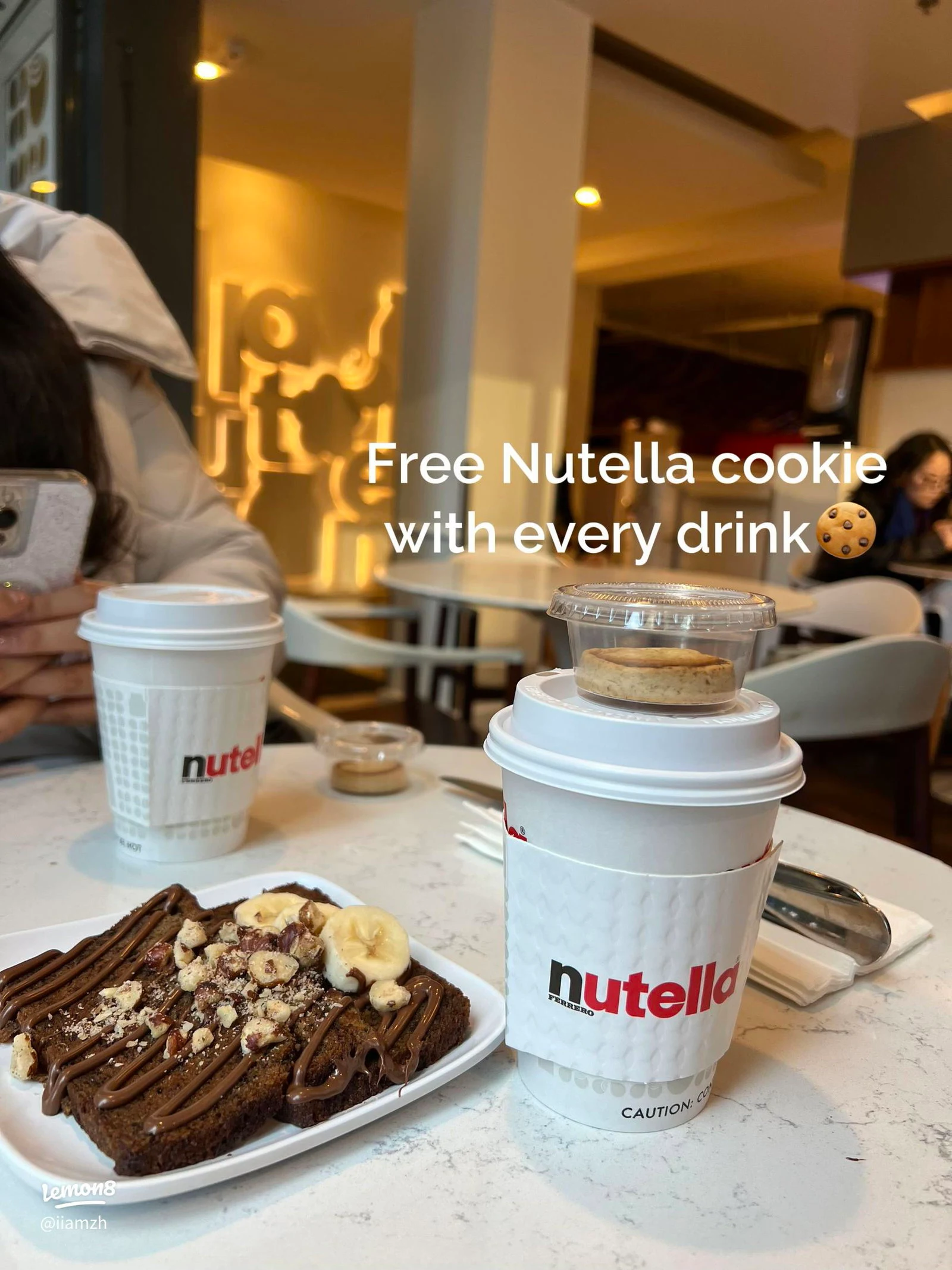
| Nutella Cafe | Café | Magnificent Mile |
| Intelligentsia Coffee Broadway Coffeebar | Café | Lakeview |
| Big Shoulders Coffee | Café | West Town |
| Dollop Coffee Co. | Café | Streeterville |
| VietFive Coffee | Café | West Loop |