Why go
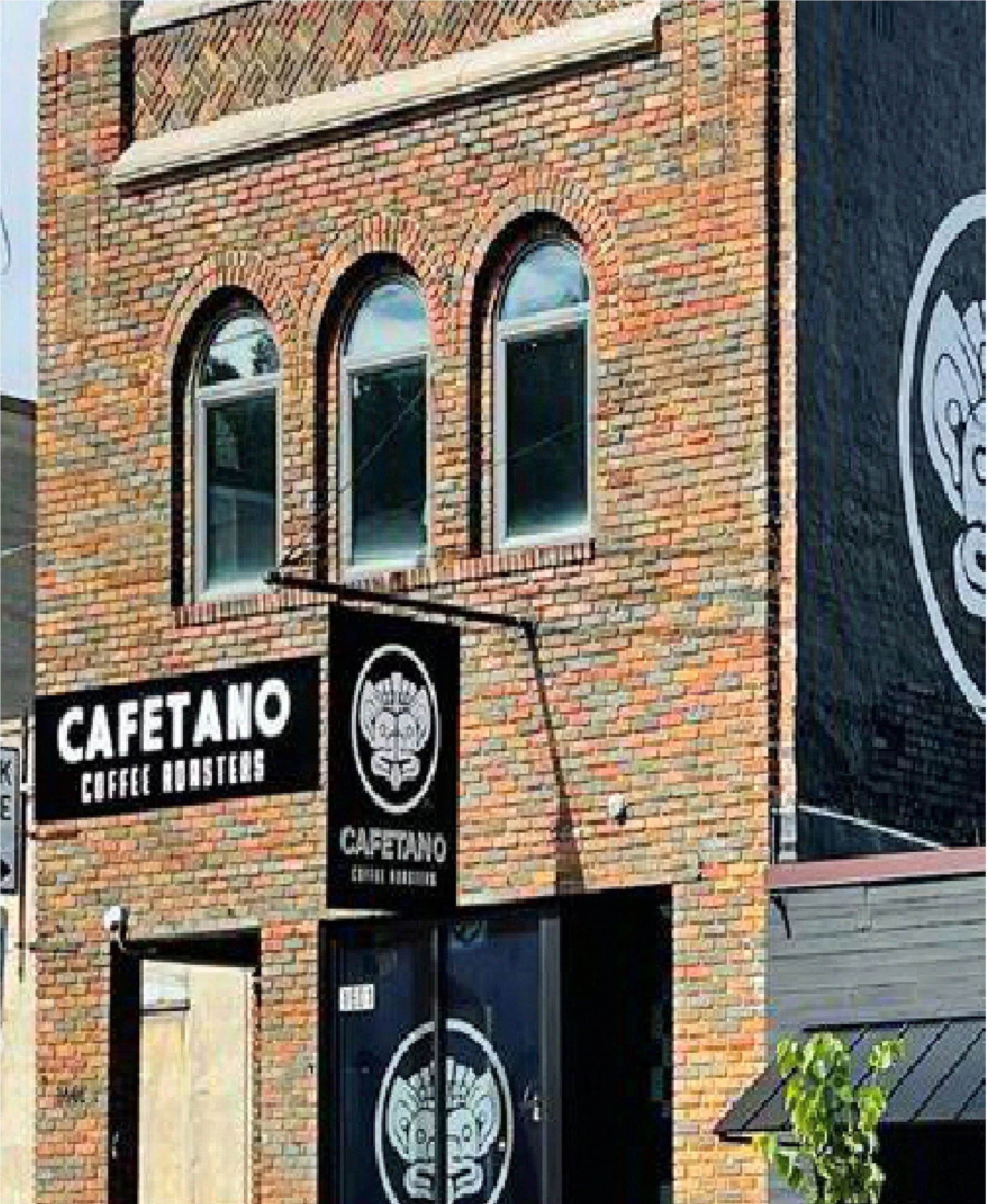
Everything poured at the Las Minitas counter starts on a Honduran farm the company’s own family works. Cafetano grows, cups, roasts and serves under one name, three generations deep in coffee, and its Tegucigalpa cafe is where that chain becomes a cup. The first Cafetano opened in 2015, and the roasting, the cupping table and the bar have belonged to the same operation ever since.
One hundred percent Honduran, farm to bar
The coffee is entirely Honduran and the model is vertically integrated: grown through the family’s production network, evaluated by its cuppers, roasted by the brand, prepared by its baristas. Lots from the plantation are exported to Japan, Norway, Australia and the United States, and the same standard comes back to the bar in Tegucigalpa.
Named coffees give the programme its edges. Golden Zotz is presented as one to drink slowly, Cacique carries ripe fruit, cacao and grapefruit, and La Guara is a gesha with bergamot and mandarin. The bar is set up to show them off, with V60, Aeropress and Chemex all in use and the extraction method chosen for the coffee rather than for speed. The World’s 100 Best Coffee Shops placed the cafe at No. 91 in 2026.
A producer’s room in Tegucigalpa
Las Minitas is a modern, welcoming room rather than a grab-and-go counter, built to make the link between grower and drinker visible. The house describes its cafes as eclectic and comfortable, and the atmosphere follows: people sit, talk about the coffee and watch it being made.
The team is the other half of it. Baristas are trained in-house and expected to explain what is in the cup, which turns a simple order into a short conversation about origin and process. Food is a companion rather than a second act, with savoury and sweet items drawn from Italian and Honduran cooking.
Order the Calabaza Catracha, then the Golden Zotz
The Calabaza Catracha Latte is the drink to remember, a Honduran-inflected signature rather than a standard milk order, and the clearest thing on the menu that could not be served anywhere else. After that, Golden Zotz is the coffee name most tied to this cafe, and it rewards a slower format.
For a filter, ask what is on and which method suits it: V60, Aeropress or Chemex, each matched to the lot. Cacique is the one to try for ripe fruit, cacao and grapefruit; La Guara, when it appears, is the gesha at the top of the range. Between them they show a cafe built on specific Honduran lots rather than on a blend and a logo.
Tags
Frequently asked questions
What should I order at Cafetano Coffee Roasters?
The Calabaza Catracha Latte, a Honduran-inflected signature rather than a standard milk drink. After that, Golden Zotz is the coffee name most tied to this cafe and rewards a slower format, while Cacique brings ripe fruit, cacao and grapefruit. Ask which method suits the lot: V60, Aeropress and Chemex are all in use.
Where does Cafetano’s coffee come from?
From the family’s own Honduran farms. The company is vertically integrated, growing, cupping, roasting and serving under one name across three generations, and it pours only Honduran coffee. Lots from the plantation are exported to Japan, Norway, Australia and the United States, and the same standard returns to the Tegucigalpa bar.
Compare nearby places
| Venue | Type | Area |
|---|---|---|
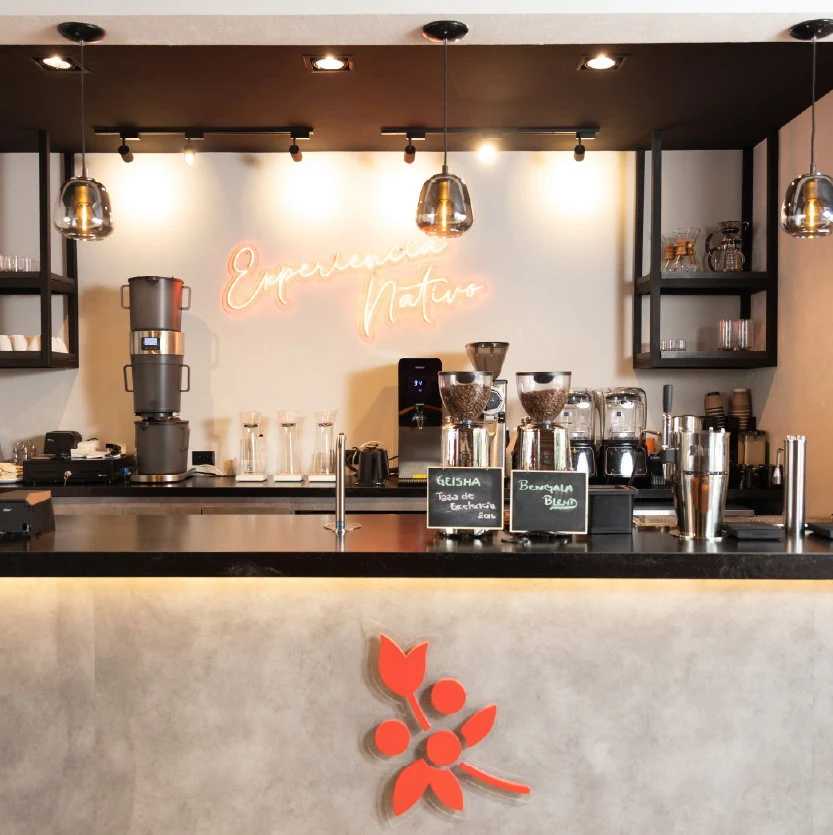
| Café Nativo | Café | Boulevard Suyapa |
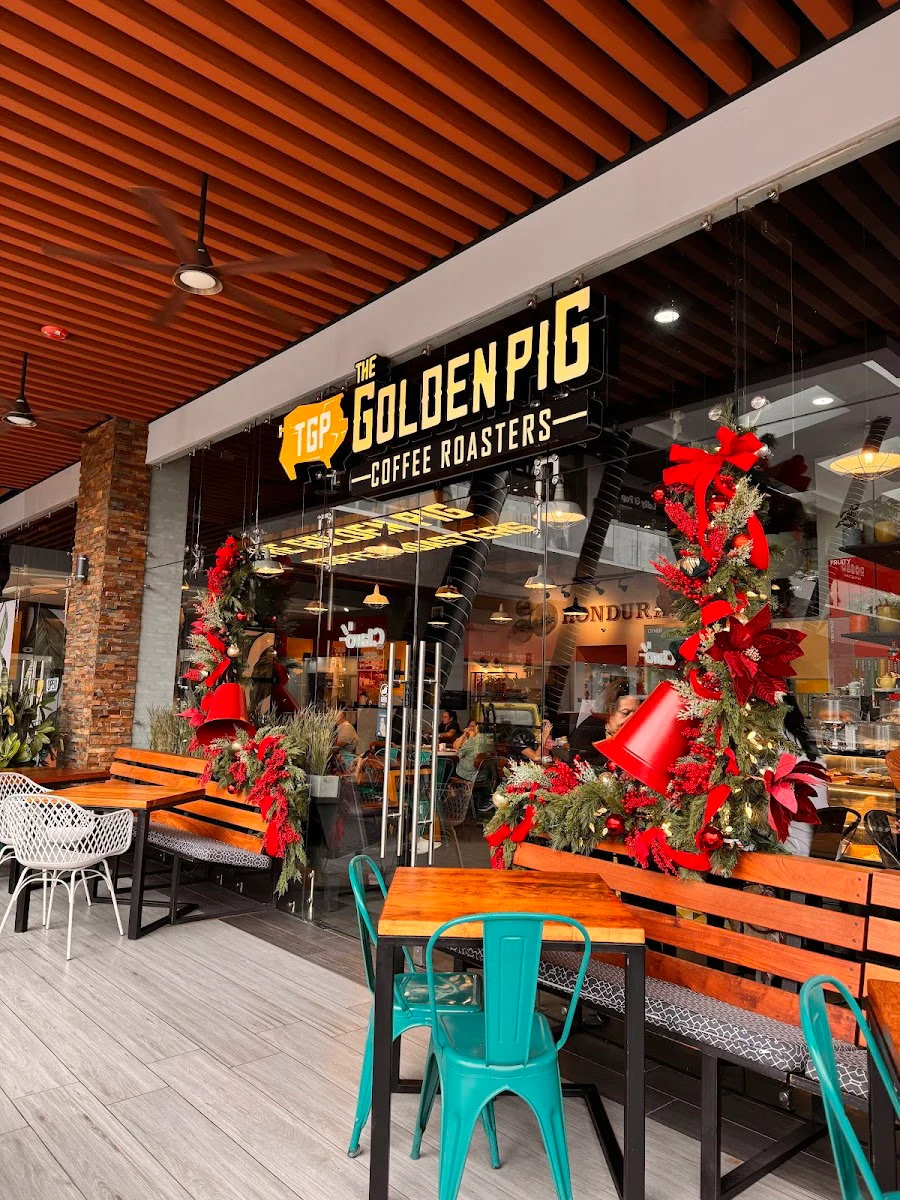
| The Golden Pig | Café | Paseo Próceres |
| Alquimia Coffee | Café | San Benito |
| Café San Rafael | Café | Barrio El Centro |
| DeLafinca Specialty Coffee | Café | Managua |