Financial Harbour

Café Tomo

CafeHotel Cafe
Café Tomo

Why go

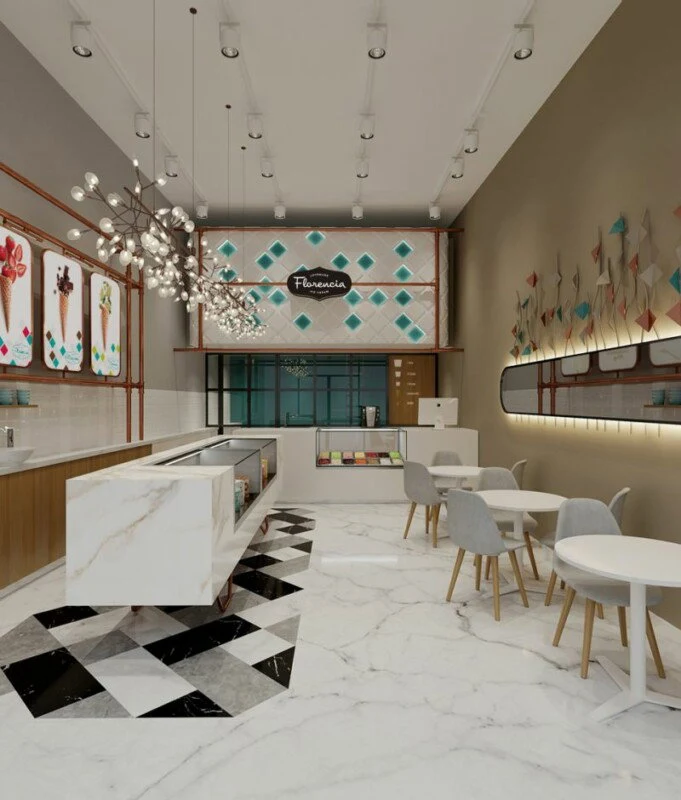
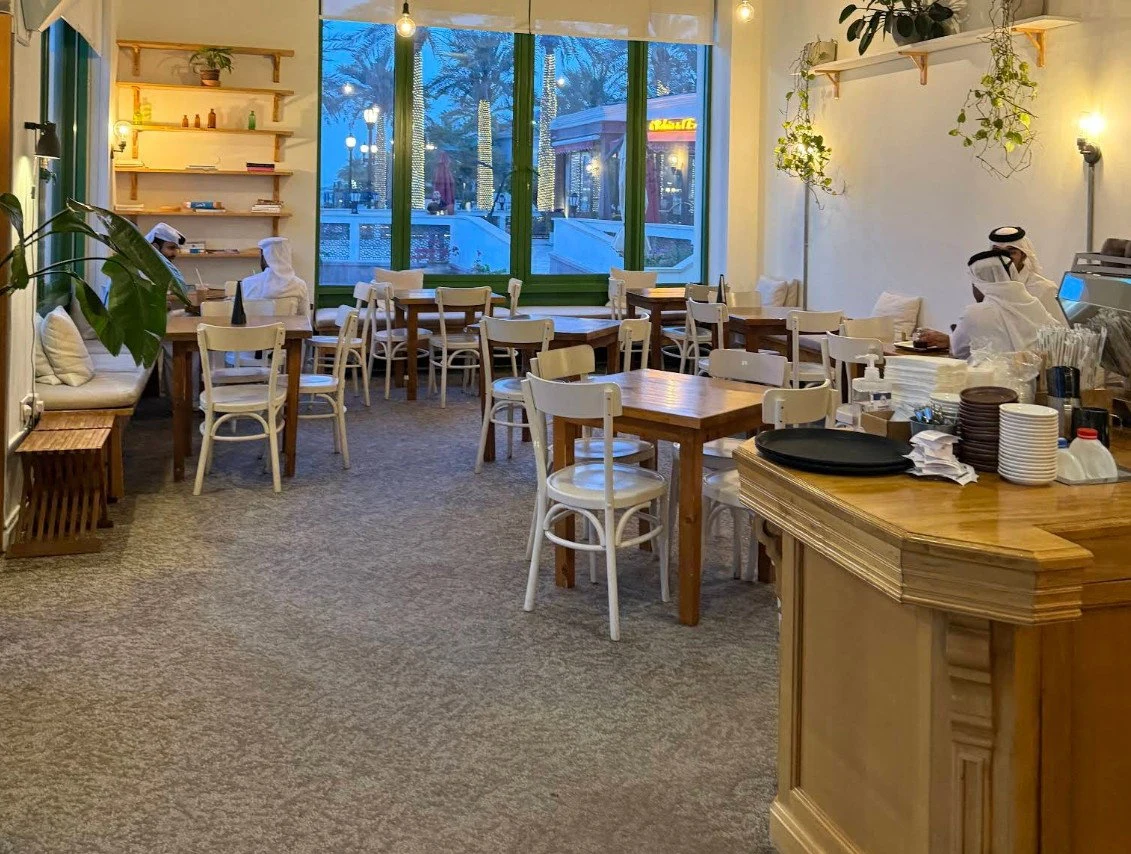
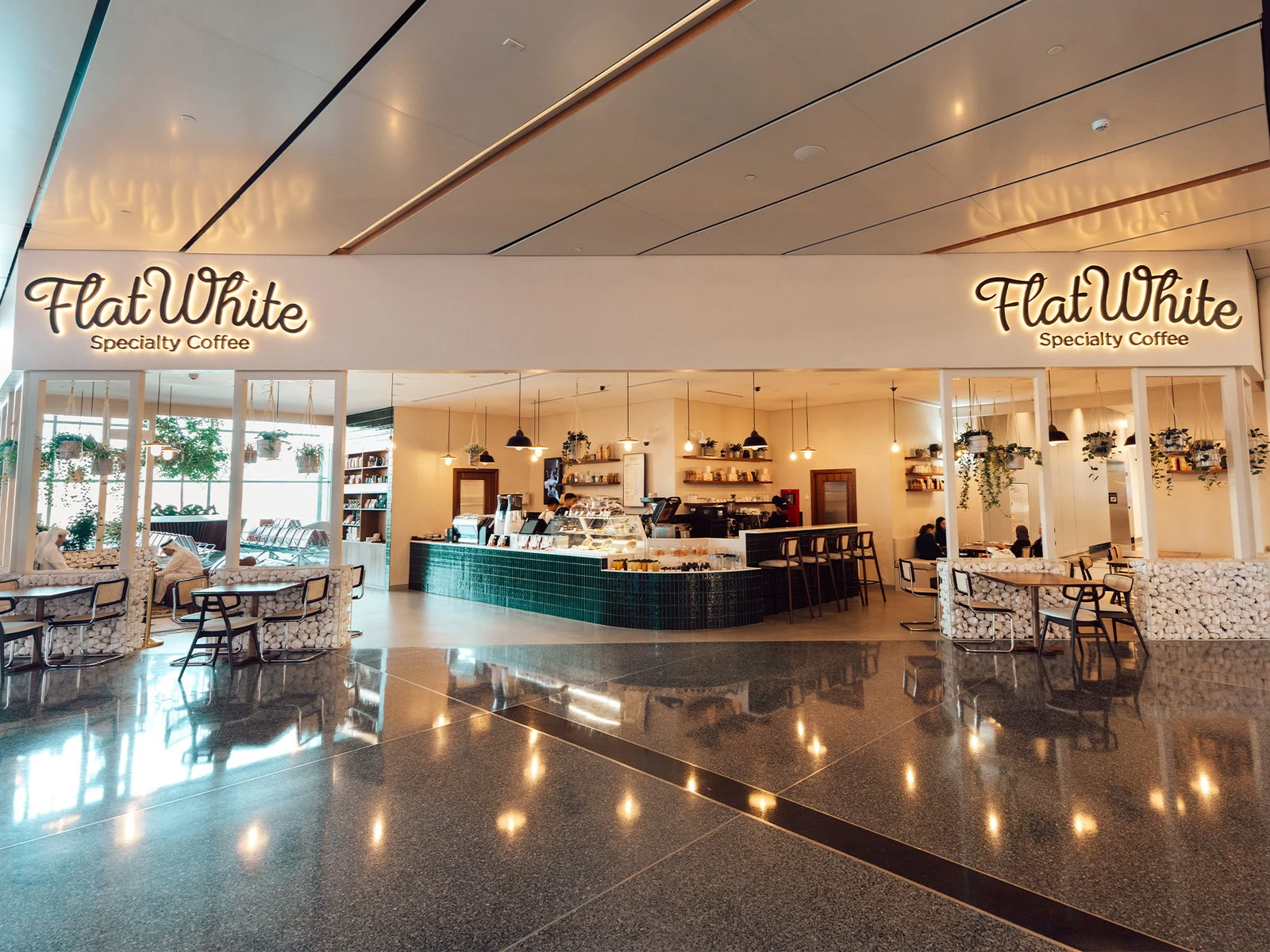
Lobby cafés in Manama do a particular kind of work. They soften the edge between hotel formality and city life: business meetings, family pauses, late coffee, and meals that do not demand the choreography of a white-tablecloth room. Café Tomo belongs to that category, where the first read is spatial rather than theatrical: the public-facing calm of a lobby, the controlled pace of service, and a format that suits Bahrain’s social dining habits as much as visitor convenience.

A Manama café shaped by sourcing, not spectacle

Bahrain’s dining culture has always depended on movement: seafood from the Gulf, produce and pantry staples circulating through regional trade, and international formats adapted to local rhythms. In that context, a café format matters because it reveals what a city chooses for everyday polish. The question is not whether a room performs luxury, but whether it handles ingredients with enough clarity to make breakfast, coffee, and casual dining feel considered.

Café Tomo is better understood through that lens than through the language of destination dining. Manama already has high-gloss international rooms, including SUSHISAMBA and Roka Bahrain, and steakhouse-driven dining represented by CUT Bahrain. Against that set, a lobby café occupies a different lane: less about imported brand drama, more about a steady all-day grammar that can absorb meetings, families, and solo diners without forcing a single occasion onto the table.

The ingredient-sourcing point is important in Bahrain because restaurants often sit between local preference and global expectation. A café has to make familiar things travel well: dairy, breads, coffee, eggs, salads, sweets, and simple cooked plates. When those categories are handled with restraint, the room becomes useful beyond convenience. When they are not, the format collapses into hotel waiting-room food. Café Tomo’s value sits in that middle judgment: it is a Manama café to read through consistency, product quality, and whether the kitchen resists overcomplication.

Where it fits among Manama's polished casual rooms

Manama’s dining map is increasingly split between branded waterfront restaurants, hotel-led international kitchens, and neighbourhood cafés with local loyalty. Bahrain Bay Kitchen speaks to the large-format hotel buffet tradition; Byblos carries the regional Levantine thread; Fusions by Tala reflects the city’s modern Bahraini conversation. Café Tomo is quieter in positioning, but that can be an advantage for travellers who need a composed café rather than a full restaurant production.

The stronger comparison is not with tasting-menu rooms, but with the city’s café culture. Café Lilou in Seef shows how Bahrain has long supported European-style café dining; N'ovetto in Hamala points toward suburban casual Italian; Due Mari in Zallaq pushes the resort-coast version of Italian dining. Café Tomo sits nearer the urban, hotel-adjacent end of that scale, with the lobby setting doing as much work as the menu category.

For readers mapping a wider stay, the useful move is to place this kind of café alongside heavier restaurant bookings. A day might take in Al Bareh Restaurants for the city’s art-district orbit, CUT by Wolfgang Puck in Alwajeha Albahriya for a polished steakhouse register, or Seoul Restaurant and Lounge (مطعم سيول ذ.م.م) in المنامة for Korean dining. Café Tomo is the lower-friction counterweight: a place for the meal between appointments, not the appointment itself.

How to use it during a Bahrain stay

The address places Café Tomo in Manama, which matters more than it sounds. The capital’s dining distances can feel short on a map but are shaped by hotel clusters, malls, waterfront development, and peak-hour traffic. A lobby café works well when plans are fluid: before a gallery stop, after a meeting, or between restaurant reservations. It also suits travellers who prefer a calmer room before moving on to louder dining formats elsewhere in the city.

Its practical appeal is strongest for readers building a Manama food itinerary rather than chasing a single headline meal. Use Our full Manama restaurants guide to balance café stops with larger reservations, then cross-check where to stay through Our full Manama hotels guide. Even if wine travel is not Bahrain’s main proposition, Our full Manama wineries guide, Our full Manama bars guide, and Our full Manama experiences guide help set the broader trip architecture.

There is also value in seeing Bahrain’s café culture beside Japanese-leaning casual formats abroad. Jōdo Saké Bar in Los Angeles and Onigiri Time in Pasadena occupy different markets, but they underline the same point: informal formats succeed when sourcing, pacing, and purpose are aligned. In Manama, Café Tomo is worth reading through that practical standard. It is not the city’s loudest dining statement; it is a useful test of how well the capital handles quiet, ingredient-led café dining.

For a Bahrain itinerary that stretches beyond the capital, Bahi in Hawar brings the island context into view. That contrast helps clarify Café Tomo’s role: an urban pause point rather than a coastal escape, shaped by access, composure, and the everyday expectations of Manama’s hotel-café circuit.

Tags

QuietCozyModernSophisticatedSoloStandalone