Why go
The cream cake sets the whole programme
One pastry explains the room. The Original Bled cream cake, kremna rezina, has been made by Hotel Park's pastry chefs since 1953, from fresh eggs, flour, cream, milk, sugar and butter, and more than sixteen million of them have left the kitchen since. Cafe Park is the place that claims the original, and that claim is why most people walk in.
The cake has four layers under a crisp top crust, and the correct method is to crack the crust with the edge of a fork and take custard, cream and pastry in the same mouthful. Everything else on the menu arranges itself around that one slice.
A terrace above the lake
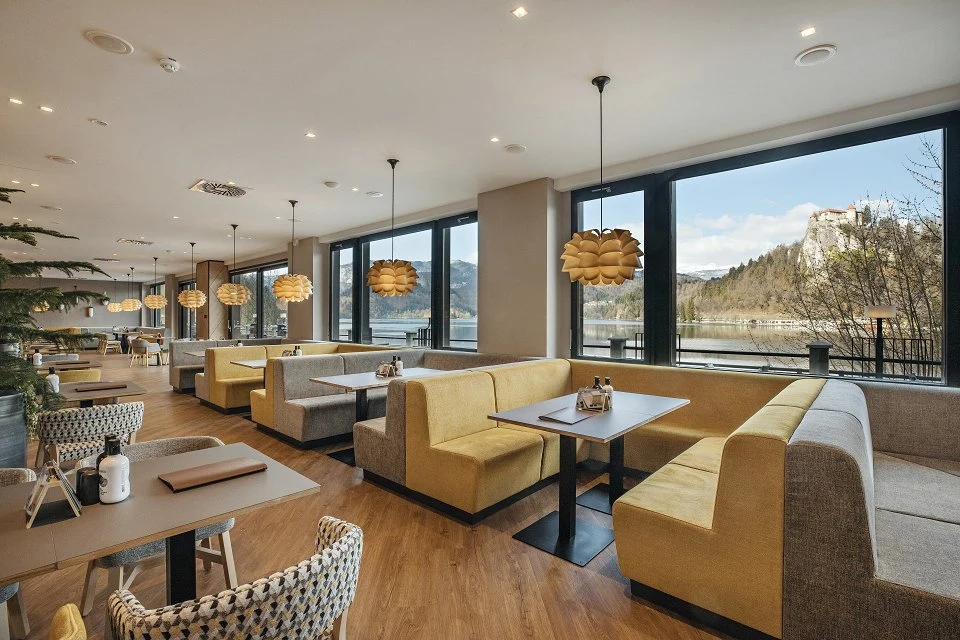
The café sits on the lakefront with a large terrace, a bright indoor room and a view across Lake Bled, and the alpine setting does a great deal of the work. It functions as a dessert house first and a café-restaurant second, though the second half has grown into something real.
The sweet range goes well beyond the famous slice: modern cake work, pies, raw cakes made without baking, and sixteen flavours of homemade ice cream including gianduja chocolate with hazelnuts and waffles, and Sorrento walnut with orange, with lactose-free and LCHF options. Savoury plates give the terrace a proper meal, from the Bled Local Selection platter of Gorenjska dried meats, homemade cheeses and pickled vegetables to Karst prosciutto with olives, daily fresh trout, house pasta, five-cheese ravioli, spaghetti bolognese, slow-roasted pork ribs, Wiener schnitzel, homemade beef soup and goulash soup with drop noodles.
Order the kremna rezina first
Start with the cream cake, because the whole place is arranged around the ritual of eating it. Crack the top, take every layer in one forkful, and let the light cream carry the pastry. Then decide whether the visit stops there or turns into something longer.
If it does not stop, build outward from the dishes that stay connected to Bled. The Local Selection platter is the clearest savoury bridge, the Gourmet Chef's burger uses local Bled cheese, and there is a vegan lentil burger for anyone skipping it. Pork escalope Bled-style, home-made pasta tris and the daily trout make a fuller meal without leaving the region, and the wine list is presented as part of the same lakeside afternoon rather than as a separate exercise.
Tags
Frequently asked questions
What is the Original Bled cream cake?
A four-layer kremna rezina under a crisp top crust, made from fresh eggs, flour, cream, milk, sugar and butter by Hotel Park's pastry chefs since 1953. More than sixteen million have been made. The way to eat it is to crack the crust with a fork and take custard, cream and pastry together.
Is Cafe Park only for dessert?
No, though dessert is why most people come. Alongside the cream cake there are modern cakes, pies, raw cakes and sixteen flavours of homemade ice cream. The savoury side runs to the Bled Local Selection platter, daily fresh trout, house pasta, five-cheese ravioli, pork ribs and Wiener schnitzel on the terrace.
Compare nearby places
| Venue | Type | Area |
|---|---|---|
| Sladoglednica Ice Cream Boutique | Café | Bled |
| Zero Gravity Specialty Coffee | Café | Pernhartgasse / center of Klagenfurt |
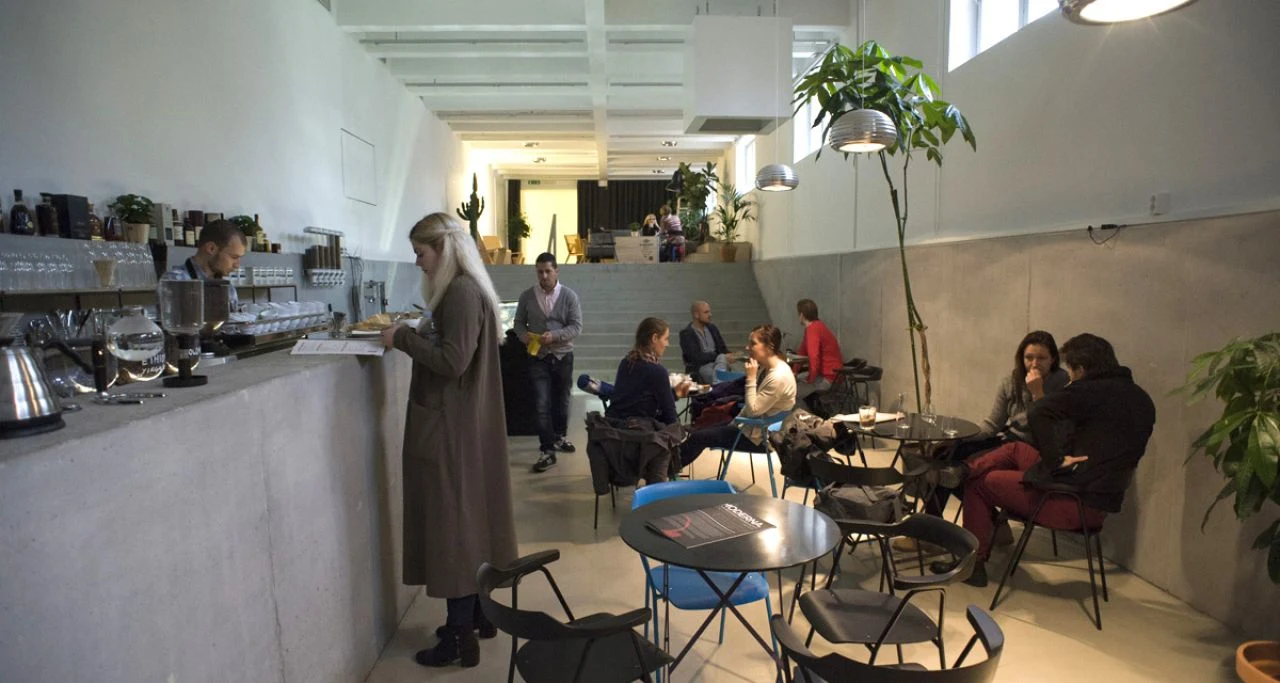
| Moderna | Café | Center District |
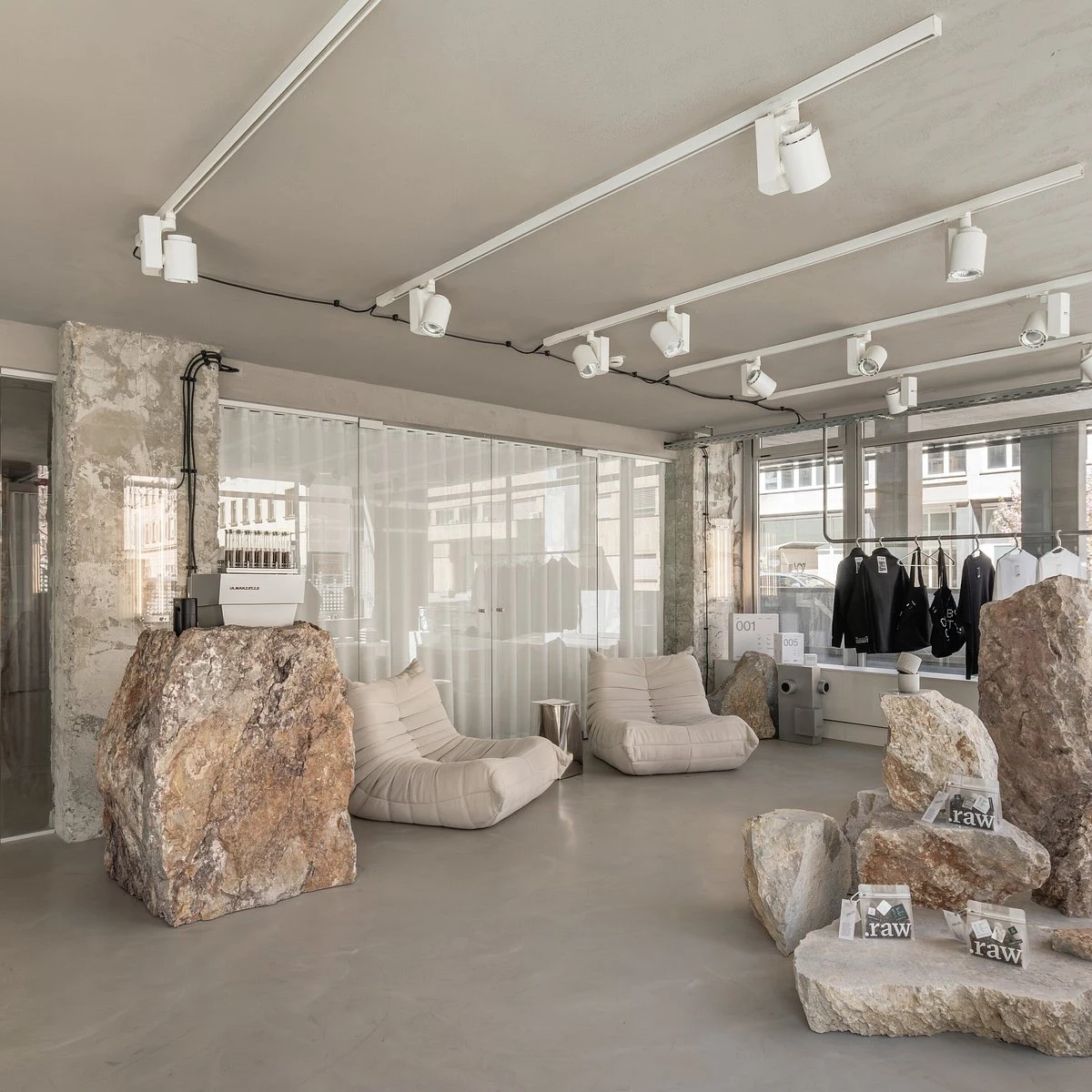
| .raw Specialty Coffee | Café | Center |
| R&B Café Roasters | Café | Center District |