Why go
Daily breads set the programme
Bread baked that morning is the spine of Café One, the deli corner inside Kempinski Hotel Muscat, sitting alongside The Kitchen Restaurant. Pastries and seasonal cakes carry the sweet side, sandwiches make it more than a pastry stop, and breakfast trays gather the morning into one order. The centre of gravity is bakery-led comfort rather than a formal restaurant sequence.
Coffee is not an afterthought either. Freshly brewed and artisan coffee are prepared by a barista at the counter, which puts a proper cup beside the bread and the cake instead of treating it as hotel filler. Read the whole thing as the property's bread, pastry, cake, sandwich and coffee lane, designed for repeat daytime use.
A deli corner made for simple visits
This works best approached as a direct bakery café and deli inside a luxury hotel rather than a destination dining room. That shapes the visit at both ends: some guests sit with coffee and something baked against the café's tranquil indoor scenery, while others take the same order away without turning it into a meal.
Its position beside The Kitchen Restaurant matters too. Café One is the casual counterpoint within the hotel's restaurant and bar landscape, the lower-friction choice for a light bite or a barista-made coffee. The philosophy is operational rather than chef-driven: regular baking, reliable coffee service and accessible deli food, with freshness and convenience doing the work. Seasonal cakes turn over with the calendar, which keeps the sweet side from settling into one fixed display.
Order the breakfast tray first
Start with the breakfast tray, the order that best explains the counter. It arrives brimming with sweet and savoury morning items, which makes it a compact expression of the bakery and deli format, connecting the breads and pastries without committing to a larger meal. Add freshly brewed coffee from the barista and the order lands squarely in the café's strongest lane.
For a shorter visit, keep it simpler: a daily baked bread, a pastry or a sandwich, with seasonal cake when the aim is something sweet. The sandwich side is the practical middle ground between breakfast and dessert, while the cakes and pastries keep the counter anchored in bakery comfort. The sequence to prioritise is clear: breakfast trays first, daily breads next, then pastries, seasonal cakes, sandwiches and artisan coffee according to the hour.
Tags
Frequently asked questions
What should I order at Café One?
The breakfast tray is the order that explains the counter, arriving brimming with sweet and savoury morning items and pulling the breads and pastries into one plate. Add freshly brewed coffee from the barista. For something shorter, take a daily baked bread, a pastry or a sandwich, with seasonal cake when the aim is sweet.
Is Café One a bakery or a restaurant?
It is a bakery-led deli counter rather than a restaurant. Daily baked breads give it its spine, with pastries, seasonal cakes, sandwiches, breakfast trays and barista coffee alongside. It sits beside The Kitchen Restaurant inside Kempinski Hotel Muscat as the casual counterpoint, suited to a light bite or a coffee taken in or out.
Compare nearby places
| Venue | Type | Area |
|---|---|---|
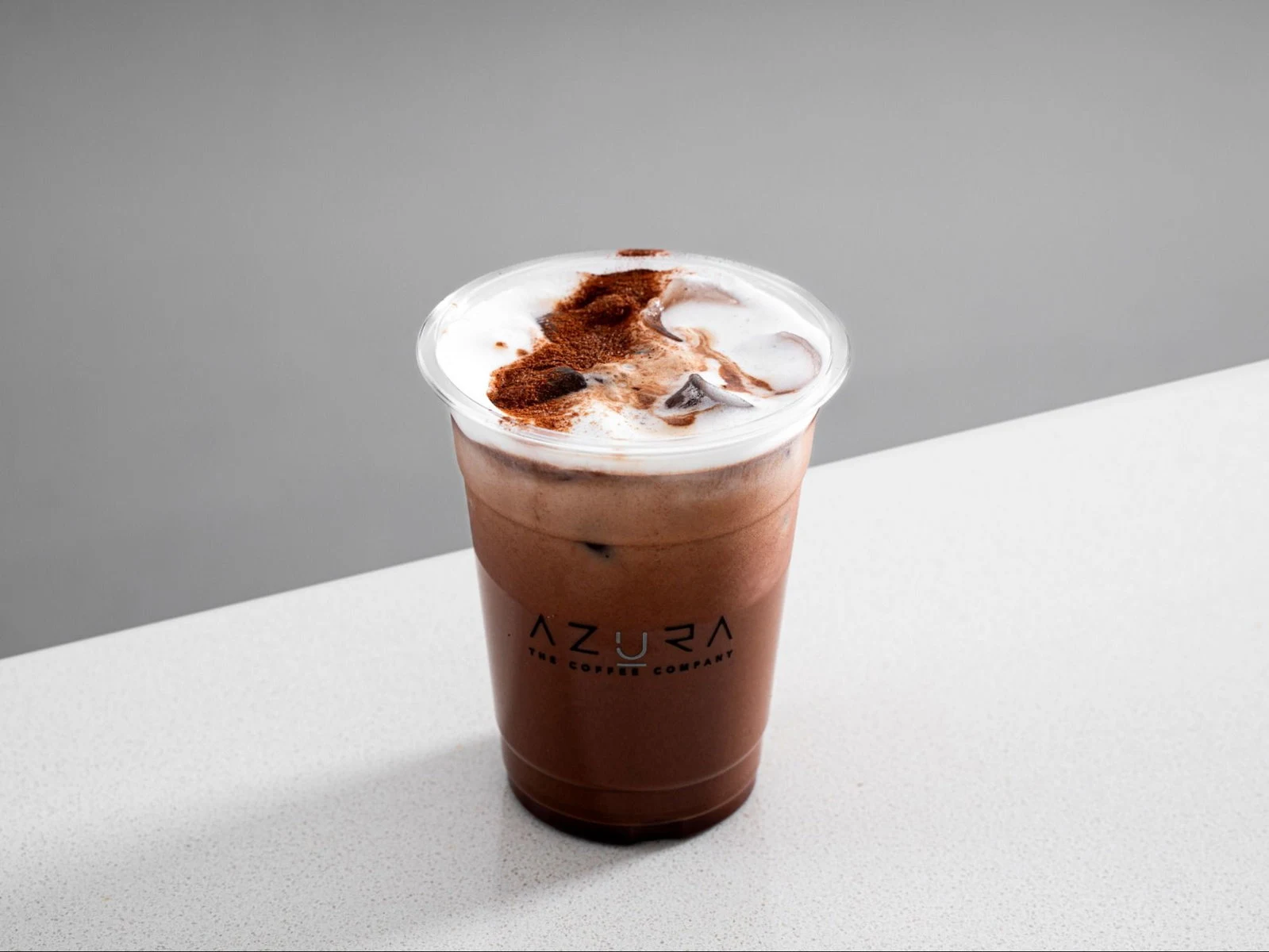
| Azura – The Coffee Company | Café | Muscat |
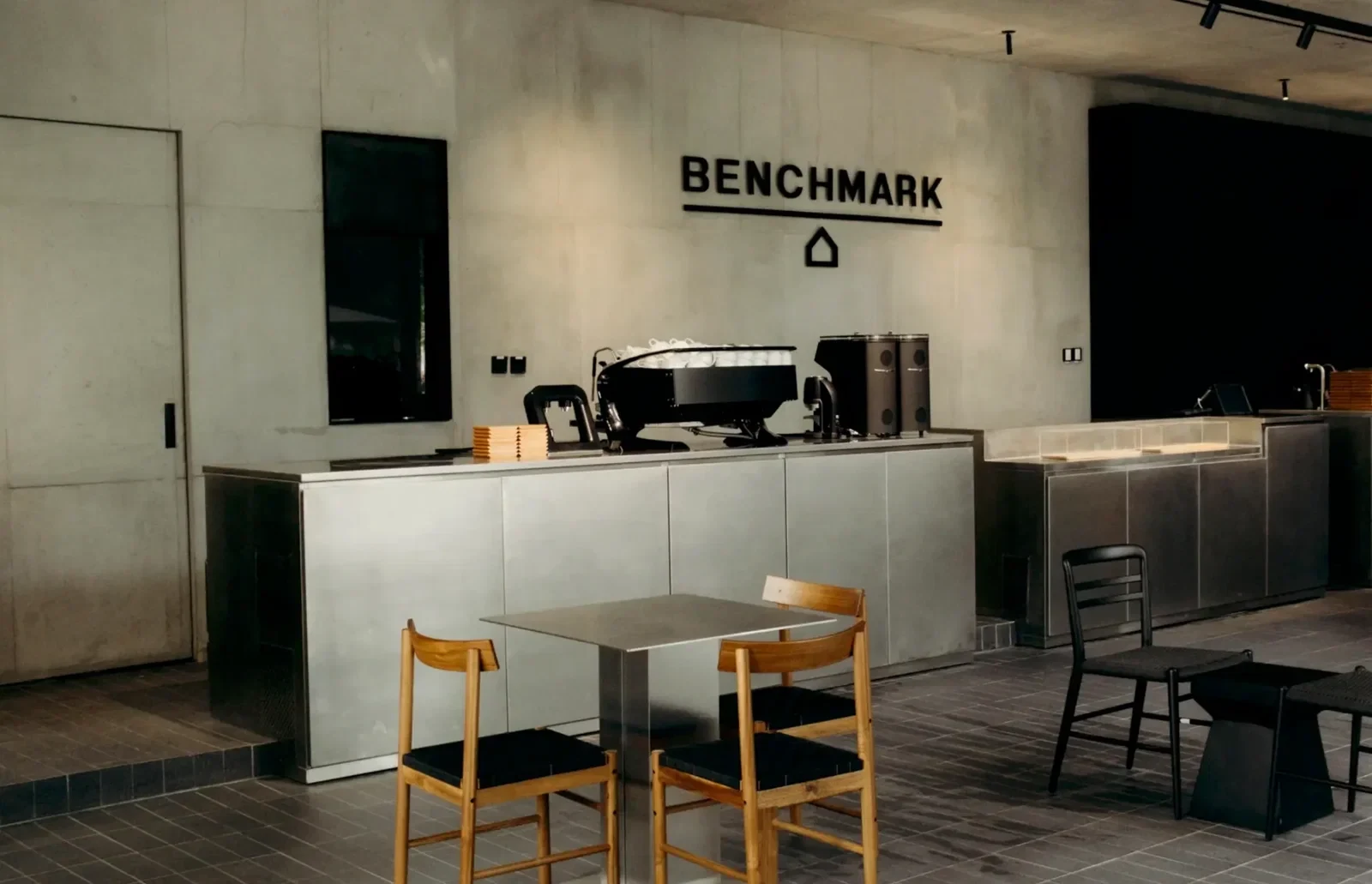
| Benchmark Coffee | Café | Aljada |
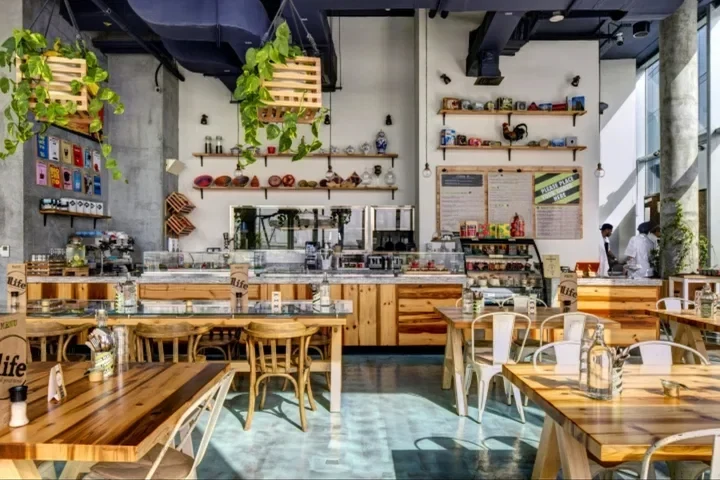
| One Life Kitchen & Café | Café | Dubai Design District (d3) |
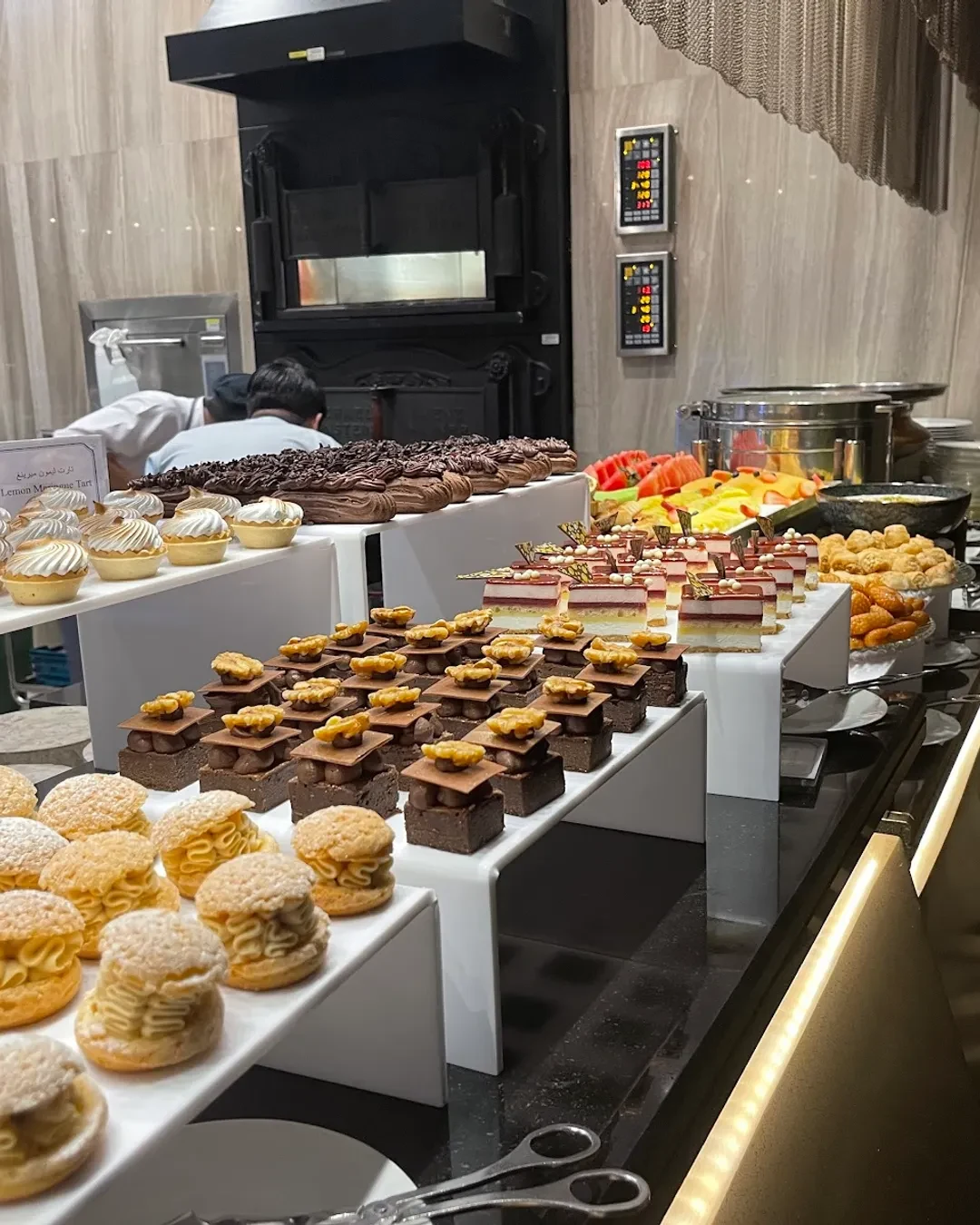
| The Patisserie at Address Dubai Mall | Bakery | Downtown Dubai |
| Maison de la Pâtisserie | Bakery | — |