Why go
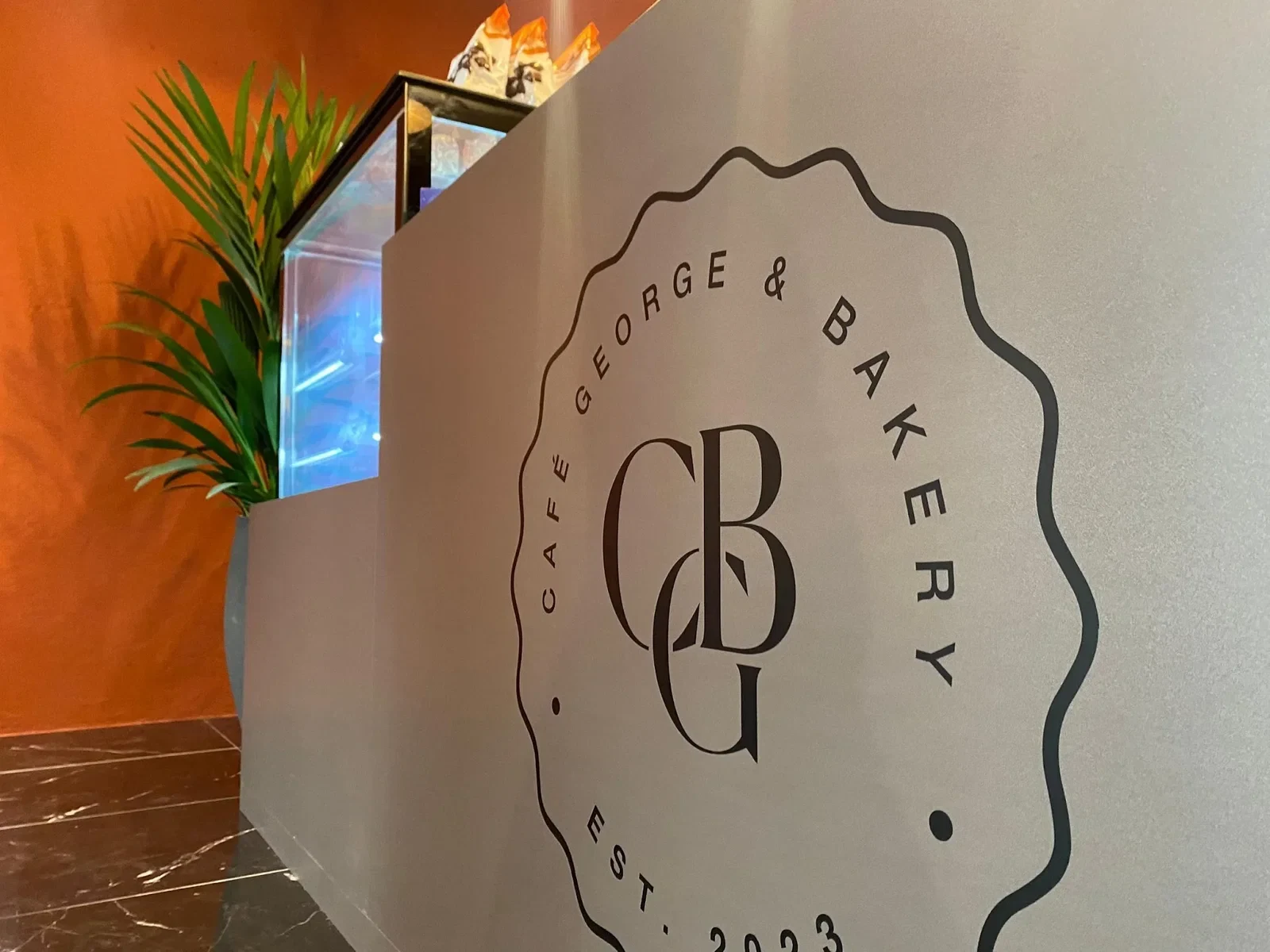
The bakery counter carries the room
Fresh breads and pastries do the work at this Accra café, which sits inside Kempinski Hotel Gold Coast City and its Galleria Mall rather than working as one of the hotel’s formal dining rooms. The case is stocked with homemade breads and pastries, sweet baking and homemade sandwiches, and the drinks run to coffee and tea specialities plus iced coffees and lighter, healthier options. The shape of the place is daytime and practical: a bakery case, a coffee stop and a light savoury bite in one setting, with everything built to eat indoors, outdoors or on the way to somewhere else. Nothing on the counter asks for a reservation or an occasion, which is the point of it.
Palms, local art and a room that stays informal
The setting keeps the café from reading as a generic hotel annexe. Tables look out toward the palms of the five-star grounds, and local artworks hang on the walls, giving the room a Ghanaian visual layer rather than the neutral finish most hotel bakeries settle for. Soft background music and the smell of coffee and baking do the rest. Service is counter-led rather than seated and coursed, which suits the way people actually use it: a morning pastry before the day starts, a mid-morning coffee, a sandwich break between meetings, a bag of bread carried back upstairs or out into the mall. The main decision most guests make is between an inside table, an outdoor seat and a takeaway bag, and all three work equally well.
Order an iced coffee, then pick from the bake
Start with the drink, because coffee and tea specialities are treated as a partner to the bakery rather than an afterthought. An iced coffee suits the warm Accra daytime, and from there the choice moves to a pastry, a fresh homemade bread, a homemade sandwich or something from the sweet baking. There is no tasting menu here and no single plated signature, and the range is deliberately broad rather than narrow, aiming at something for everyone rather than one perfected item. The appeal is a repeatable café ritual built on fresh brews and daily baked treats, which is exactly what a good hotel bakery should be for. Read it as a luxury-hotel amenity that stays deliberately informal and it works well: a bakery-led stop in Accra for anyone who wants bread, coffee and twenty quiet minutes.
Frequently asked questions
What should I order at Café George & Bakery?
Start with an iced coffee, which suits the Accra daytime and is treated as a partner to the bakery rather than an add-on. From there, choose from the case: a pastry, a fresh homemade bread, a homemade sandwich for something savoury, or one of the sweet bakes. Everything can be eaten in or carried out.
What does the bakery counter cover?
The bake is homemade rather than patisserie-formal: fresh breads through the day, pastries and sweet treats, and homemade sandwiches for the savoury side, with coffee and tea specialities and iced coffees alongside. It works as a bakery case and a coffee stop at once, so one visit can cover a morning pastry, a lunch sandwich, or a bag of bread to take away.
Compare nearby places
| Venue | Type | Area |
|---|---|---|
| Nozha Coffee & Take Away | Café | Hivernage |
| Thirty5ive Marrakech | Café | Gueliz |
| Slow coffee la Orotava | Café | La Orotava |
| Slow Coffee Tenerife | Café | Puerto de la Cruz |
| Rubia Coffee Roasters | Café | Kimihurura |