Why go
Chicory coffee, cafe au lait and beignets
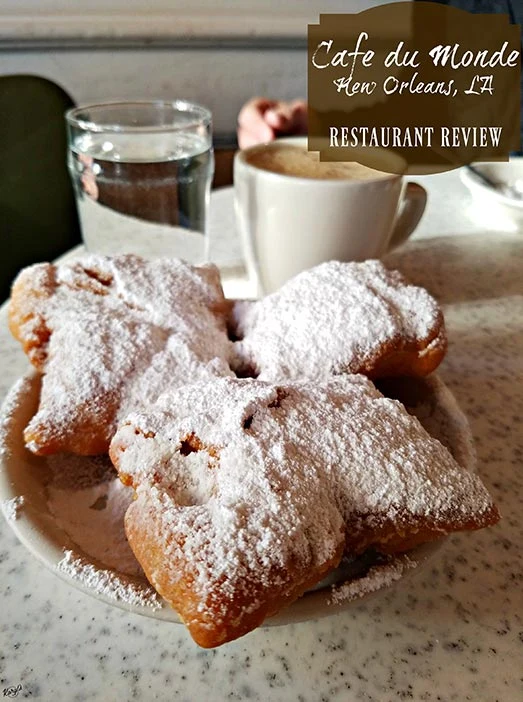
The order has not changed much since 1862: dark-roasted coffee cut with chicory, taken black or as cafe au lait, and three square beignets under a drift of powdered sugar. Cafe Du Monde is the original French Market stand, and its identity is unusually narrow for a coffee house of its fame, with no rotating single origins, no espresso flights and no loose-leaf tea service.
The chicory habit goes back to the Civil War coffee shortage, when New Orleans stretched what it had, and it stayed on as a taste rather than a necessity. Chicory adds body and a roasted bitterness that plain coffee does not have, which is why it stands up to hot milk. The beignets are the other half of the argument: square rather than ring-shaped, fried to order, sold in threes, and impossible to eat cleanly.
An open-air stand at landmark scale
The experience is casual and high-volume, shaped by the open-air format and the stand's position in the French Market. This is the oldest coffee house in New Orleans and the busiest, so a visit is as much a shared civic ritual as a coffee break, taken standing, sitting or waiting for a table under the awning. Seating runs to around 400, which gives a sense of the scale: a public room rather than a quiet place to work.
The menu has barely moved since the 1860s, and the short list around the coffee is part of the charm: white milk, chocolate milk, hot chocolate, fresh-squeezed orange juice, sodas, and iced coffee as a later addition. At the French Market stand, beignets are the only food.
Order the cafe au lait and the beignets
For a first visit, take cafe au lait and beignets, because those two carry the whole identity. The cafe au lait sets the house coffee against an equal measure of hot milk; the black coffee leaves the dark roast and the chicory exposed, which is the more instructive cup if you want to understand what chicory actually does.
The beignets arrive hot and heavily powdered, and the sugar goes everywhere, which is part of the deal rather than a flaw in the design. The strength of the stop is its restraint. A reputation this size rests on longevity, landmark status and a two-item menu that has outlasted almost everything around it.
Tags
Frequently asked questions
What should I order at Cafe Du Monde?
Cafe au lait and an order of beignets. The coffee is dark-roasted and blended with chicory, served black or half and half with hot milk, and the beignets come three to a plate, square rather than ring-shaped, under a heavy layer of powdered sugar. That pairing is the whole menu's argument.
What is chicory coffee?
Roasted chicory root blended into dark-roasted coffee, a New Orleans habit that began during the Civil War coffee shortage and stayed on as a preference. It adds body and a roasted bitterness that plain coffee does not have, which is why it holds its own against the hot milk in a cafe au lait.
Compare nearby places
| Venue | Type | Area |
|---|---|---|
| Cafe Beignet, Royal Street | Café | French Quarter |
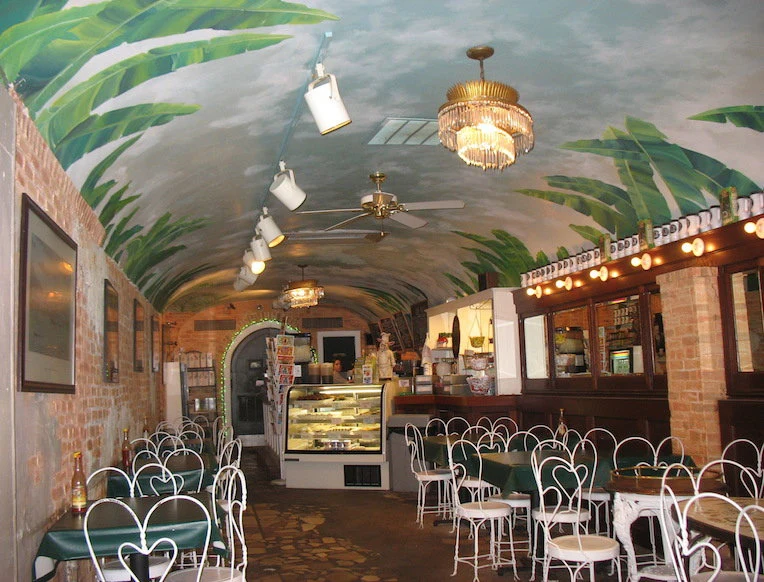
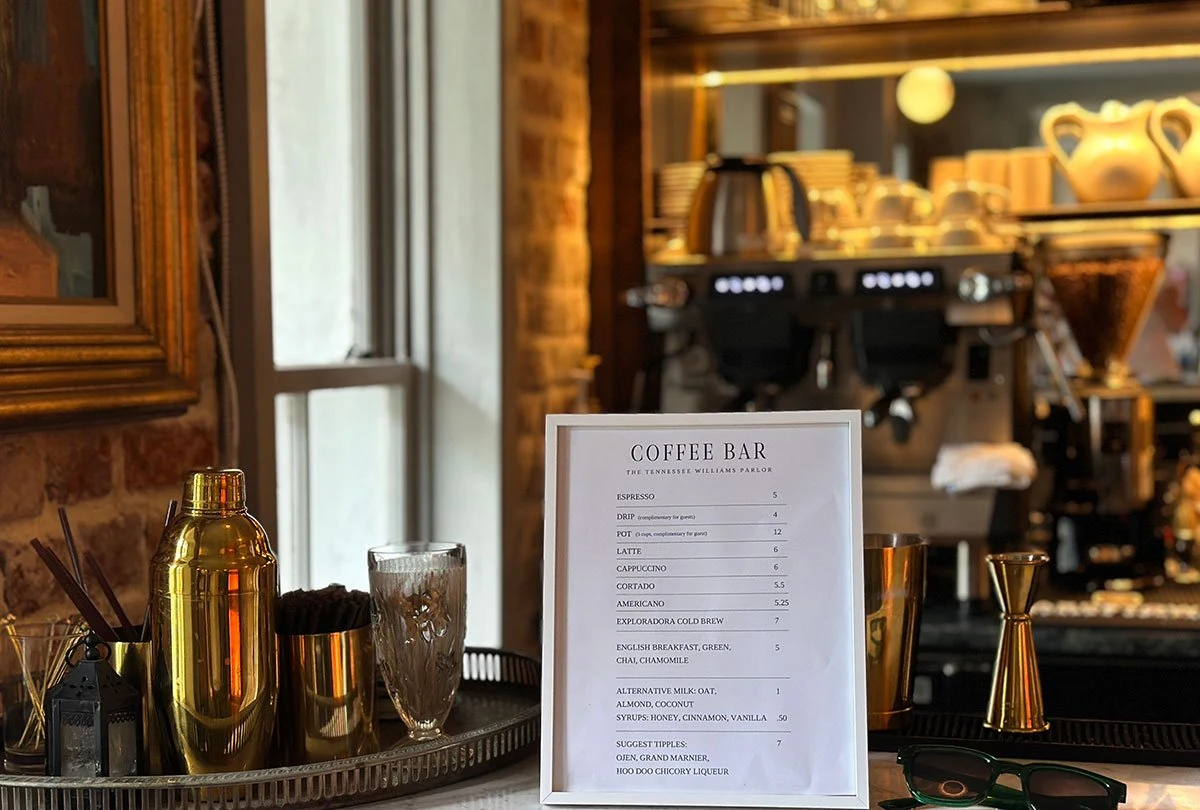
| Tennessee Williams Parlor Coffee Bar | Café | French Quarter |
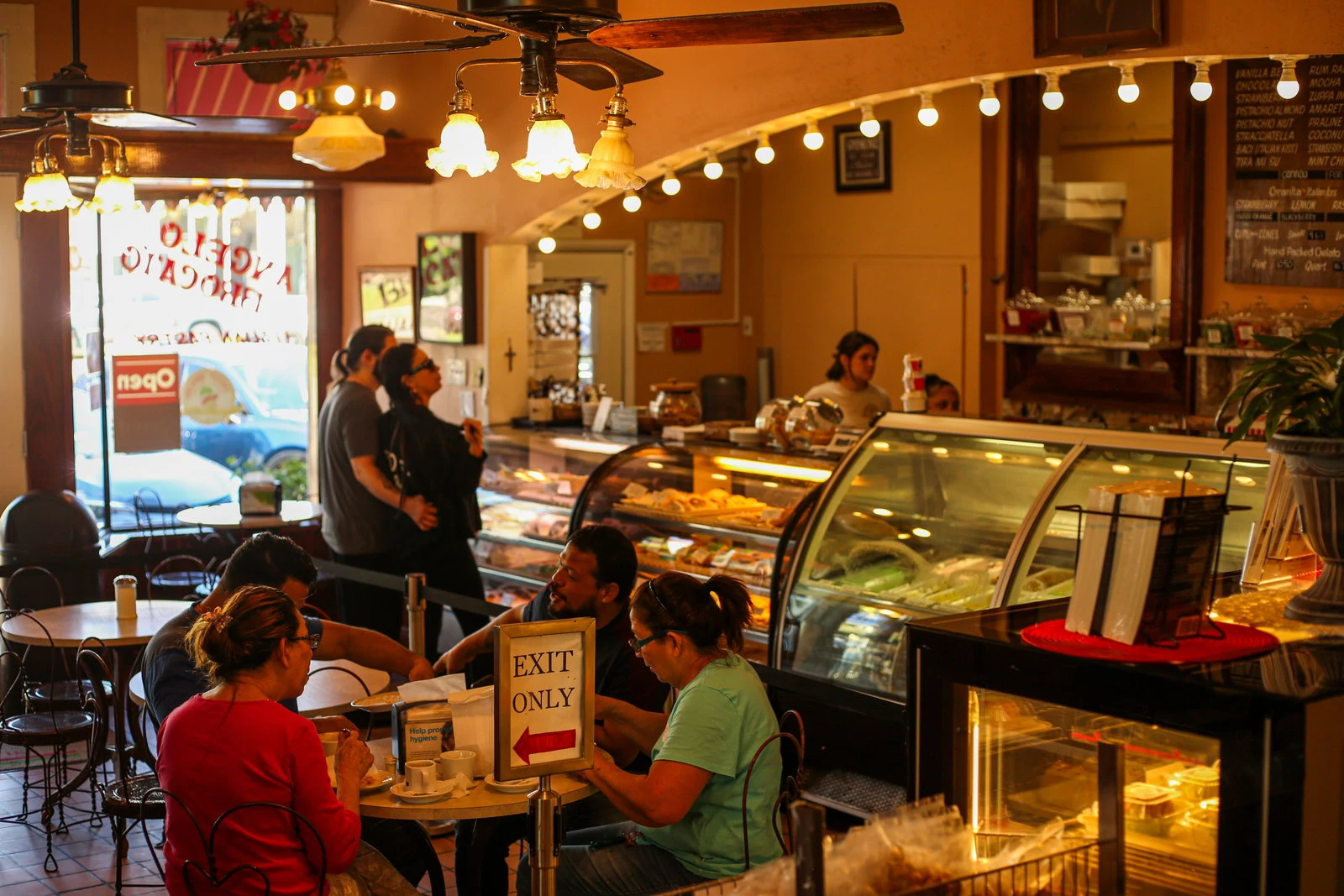
| Angelo Brocato Ice Cream | Café | Mid-City |
| Last Sunday Coffee Bar | Café | Central Business District/Downtown |
| Funny Library Coffee Shop | Café | Central Business District |