Why go
Royal Street and the Grammar of the French Quarter Morning
Royal Street has a particular rhythm in the early hours. The antique dealers are still pulling back their shutters, the ironwork balconies above are dripping with overnight damp, and the smell of frying dough moves through the corridor before most visitors have oriented themselves. Cafe Beignet at 334 Royal Street sits inside that sensory sequence, occupying a spot that feels less like a destination and more like a natural pause point, because the French Quarter has always needed somewhere to put down a coffee between the grandeur of its architecture and the exertion of its streets.
This block of Royal Street sits in the heart of the French Quarter, roughly between St. Louis and Conti, in a stretch that concentrates the Quarter's antique trade alongside a handful of restaurants that have learned to coexist with tourist traffic without being entirely defined by it. The neighbourhood context matters here because Cafe Beignet is best judged against what the French Quarter morning actually offers, and that context shapes how the experience lands.
Where Beignets Sit in New Orleans Breakfast Culture
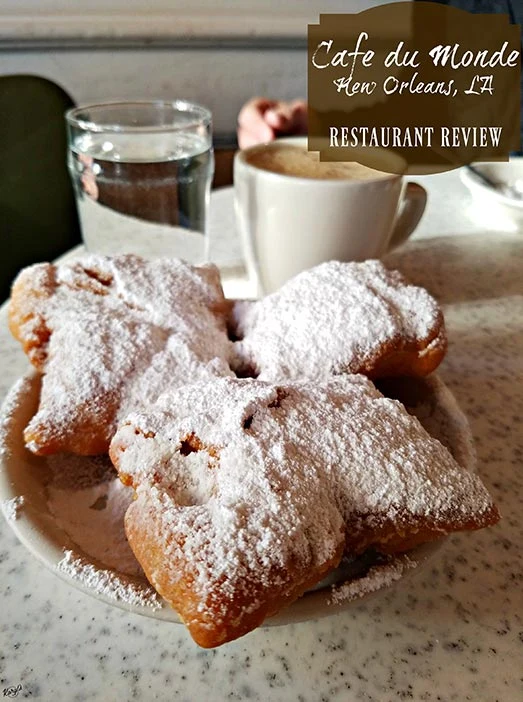
The beignet occupies a specific and non-negotiable place in New Orleans food culture. It is not a pastry in the European sense, not a doughnut in the American diner sense. It is a fried square of choux-adjacent dough, blanketed in powdered sugar, served in threes, and eaten with chicory coffee cut with hot milk. The ritual is as fixed as the food itself. Café Du Monde, operating from its open-air stall at the French Market since 1862, owns the reference-point position for beignets in the city, the queue on a weekend morning makes that plain. Cafe Beignet exists in the same category, serving the same item with the same cultural logic, but operates as a sit-down alternative in a covered, interior space rather than an open-air counter.
That distinction matters to the visitor making a practical decision. The French Quarter's beignet spots are not competing on product differentiation, the beignet itself varies little across the category. They compete on access, atmosphere, and how much of the surrounding city noise you want filtering into your coffee. Cafe Beignet's Royal Street address puts it inside a calmer corridor than the riverfront, with the street's gallery and antique character providing a different frame than the Decatur Street crowds.
The French Quarter's Layered Dining Ecosystem
The French Quarter contains one of the most compressed and historically layered dining ecosystems in the United States. Within walking distance of 334 Royal Street, the options span from the casual and counter-service end of the spectrum up through white-tablecloth Creole institutions and modern tasting-menu formats. Bayona, on Dauphine Street, has held its position in the neighbourhood's serious dining tier for decades, operating in a converted Creole cottage with a menu that draws on Mediterranean and Southern influences. Further into the Quarter's dining map, newer formats like Re Santi e Leoni represent the contemporary end, while Saint-Germain operates at the high end of the city's contemporary tasting menu tier.
Cafe Beignet occupies none of those registers. It is firmly in the casual, daytime, walk-in tier, the part of the French Quarter food map that exists for mornings, mid-afternoon breaks, and the kind of eating that requires no reservation and no particular commitment beyond the time it takes to finish a cafe au lait. That is not a diminishment. In a neighbourhood that can feel relentlessly curated toward tourist maximalism, a functional, affordable breakfast counter performs a genuine service.
For visitors building a fuller New Orleans itinerary, the French Quarter works well as one layer among several. The city's serious contemporary dining, places like Zasu in the American contemporary tier, tends to operate outside the Quarter's core. Emeril's, now a landmark of its own kind, anchors the Warehouse District. Our full New Orleans restaurants guide maps the city's dining across neighbourhoods for readers planning across multiple meals.
How Royal Street Shapes the Experience
Cafe Beignet is best understood through Royal Street itself. The street runs parallel to Bourbon, one block toward the river, and the gap between the two contains most of what differentiates the French Quarter for a returning visitor versus a first-timer. Bourbon Street's noise and neon are a deliberate performance. Royal Street is slower, more architectural, more given to the kind of window-shopping that belongs to the Quarter's nineteenth-century commercial identity. A cafe that sits at this address inherits that character by proximity. The visitor arriving along Royal from Canal Street is already in a different mood than one arriving from Bourbon, and the experience of stopping for beignets reads differently in that context.
This is a point worth making because the French Quarter's casual breakfast spots are often evaluated solely on the product. The beignet is the beignet. What shifts across the category is the surrounding frame, the width of the street, the sound level, the quality of the light through the door, whether you are eating in front of antique armoires. Royal Street sets one particular kind of frame.
Planning Your Visit
Cafe Beignet at 334 Royal Street operates in the walk-in tier, no reservation infrastructure applies at this category of venue, and the French Quarter's daytime foot traffic means the practical question is timing rather than booking. Mornings in the Quarter build quickly after 9am on weekends, and the corridor between Bourbon and the river fills with visitors before the antique shops have fully opened. Arriving before that window gives a different, quieter version of the street. For visitors connecting Cafe Beignet into a broader New Orleans day, the Royal Street address places it within easy walking distance of the Quarter's main dining and cultural corridor, making it a natural opening move before moving to the city's more ambitious lunch or dinner options. Cafe Beignet is walk-in friendly, with regular hours from 7 AM to 6 PM Monday through Thursday and Sunday, and 7 AM to 8 PM Friday and Saturday. Expect a casual, affordable stop at about $15 per person.
Frequently Asked Questions
- What dish is Cafe Beignet, Royal Street famous for?
- Beignets are the defining item at Cafe Beignet, as the name indicates. In New Orleans, beignets are fried squares of dough served heavily dusted with powdered sugar, typically accompanied by chicory coffee or cafe au lait. The dish has deep roots in the city's French Creole culinary tradition and is one of the few foods in New Orleans that functions as both a cultural signifier and a daily staple across all demographics.
- Do they take walk-ins at Cafe Beignet, Royal Street?
- Casual counter-service and cafe formats in the French Quarter generally operate on a walk-in basis, and Cafe Beignet fits that pattern. If you are visiting New Orleans during peak periods, particularly around Mardi Gras or Jazz Fest, when the Quarter operates at capacity, expect the street itself to be congested and build in extra time. No formal reservation system applies at this category of venue.
- What do critics highlight about Cafe Beignet, Royal Street?
- In the context of New Orleans breakfast culture, beignet spots are generally evaluated on consistency of the fried dough, the quality of chicory coffee, and the atmosphere of the surrounding space rather than on innovation. For the city's award-recognised dining, venues like Bayona and the tasting-menu tier represent a different register entirely.
- What if I have allergies at Cafe Beignet, Royal Street?
- Specific allergen and dietary information is not provided for this venue. Given that beignets are a fried wheat-based product, gluten is a baseline consideration, and frying environments typically involve shared oil. Anyone with serious allergies should contact the venue directly before visiting. New Orleans as a city has a growing awareness of dietary requirements across its restaurant sector, but confirmation at the venue level is always advisable.
- Is Cafe Beignet, Royal Street good value for money?
- Within the New Orleans breakfast category, beignet-focused cafes sit at the affordable end of the spectrum. The product is simple, the format is casual, and the price point across this category in the French Quarter reflects that. Compared to the city's higher-end dining, the contemporary tasting-menu tier represented by venues like Saint-Germain, a cafe au lait and beignets represent a very different kind of transaction. A typical visit costs about $15 per person.
- How does Cafe Beignet on Royal Street differ from the French Quarter's other beignet options?
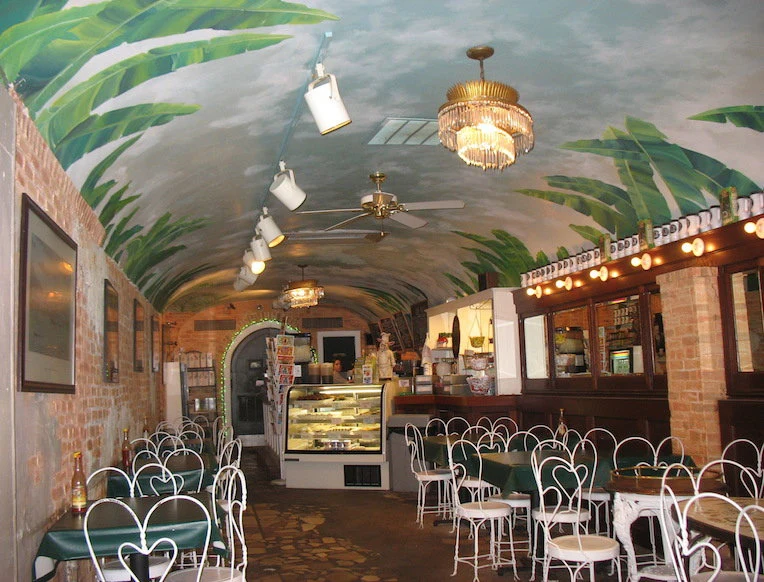
- The French Quarter's beignet category is anchored by Café Du Monde at the French Market, which operates as an open-air pavilion on Decatur Street and has done so since 1862. Cafe Beignet on Royal Street offers an interior, covered alternative on a quieter corridor, which changes the atmospheric experience considerably. For visitors who find the Decatur Street riverfront too congested, the Royal Street address provides the same category of food in a different neighbourhood frame, one shaped by the street's antique and gallery character rather than by proximity to Jackson Square's tourist traffic.
Readers interested in how American fine dining compares across cities will find relevant context in our coverage of venues like Le Bernardin in New York City, Lazy Bear in San Francisco, The French Laundry in Napa, Smyth in Chicago, Single Thread Farm in Healdsburg, Providence in Los Angeles, Blue Hill at Stone Barns in Tarrytown, Addison in San Diego, The Inn at Little Washington, Frasca Food & Wine in Boulder, Atomix in New York City, and Atelier Moessmer Norbert Niederkofler in Brunico.