Why go
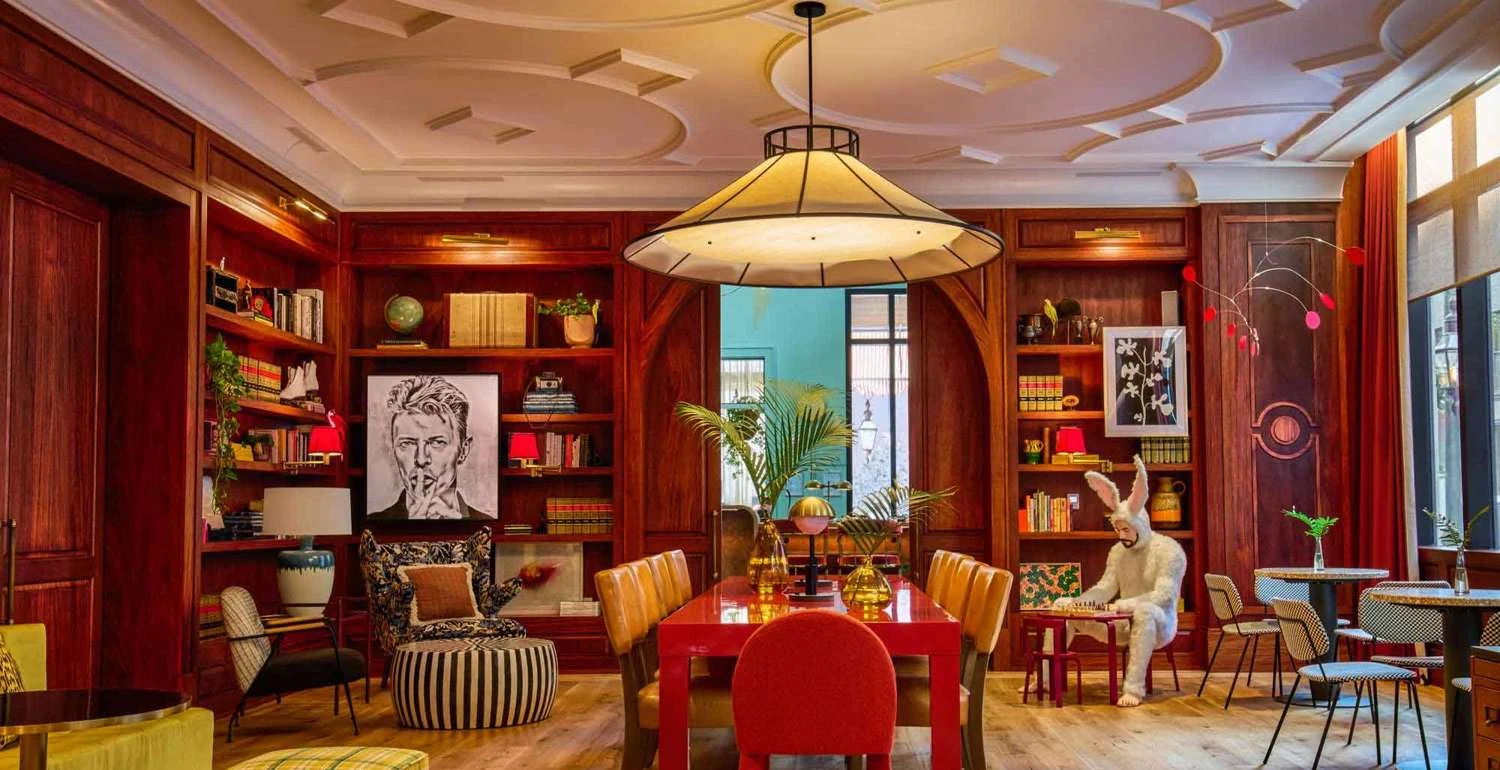
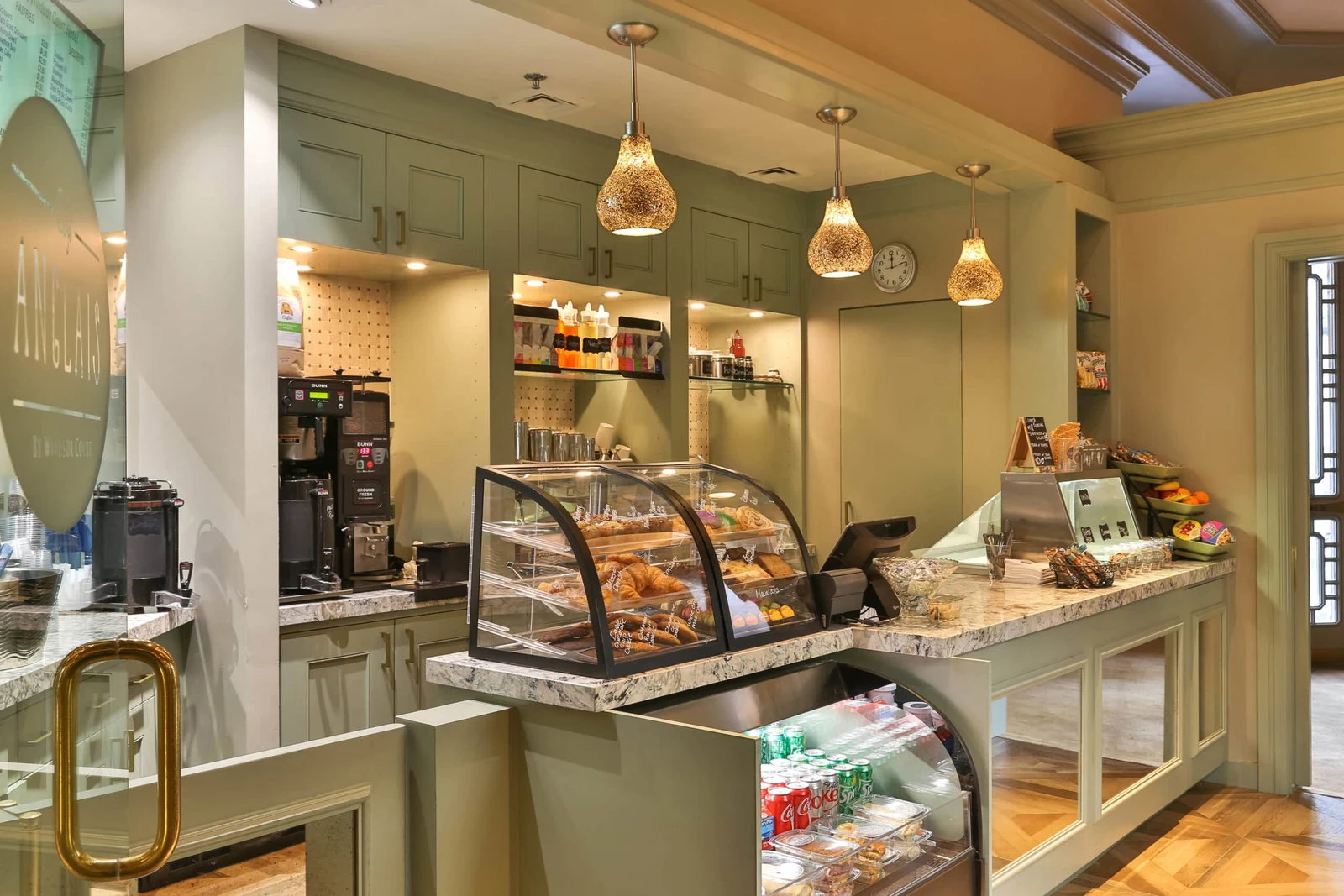
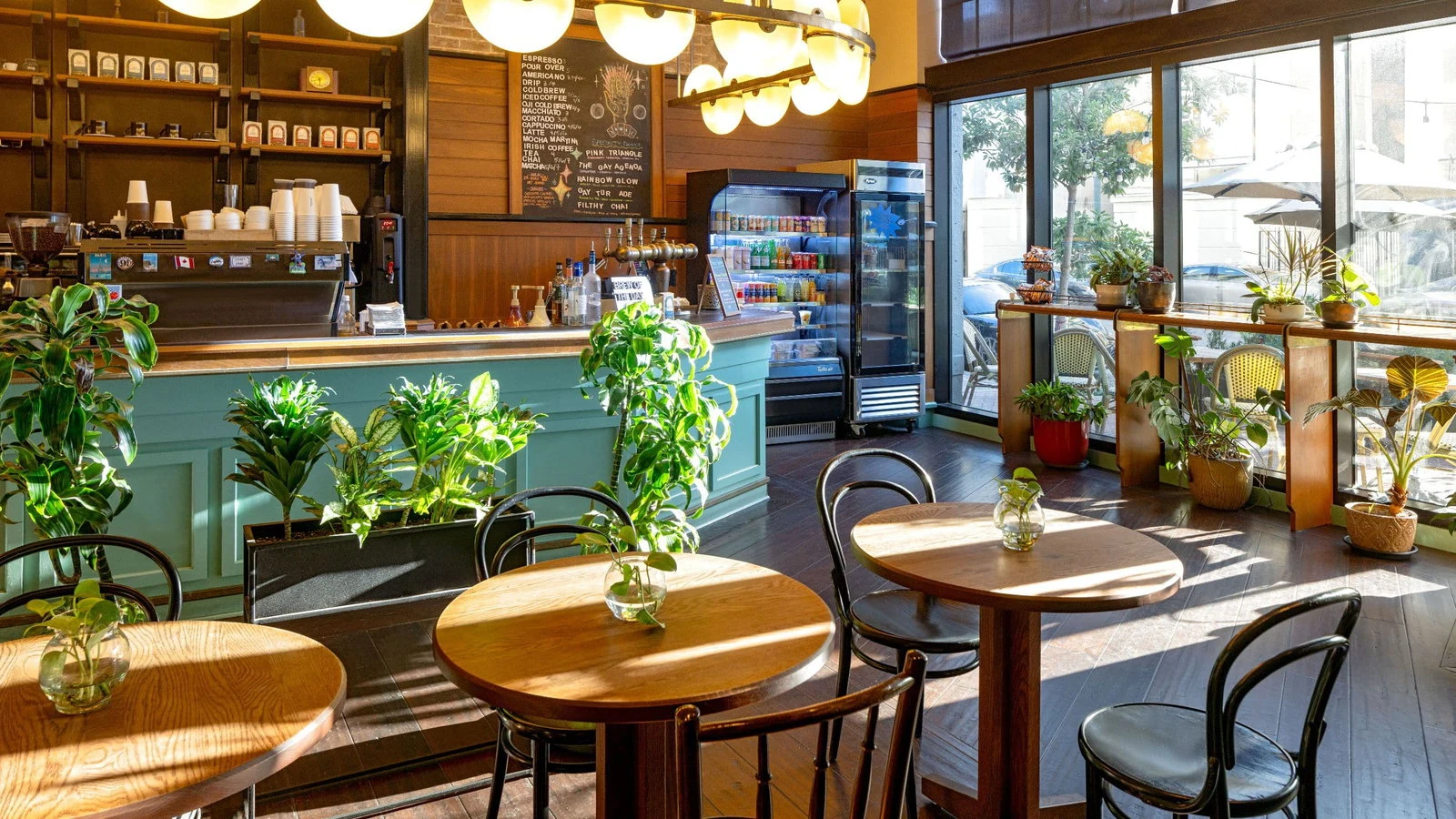
Carondelet Street gives New Orleans hospitality a charge: less postcard French Quarter, more working downtown edge, with office towers, galleries, hotels, and late-start mornings feeding the same blocks. Café at The Barnett sits in that mix, where a hotel café must be more than lobby convenience. Here, even casual formats are judged against a deep food culture built on Gulf seafood, Louisiana produce, French and Spanish inheritance, Creole technique, and the daily utility of coffee, bread, and breakfast plates.
The useful way to read a café here is through sourcing and restraint. New Orleans can turn theatrical quickly, and hotel dining often leans on brass, tile, and nostalgia instead of food with a point of view. Stronger downtown rooms use the regional pantry without making every plate a history lesson: what comes from the Gulf, what nearby farms supply, how much spice is doing real work, and whether the kitchen knows local flavor is not heaviness.
Downtown café cooking in a city that takes mornings seriously
New Orleans breakfast and all-day café culture carry unusual pressure because the city’s dining day rarely follows a clean metropolitan script. Visitors may be recovering from late nights; locals may be fitting a meal between work, errands, and a second-line calendar that ignores conventional timing. A hotel café succeeds when it absorbs different tempos without becoming anonymous. Café at The Barnett belongs to that practical category: its value lies in how well the city’s ingredients and habits translate into an accessible format.
That matters because New Orleans has overlapping casual traditions: the neighborhood counter, po’ boy shop, seafood house, Creole lunch room, bakery-café, and newer hotel dining room linking design-conscious travel with local taste. The Barnett’s café format falls into the last group, but the better version is not polish for its own sake. It is food anchored to Louisiana’s actual supply chain: seafood from nearby waters, seasonal vegetables, regional grains, coffee culture, and seasoning that builds rather than shouts.
For a broader read on how the city’s casual end compares with sharper independent kitchens, 1000 Figs shows the small-plate neighborhood side, while Acamaya (Mexican (Mariscos)) points toward the city’s growing seafood conversation beyond classic Creole framing. 34 Restaurant & Bar ($$$ · Portuguese) is useful because Portuguese cooking brings another Atlantic seafood grammar into a city already fluent in brine, smoke, and fat. Café at The Barnett sits in a quieter lane, but shares the larger question: how much local identity can a room carry without overexplaining itself?
Ingredient signals matter more than hotel polish
In New Orleans, sourcing is not a luxury talking point; it is the foundation of credibility. Gulf catch, rice, cane, citrus, greens, and the long shadow of Creole markets give kitchens a vocabulary that needs no imported drama. A hotel café can flatten that into generic American comfort, or let the region shape the menu’s rhythm. The Barnett address gives Café at The Barnett an audience of travelers, downtown workers, and locals moving between the Central Business District and the Warehouse District, so the cooking has to read clearly at breakfast and lunch without requiring tasting-menu attention.
That is where the format helps. New Orleans has formal dining rooms with ceremony and neighborhood restaurants with generational memory; the café can bridge them. It can make local produce and Gulf flavors legible in a shorter meal, without the cost or time commitment of a full dinner reservation. In a city where visitors often overbook marquee meals, a credible café becomes itinerary structure rather than filler.
The nearby comparison set clarifies the position. 3rd Block Depot and 13 represent other casual city modes, while Herbsaint remains tied to American Regional-Cajun cooking at a more restaurant-defined level. Seaworthy, Funny Library Coffee Shop, and Brutto Americano each speak to versions of hotel or downtown hospitality, from seafood to coffee-shop ease to aperitivo-minded drinking. Café at The Barnett should be judged in that context, not against a white-tablecloth Creole institution: the question is whether it gives the day a local center of gravity.
How to place it within a New Orleans itinerary
The smartest use case is not replacing the city’s more ambitious dinner reservations. It is a downtown anchor when the day calls for New Orleans context without New Orleans excess. That makes it especially relevant for travelers staying in or near the Warehouse District, moving between museums and the Central Business District, or pairing hotel convenience with a food culture that rewards attention even at the casual end.
Readers mapping a fuller city plan should use Our full New Orleans restaurants guide for dining range, Our full New Orleans hotels guide for where to stay, Our full New Orleans bars guide for the city’s drinking culture, Our full New Orleans wineries guide for wine-led planning, and Our full New Orleans experiences guide for cultural structure around the meals. For cross-city comparison, the casual-format question looks different at Jōdo Saké Bar in Los Angeles, Onigiri Time in Pasadena, ¿Por Qué No? in Portland, 'Ai Love Nalo in Waimanalo Beach, 'āina in San Francisco, 'Ama 'Ama in Kapolei, -Grilled beef Sukiyaki- KAMAKURA TANUKIAN 鎌倉 たぬき庵 in Kamakura, and ¡Salud! in Los Angeles, where local identity is carried through different ingredients, service rhythms, and price expectations.
The editorial verdict is practical: Café at The Barnett is most persuasive as part of New Orleans’ daily dining fabric, not as a destination dining claim. In a city where ingredient memory runs deep, the measure is simple. If the café lets Louisiana’s pantry shape the meal without turning the room into a theme, it earns its place in a serious downtown itinerary.