Why go
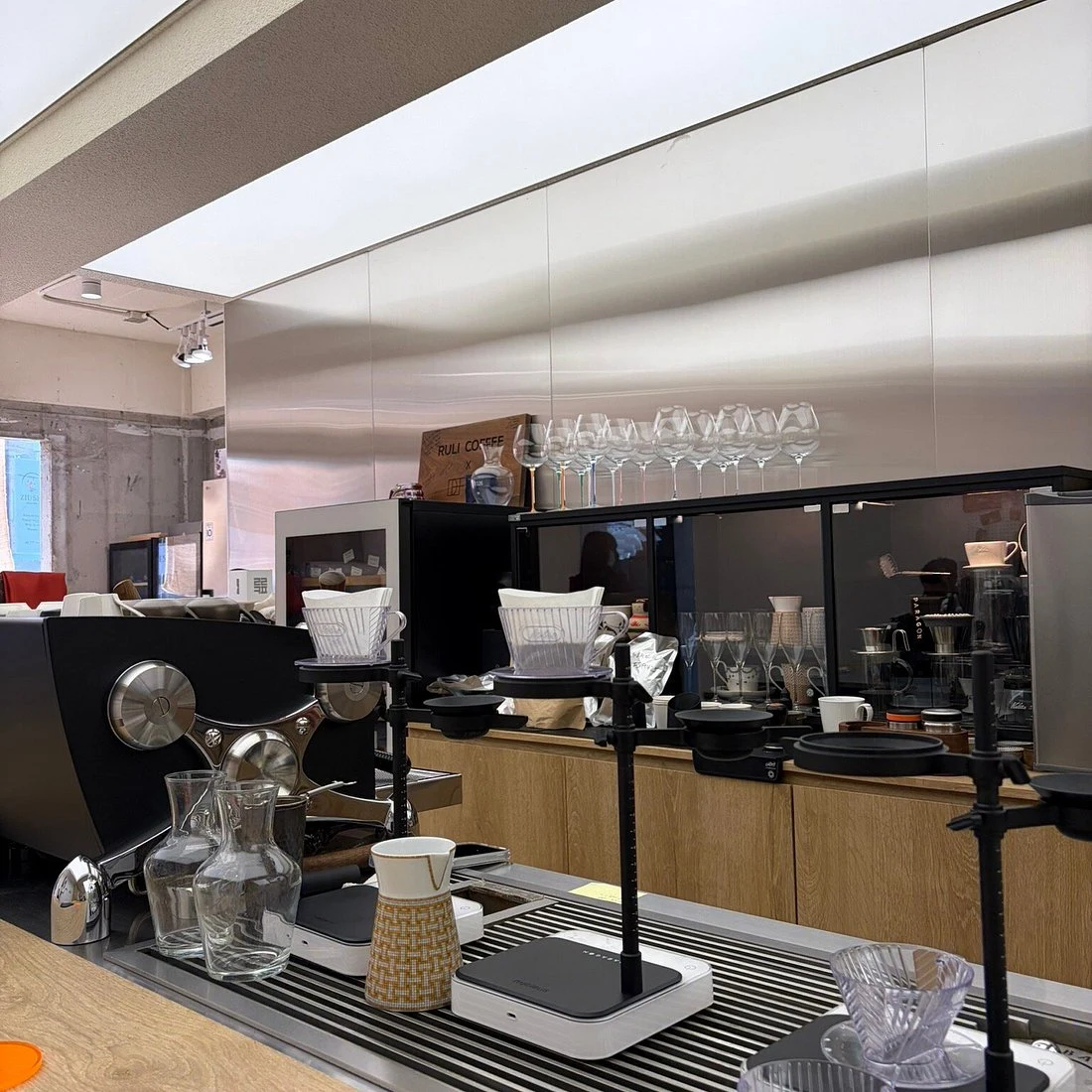
The bar is built around the pour-over
Order a pour-over and you get the clearest version of what this company does. Blue Bottle arrived in Korea in 2019, a little over a year after the expansion was announced, carrying the method it has kept since James Freeman started the company in Oakland in 2002: beans roasted in small batches and served while they are still at their best. In Seoul that shows up as a coffee-led counter rather than a cafe with a kitchen attached, and espresso, filter and cold coffee all come off the same short list of house roasts.
Bella Donovan is the signature blend and the steadiest way in, familiar across the group's cafes. Single-origin releases rotate alongside it, a Colombia Huila among them, and that is where the sourcing side of the programme becomes visible. The cold brew is deliberately plain in composition, made from nothing but water and coffee, and it is the drink the brand pushes hardest for warm days and for carrying out.
A room built for drinking and browsing
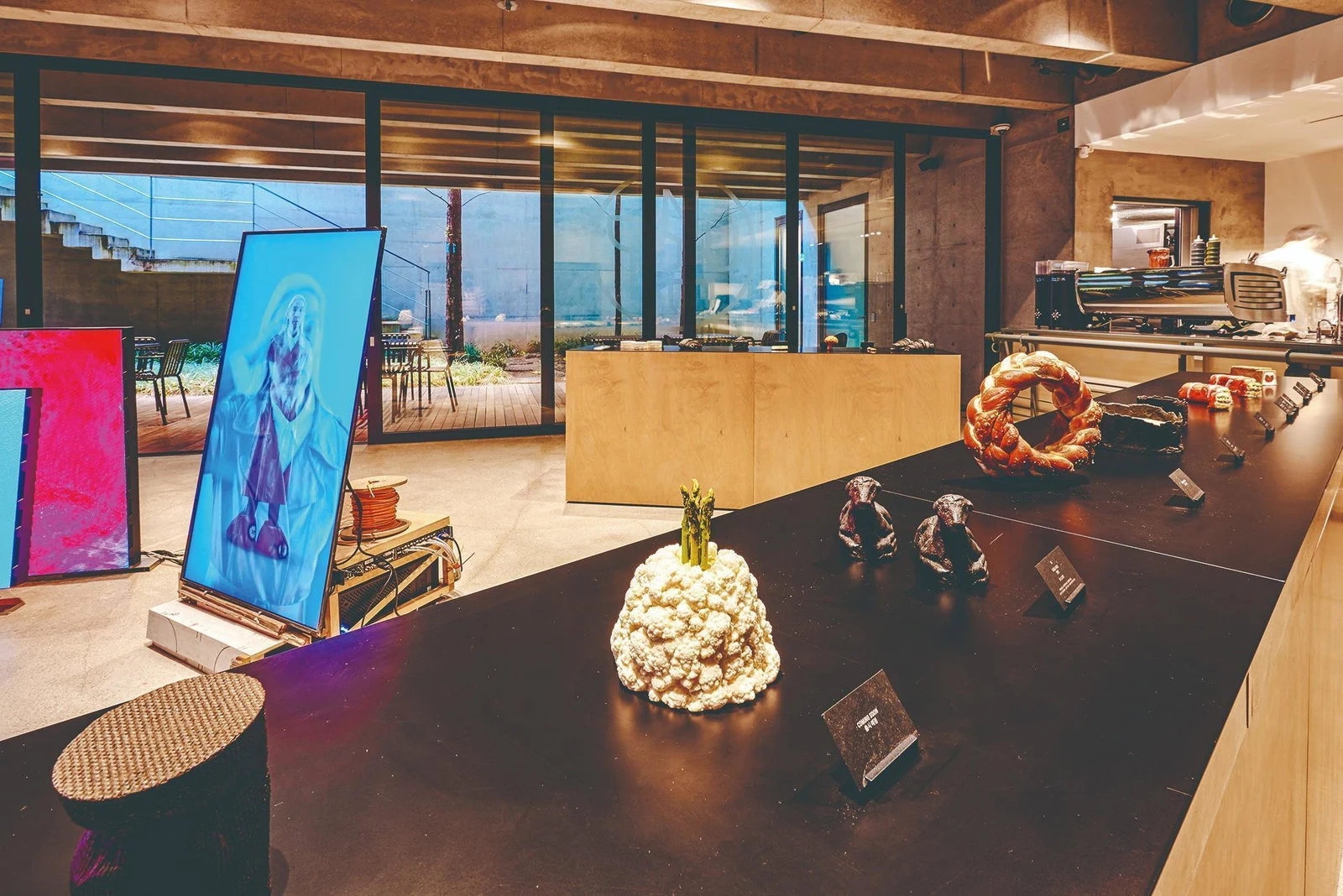
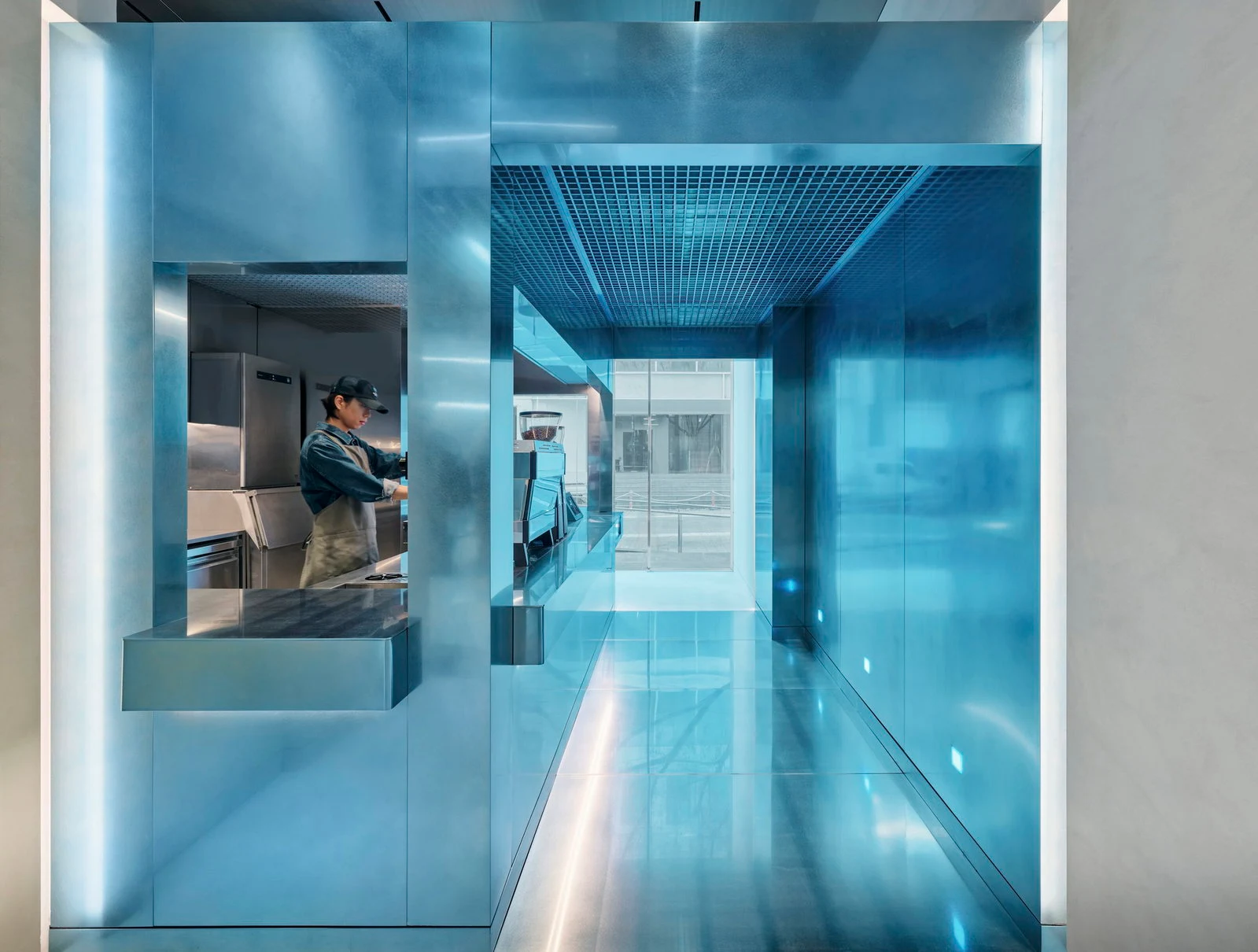
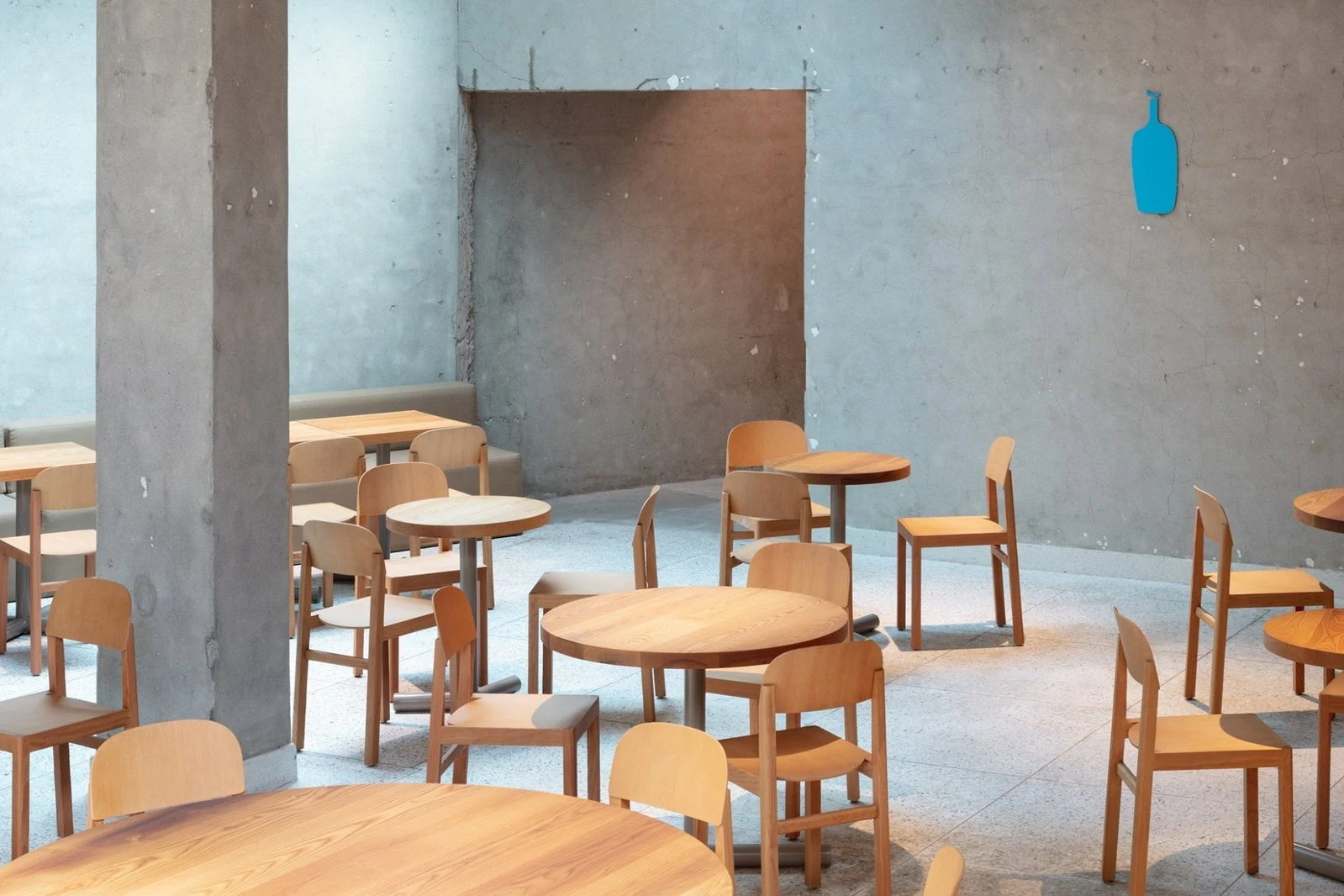
The setting is minimalist and modern, closer to a design object than a lounge: clean lines, hard surfaces, and the equipment kept in view so the making of the coffee is part of what you are looking at. It is calm without being hushed, and it suits a short sit better than a long afternoon.
Retail is the other half of the room. The Korean shelves carry beans, mugs and tumblers, travel coffee sets, drippers, carafes and filters, plus seasonal merchandise, all of it pointed at repeating the cafe's brewing at home. Blue Bottle has said it wants each cafe to be a distinct expression of craft rather than a copy of the last one, and the Seoul rooms are the branded version of that idea.
Order Bella Donovan, then the cold brew
Start with Bella Donovan as a pour-over. It is the house reference point, and pour-over is the method the company builds its equipment range around, so the cup and the shelf agree with each other. If a single origin such as the Colombia Huila is on, take that instead for a sharper read on the season.
Cold brew is the second order and the easiest one, clean and unsweetened, water and coffee and nothing else. Espresso drinks sit behind both, useful if you want milk in the cup but less revealing about the roast. If the coffee lands, the dripper and filters on the shelf are the logical way to take it home.
Tags
Frequently asked questions
What should I order at Blue Bottle Coffee in Seoul?
A pour-over of Bella Donovan, the house blend, is the clearest read on the roasting, and pour-over is the method the company builds its home equipment around. If a single origin such as the Colombia Huila is on, take that instead. The cold brew, made only from water and coffee, is the easiest order.
Is there anything to buy besides a drink?
Yes. The shelves carry whole beans, mugs and tumblers, travel coffee sets, drippers, carafes, filters and seasonal merchandise, all of it aimed at repeating the cafe's brewing at home. That retail side is a real part of the room rather than a rack by the door, which suits the pour-over focus.
Compare nearby places
| Venue | Type | Area |
|---|---|---|
| NUDAKE Haus Dosan | Café | Apgujeong / Gangnam-gu |
| Blue Bottle Myeongdong Cafe | Café | Myeong-dong |
| Ruli Coffee | Café | Myeong-dong / Jung-gu |
| Thanks, Oat | Café | Bukchon / Anguk (Jongno-gu) |
| 광장시장 일호상회 (ilhomarket) | Café | Jongno District |