Why go
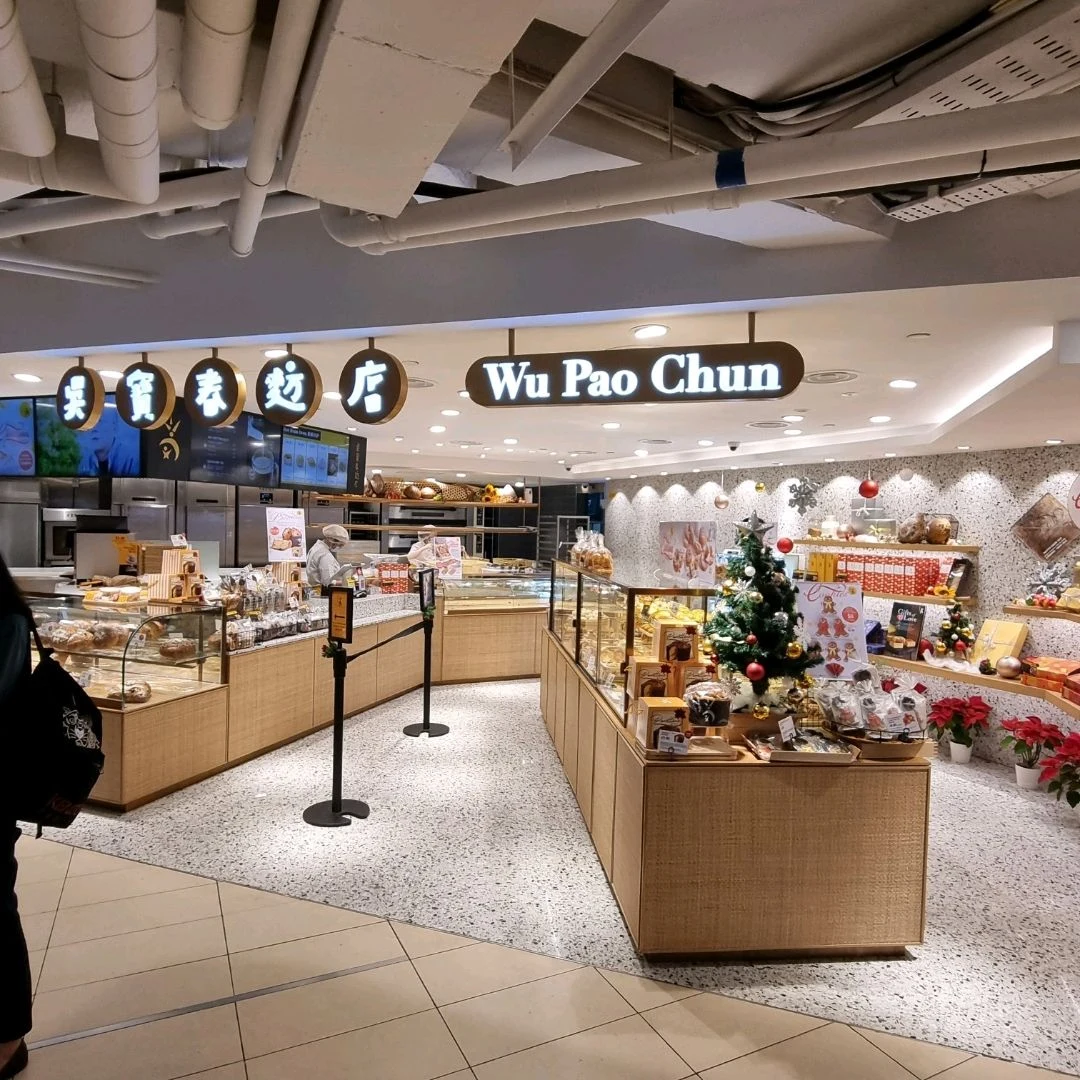
The loaf to look for is a boule scented with rose petals, millet wine and dried lychees: the bread that won the 2010 Bakery Masters in Paris and made Wu Pao-chun the first Taiwanese and first Asian baker to take the title. The Xinyi District flagship in Taipei sells it alongside the red wine longan loaf, durian bread, mentaiko buns and panettone.
From Pingtung apprentice to champion baker
Wu Pao-chun was born in Pingtung County in 1970 and started training as a teenager in Taipei, working through bakeries and later a Kaohsiung bakehouse before leaving a head baker's job in 2008 to concentrate on competition breads made from Taiwanese ingredients. Team work came first, at the Taipei International Bakery Show, the Louis Lesaffre Cup and the world final in Paris, where Taiwan finished second in 2008. The individual title followed in 2010. He incorporated the company that May, opened the original Kaohsiung shop in November, and brought the brand to Taipei in 2018.
Small batches, Taiwanese ingredients
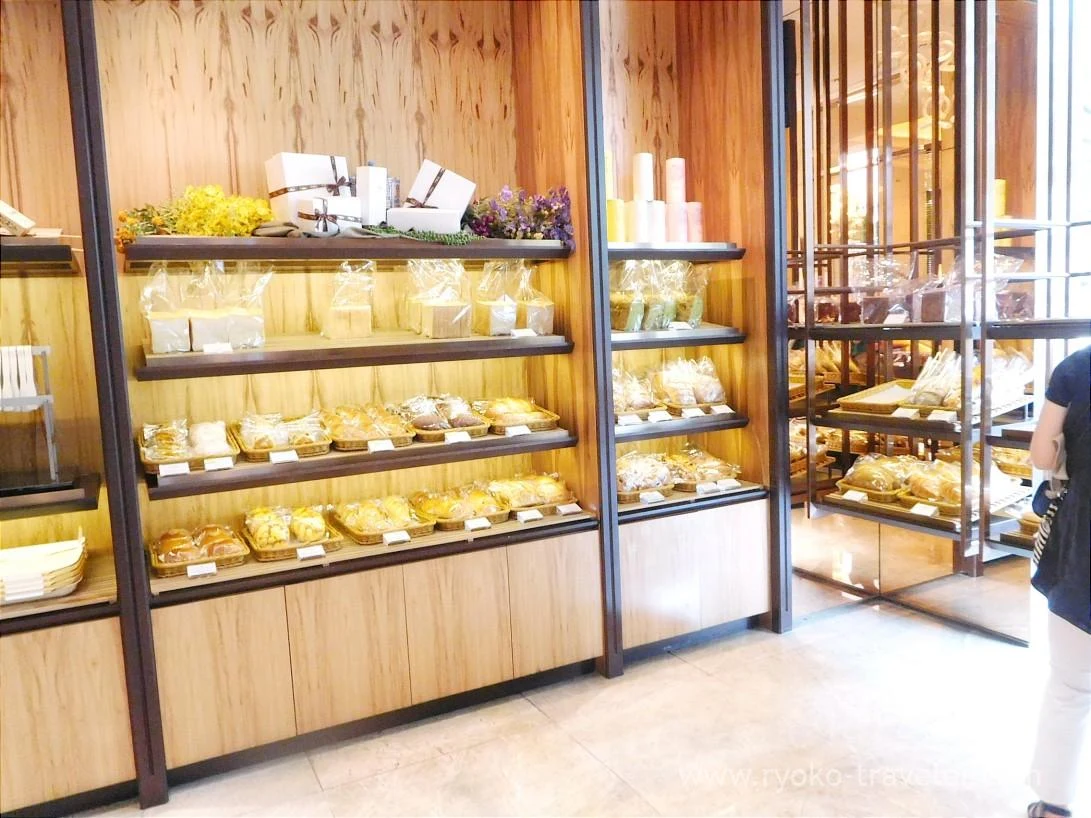
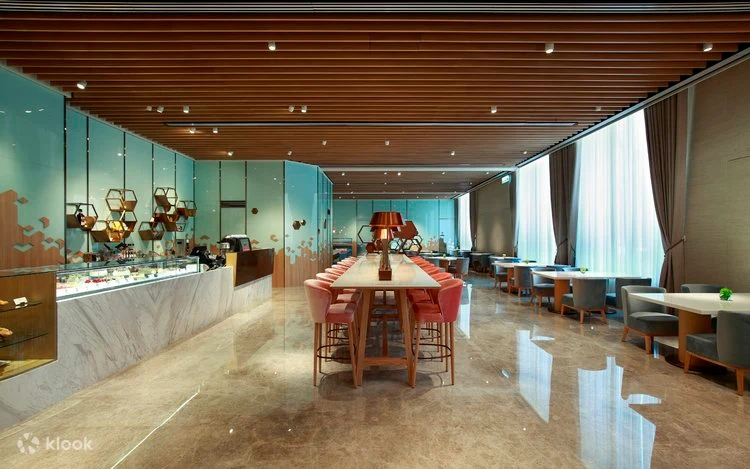
The house style is hand-kneaded dough in small batches, custom flour blends and no frozen dough, with Taiwanese produce carried into European bread forms. Roses come from organic growers in Puli, Nantou; the longans are smoked and dried in Dongshan, Tainan; the millet wine is the kind associated with Taiwan's indigenous communities. The Taipei room follows the same ambition, a spacious modern shop where loaves sit out on open racks rather than being stacked into a volume display. After the 2010 win Wu demonstrated the winning recipe to more than a hundred other bakers in Taichung and Kaohsiung, walking them through kneading, temperature and timing, on the argument that wider use of Taiwanese lychees and longans would do more for growers than keeping the method inside one bakery.
What to take from the racks
Start with the Lychee Rose Royale, the rose-lychee boule itself, which Wu has said he conceived after tasting a lychee macaron in Paris. Then the Red Wine Longan, a levain bread built on red wine and smoky dried longan, a flavour he traces back to his mother's longan rice cakes. From there the range runs to durian bread, made with Mao Shan Wang durian and fresh pandan juice worked into the dough, mentaiko buns filled with cured roe, and panettone, the Italian strand in a bakery that still competes.
Frequently asked questions
What should I order at Wu Pao Chun Bakery?
Order the Lychee Rose Royale first, the rose and lychee boule that won the 2010 Bakery Masters in Paris. The Red Wine Longan loaf is the other essential, built on levain, red wine and smoked dried longan from Tainan. Durian bread, mentaiko buns and panettone fill out a larger visit.
What makes the bread here different?
The bakery works in small hand-kneaded batches with custom flour blends and no frozen dough, then builds Taiwanese ingredients into European bread forms. Organic roses from Puli, smoked longans from Dongshan and millet wine tied to Taiwan's indigenous communities all come from named growing areas, so the loaves taste local despite the French technique behind them.
Compare nearby places
| Venue | Type | Area |
|---|---|---|
| Hong Yeh Cake | Bakery | Daan District |
| The Nine Bakery | Bakery | Zhongshan District |
| Moment Cafe | Bakery | — |
| Simple Kaffa Huashan Flagship Store | Café | Zhongzheng District |
| ALL DAY & NORMAL | Café | Da'an District |