Why go
Loaves first, with the fermentation on show
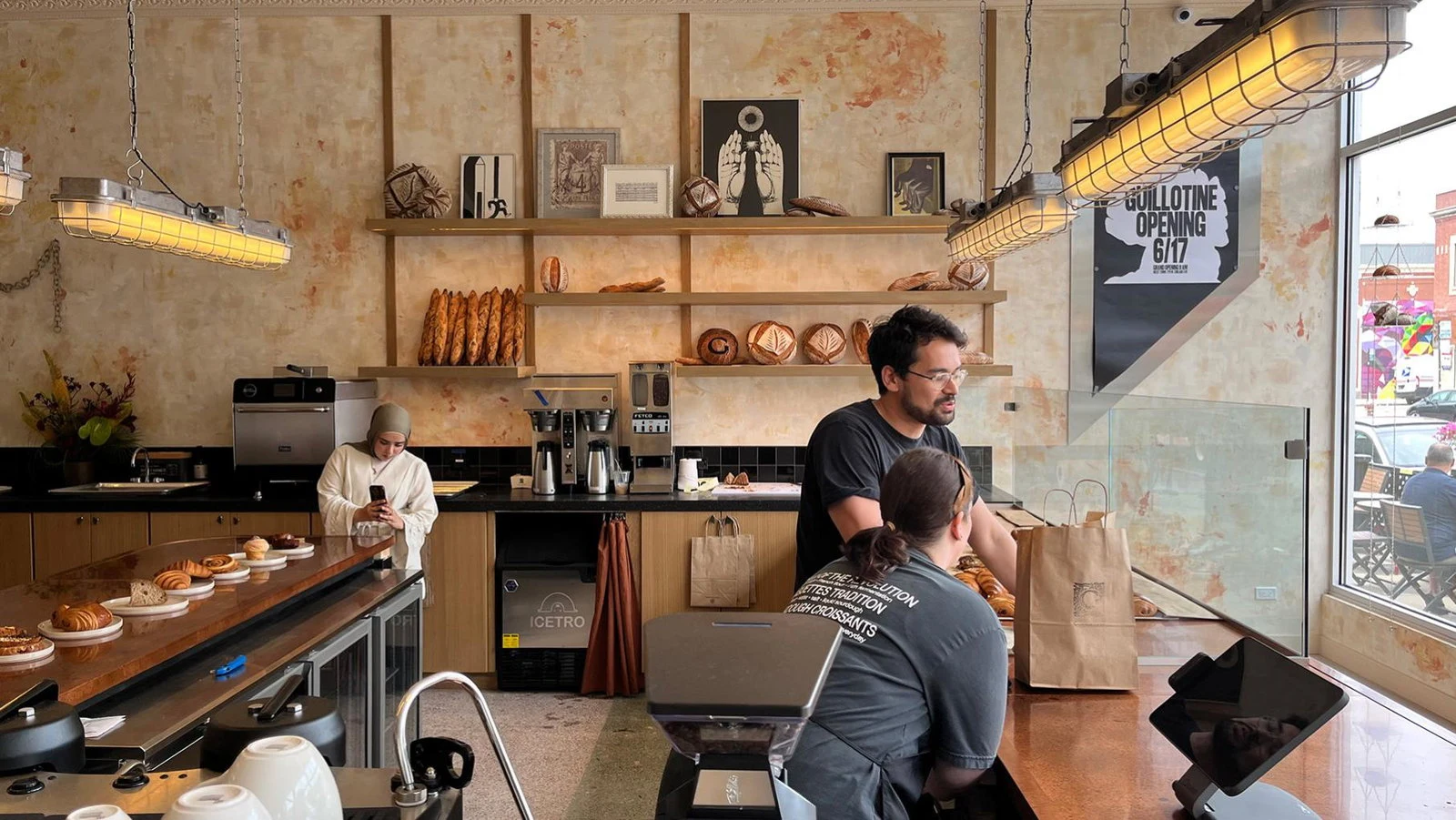
Bread is the point at Publican Quality Bread, where long fermentation, heritage grains and daily baking set the shelves. The West Town shop in Chicago opened in 2022 as a bakery and café in its own right, giving a public counter to a bread operation that already supplied local shops, restaurants and other retail. Head baker Greg Wade leads the programme and won a James Beard Award for Outstanding Baker in 2019; the bakery sits within the One Off Hospitality group. The tone at the counter stays practical rather than formal, talking about grain, fermentation and what came out of the oven that morning. For a first visit, think in terms of a loaf, a pastry and a coffee, with sourdough structure doing most of the talking.
Ovens to shelves
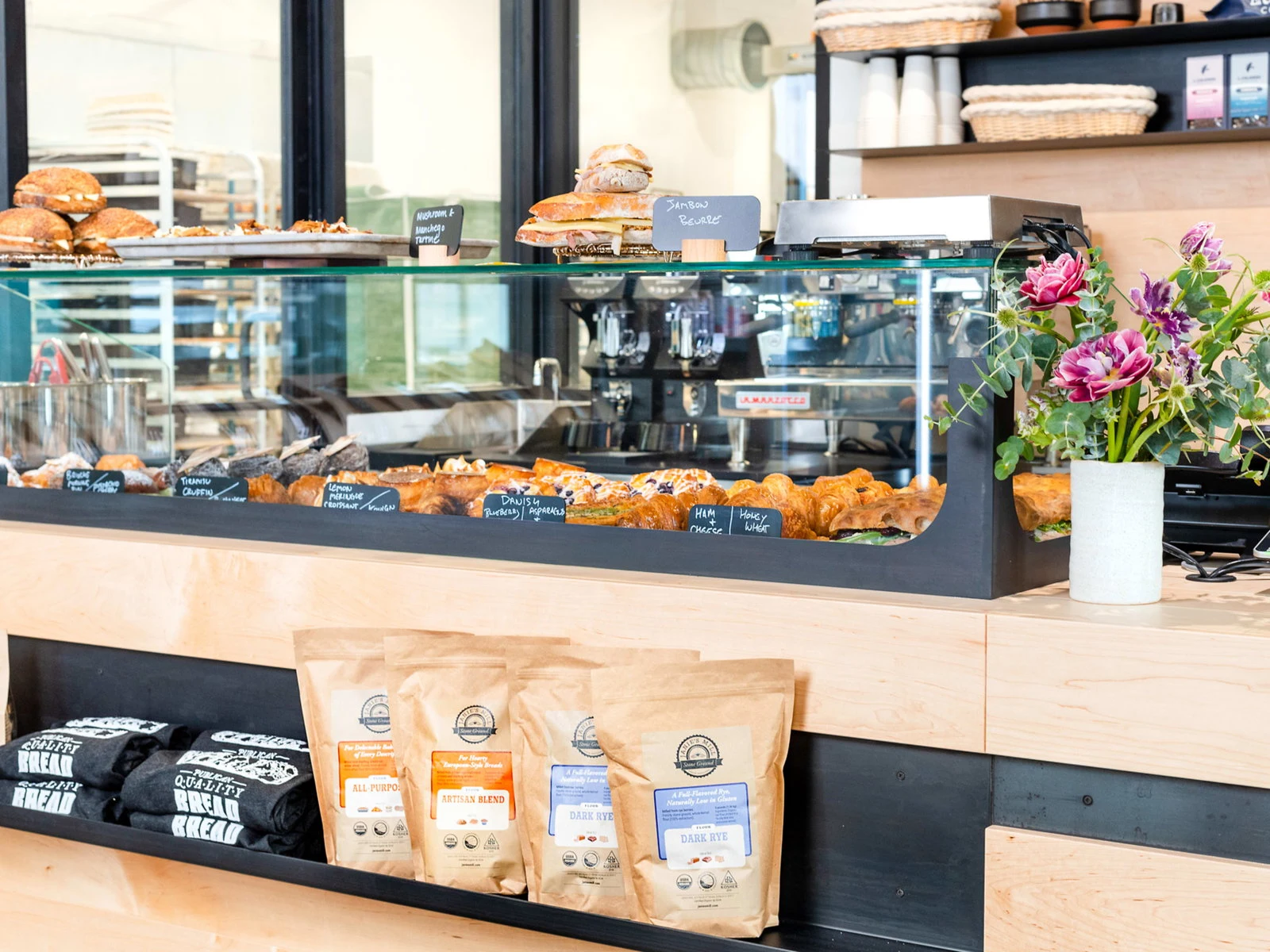
Breads are baked daily in house and moved straight from the ovens to the shelves, so the retail side feels tied to production rather than walled off from it. Publican Quality Bread works as a bakery-café and a wholesale bread producer at once, with the West Town storefront acting as the neighborhood face of a much larger baking operation. The loaf list runs to the long-fermented Multigrain 1979, honey lavender boules and sourdough baguettes made with local grains, and the bakers are happy to nerd out on heritage grains with anyone who asks. Whole-grain pastries and morning coffee fill out the counter beside the bread.
Take a loaf home, eat the pastry there
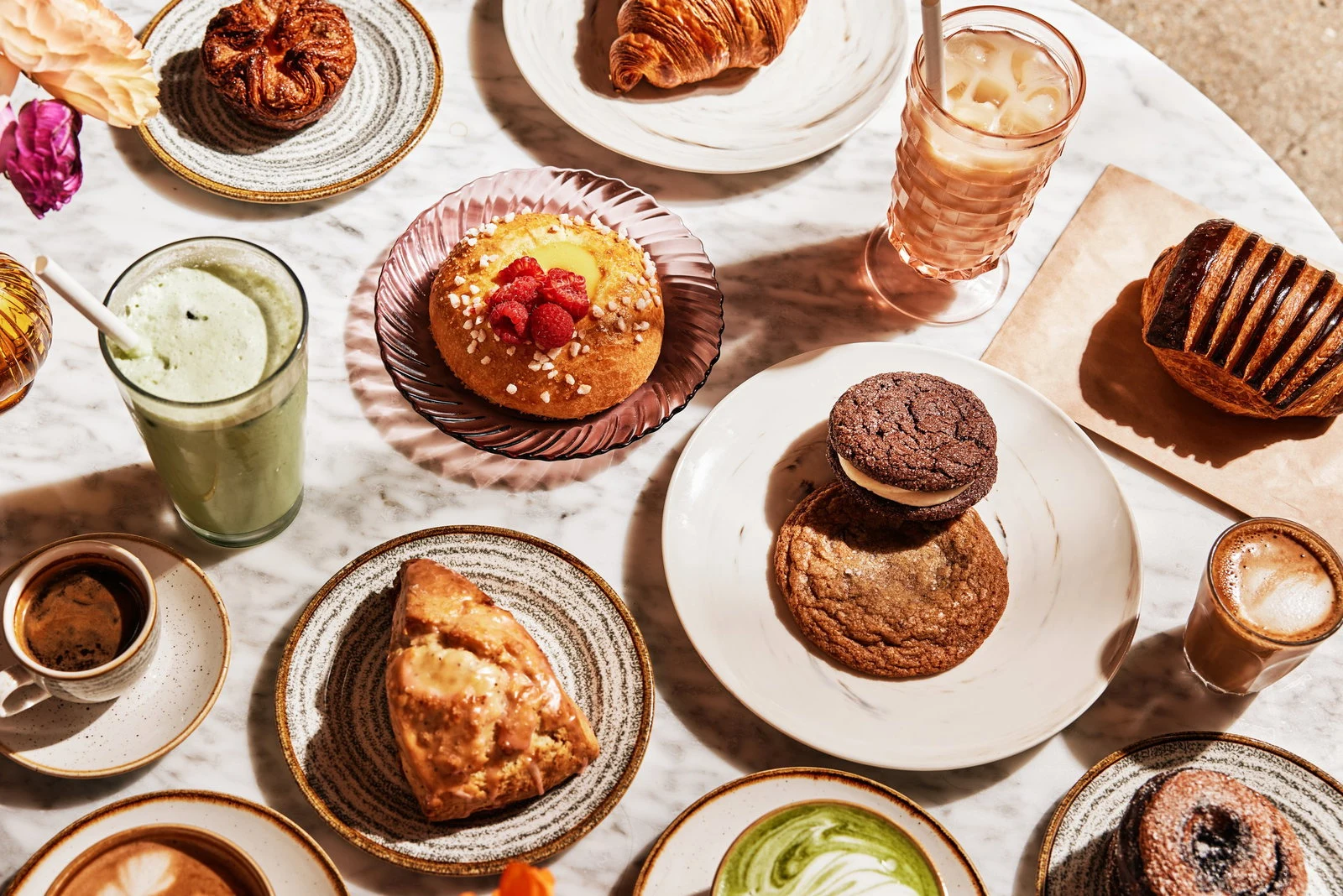
Start with bread if this is a first stop, because the loaf programme is the strongest argument the bakery makes. A sourdough baguette, the Multigrain 1979 or a honey lavender boule shows the main commitments: long fermentation, local grain and flavour built from the grain itself rather than from decoration. Heritage grain breads are the next step, especially for something to bring home and use across several meals. On the sweet side, the chocolate croissant, the Earl Grey cream pastry and the monkey bread are the ones people come back for, and they belong beside a morning coffee rather than in a bag for later. The bread also travels well past the counter, through online ordering, grocery shelves and restaurant accounts, so a loaf here is not only a café purchase. The argument the place makes is simple and well made: bread can be the main event.
Frequently asked questions
What should I buy at Publican Quality Bread?
Bread first: a sourdough baguette, the long-fermented Multigrain 1979 or a honey lavender boule all show what the bakery is built on. Whole-grain pastries are the other half of the counter, and the chocolate croissant, Earl Grey cream pastry and monkey bread are the ones worth eating with a coffee on the spot.
Who bakes the bread at Publican Quality Bread?
Head baker Greg Wade leads the programme, and he won a James Beard Award for Outstanding Baker in 2019. The bakery is part of the One Off Hospitality group and runs as both a neighborhood counter and a wholesale operation, baking daily in house for its own shelves and for local shops and restaurants.
Compare nearby places
| Venue | Type | Area |
|---|---|---|
| ALTAR Home & Café | Café | West Town |
| Prequel Cafe | Café | West Town |
| SUGOi Sweets | Café | West Town |
| Big Shoulders Coffee | Café | West Town |
| Sarima | Bakery | Wicker Park |