Why go
A family pastry house since 1934
Pastry, chocolate and ice cream come out of the same kitchen here, and they have done since 1934, when Jacques Bannwarth opened the Mulhouse house that still carries his first name. Four generations of pastry chefs have kept it going, with Michel Bannwarth leading it now, and the range has stayed wider than a bakery counter: pâtisserie, confiserie, chocolate, glace and a salon de thé, all inside one craft tradition. The house talks about its work in terms of raw material selection and of passing technique on to a trained team of pâtissiers, chocolatiers and glaciers. Its membership of Relais Desserts, the international association of leading pastry chefs founded in 1981, is the clearest marker of where it stands in southern Alsace.
The counter and the workshop behind it
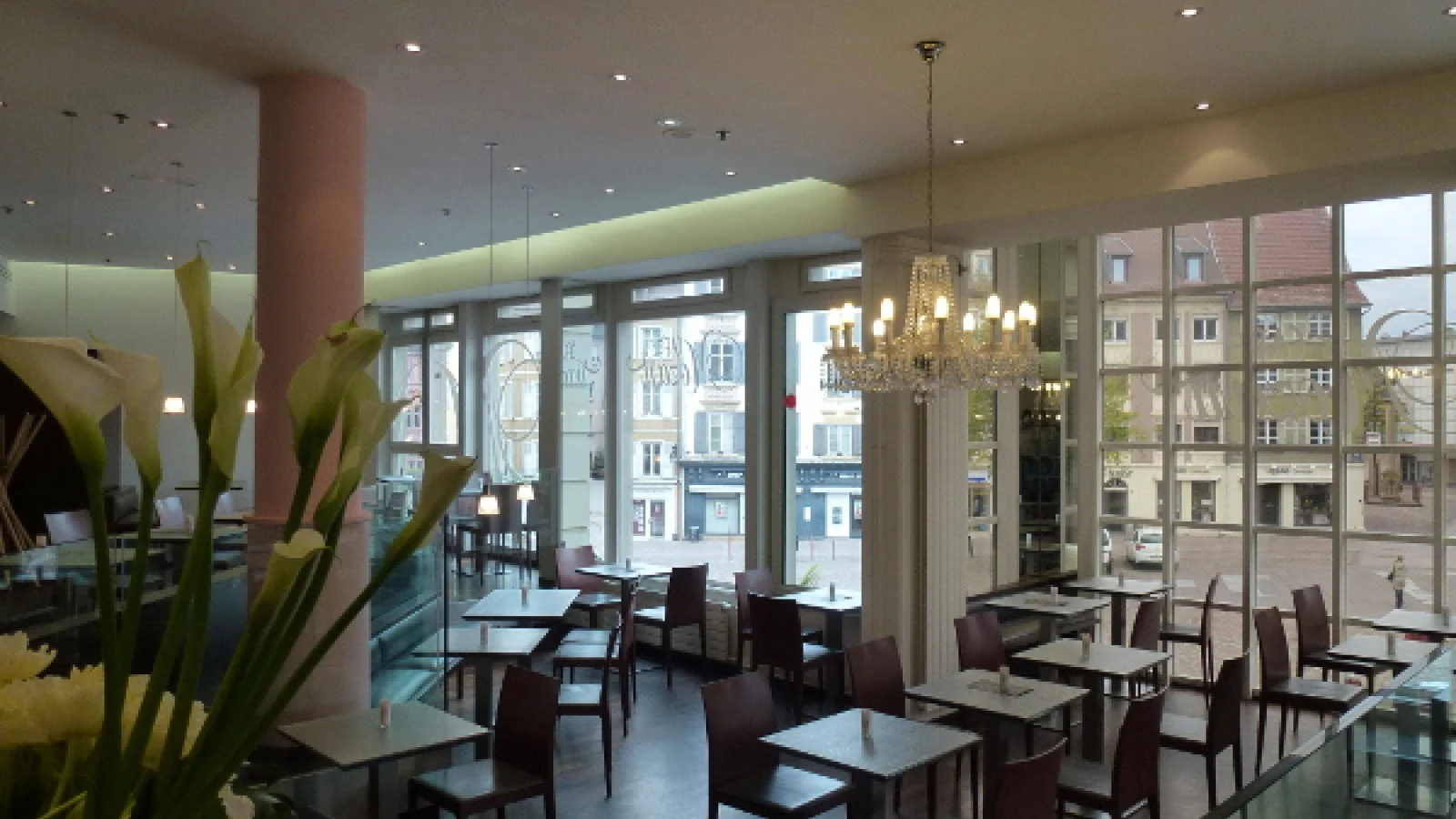
The original Mulhouse house anchors the group, while the separate Café Mozart site leans more explicitly on the salon de thé and retail side. What makes the older house worth the visit is what sits behind it: the large production laboratories where the pastries, chocolates and ice creams are made, so the counter is connected to the workshop rather than reselling someone else's work. The shopfront has been renovated and brought up to date, which suits a house that has kept its family line while changing with the town around it, and the group added a Saint-Louis branch in spring 2022. Those other sites extend the reach of the house, but the Mulhouse original is where the range is fullest and where the workshops sit. Read it as a pastry and confectionery house first, because bread is not the story.
Let the day's case choose
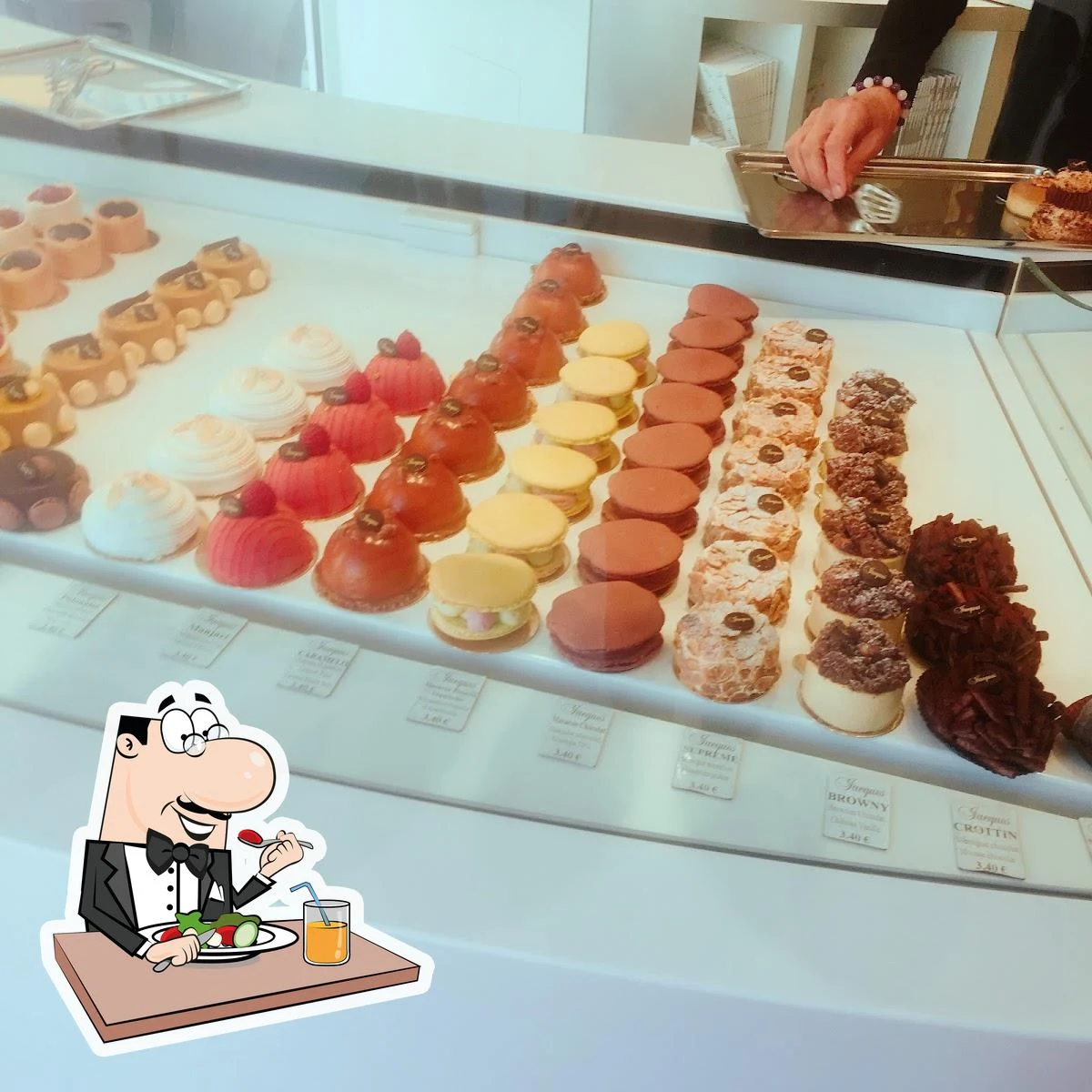
Let the case decide, because this is a house of changing creations rather than a fixed list of named cakes. Pâtisserie comes first, then chocolate, then ice cream, and the Alsatian side of the calendar shows up in manalas, the small brioche figures eaten around Saint Nicholas in early December. Drinks belong to the salon de thé half of the business, most fully at Café Mozart, where a pastry, a chocolate or an ice cream can be taken with coffee or tea rather than carried out. At the original house the sensible approach is to look at what has been finished that morning and order in that order: pastry, then chocolate, then a seasonal Alsatian bake when it appears.
Frequently asked questions
What is Patisserie Confiserie Jacques known for?
It is known as a Mulhouse pastry and confectionery house founded in 1934 and run by four generations of the same family, working across pâtisserie, chocolate, ice cream and a salon de thé. Its membership of Relais Desserts, the association of leading pastry chefs, places that sweet programme at the centre of the house.
What should I order at Patisserie Confiserie Jacques?
Start with whatever pâtisserie has been finished that morning, since the house works through changing creations rather than a fixed list. Chocolate and ice cream are the other two strands, made in the same workshops, and in early December the Alsatian manalas, small brioche figures for Saint Nicholas, join the case.
Compare nearby places
| Venue | Type | Area |
|---|---|---|
| Café Mozart | Café | Place de la Réunion |
| L'Atelier du Café | Café | — |
| Pâtisserie Jacques | Café | Saint-Louis |
| Pâtisserie Gilg | Bakery | Munster |
| Pâtisserie Gilg | Bakery | Colmar historic center |