Why go
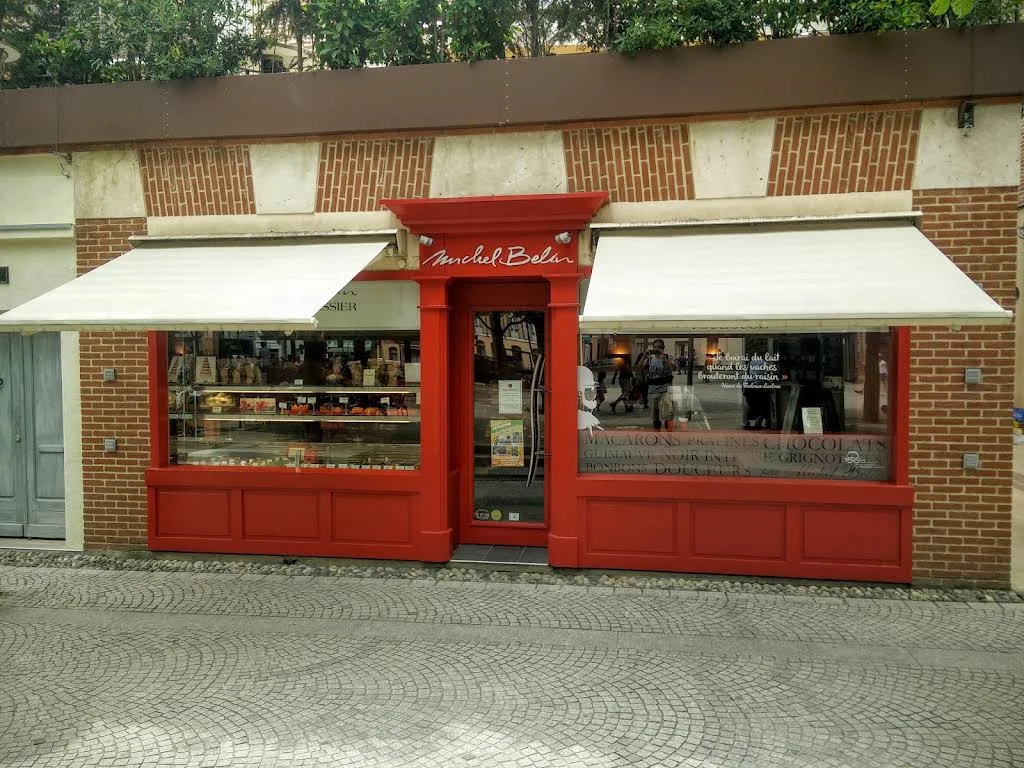
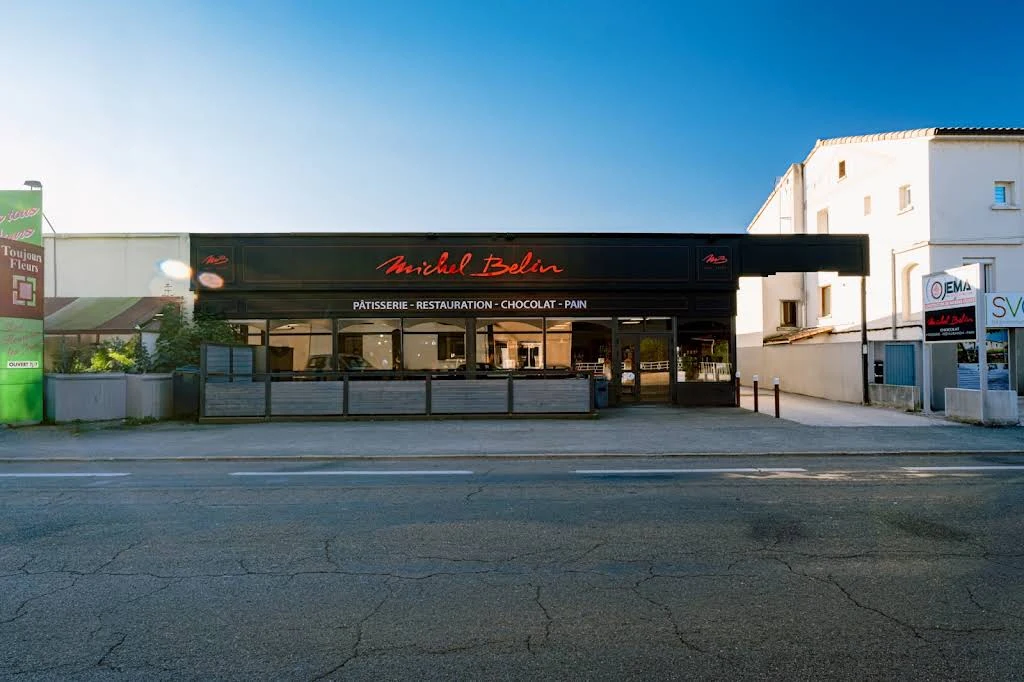
Chocolate made from beans the house selects itself is the anchor at Michel Belin Lapérouse, the Albi address of Maison Michel Belin, where the house runs pâtisserie, cuisine, salon de thé and chocolat under one roof. A boutique counter faces the square, a tea room sits behind it, and the pastries, macarons and chocolate all come out of the same workshops.
A cacaofacteur first, a cake counter second
The house works from the bean forward. Michel Belin works as a cacaofacteur, taking chocolate from cocoa beans selected through sustainable and responsible supply chains, and everything is made maison in the Albi workshops, with as much attention given to the hand work as to the choice of ingredients. That gives the boutique side more depth than a standard cake display.
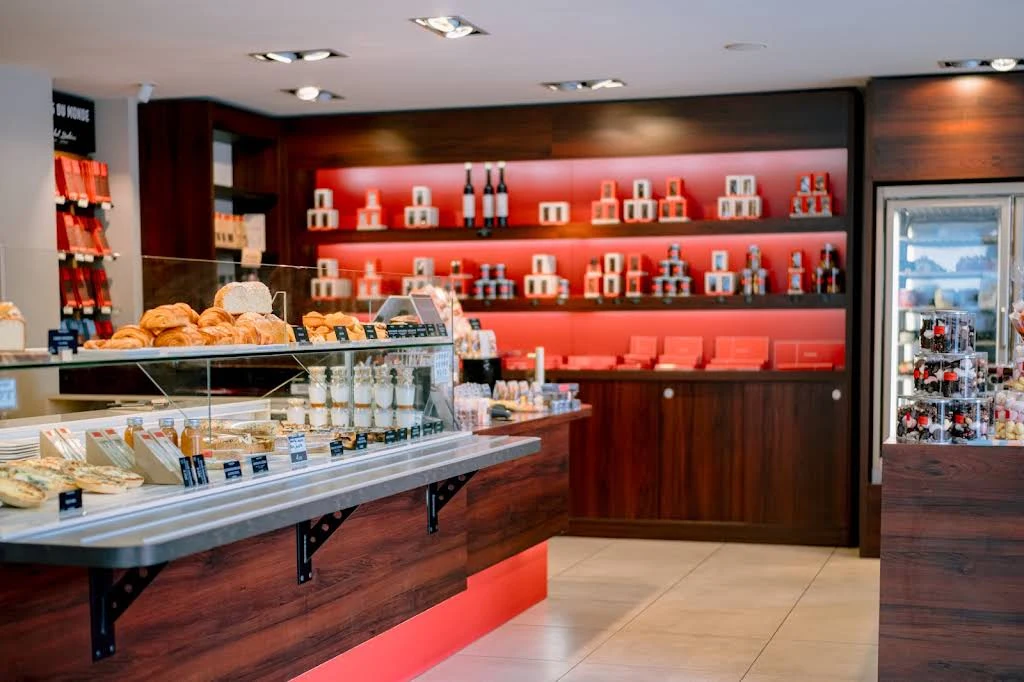
The range spreads across chocolats, pâtisseries, grignotages, viennoiseries and tea-time. Named pieces include macarons, pâte à tartiner, pains à offrir, holiday limited editions, a Dubaï Style tablet and Tubo Croustiperles. The boutique is a Relais Desserts member for 2026.
A salon de thé attached to a working boutique
The room runs in two directions. Some visitors come for the boutique, choosing chocolates, macarons or pâtisseries to carry out. Others stay for the salon de thé, where the food and drink belong to the same maison rather than to a separate café concept bolted on beside it.
Tea is treated as a fixture rather than a courtesy. The house calls it Pause Tea Time and lists it as a category beside chocolates, pastries, snacks and viennoiseries, with an invitation to sit and taste. That puts a seated tea service, served with the maison's own sweets, at the centre of the visit instead of at its edge.
Choose the case, then the chocolate
Order around the strengths: chocolate from selected beans, pastries made in the Albi workshops, and whatever is rotating rather than a fixed café signature. The kitchen runs plats du jour, formules repas, seasonal products and a weekly tarte du moment, so this can be lunch as easily as a sweet stop.
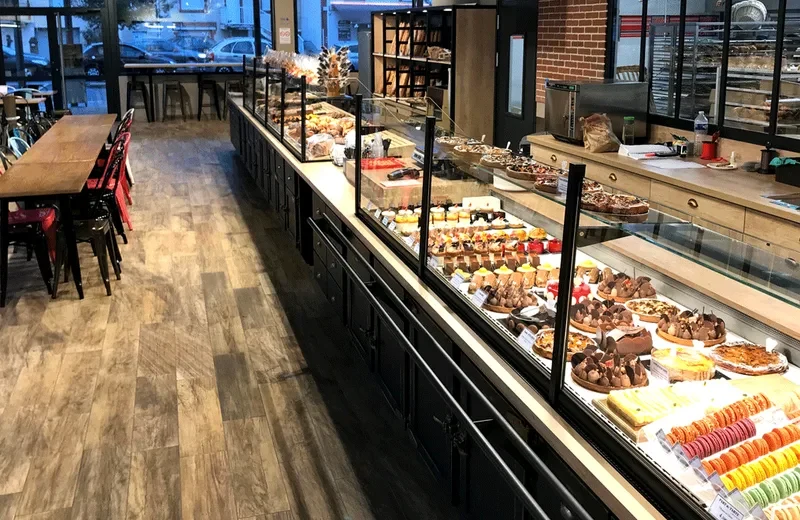
The pastry side moves with the calendar, with regular changes, seasonal releases and classic French formats such as tartelettes sitting beside more contemporary chocolate-pastry hybrids. For a focused visit, look first at the current pastry case, then at macarons, chocolates or one of the limited-edition pieces if the boutique shelves are the goal. For a seated pause, pair the tea-time offer with a pastry, the tarte du moment or a small grignotage from the day's selection.
Tags
Frequently asked questions
What should I order at Michel Belin Lapérouse?
Start with the current pastry case, then move to the chocolate. The house makes its chocolate from cocoa beans it selects itself, and the named pieces include macarons, pâte à tartiner, a Dubaï Style tablet and Tubo Croustiperles. For a seated pause, take the tea-time offer with a pastry or the weekly tarte du moment.
Can you sit down, or is it only a boutique?
Both work. The boutique counter sells chocolates, macarons and pâtisseries to carry out, while the salon de thé behind it seats guests for the same maison's sweets. Tea is a listed category rather than an afterthought, sitting beside chocolates, pastries, snacks and viennoiseries, and there are plats du jour and formules repas for a fuller stop.
Compare nearby places
| Venue | Type | Area |
|---|---|---|
| La Manufacture Michel Belin | Bakery | Avenue Gambetta |
| Michel Belin Vigan | Bakery | Vigan |
| Michel Belin Verdier | Bakery | / |
| Michel Belin Montplaisir | Bakery | Montplaisir |
| Michel Belin Lescure d'Albigeois | Bakery | — |