Why go
Via dei Cassari and the Logic of Palermo's Street-Level Hospitality
Via dei Cassari cuts through the Ballarò quarter, one of the oldest and most continuously inhabited parts of Palermo's historic centre. The street sits a short walk from the Arab-Norman churches of the Albergheria district, in a neighbourhood where the city's layered history — Phoenician, Roman, Arab, Norman, Spanish — compresses into narrow stone lanes and market stalls that have operated in roughly the same locations for centuries. This is not the polished tourist circuit of the Quattro Canti. It is the part of Palermo that functions on its own schedule, for its own residents, and where a new address either earns its place or disappears quietly.
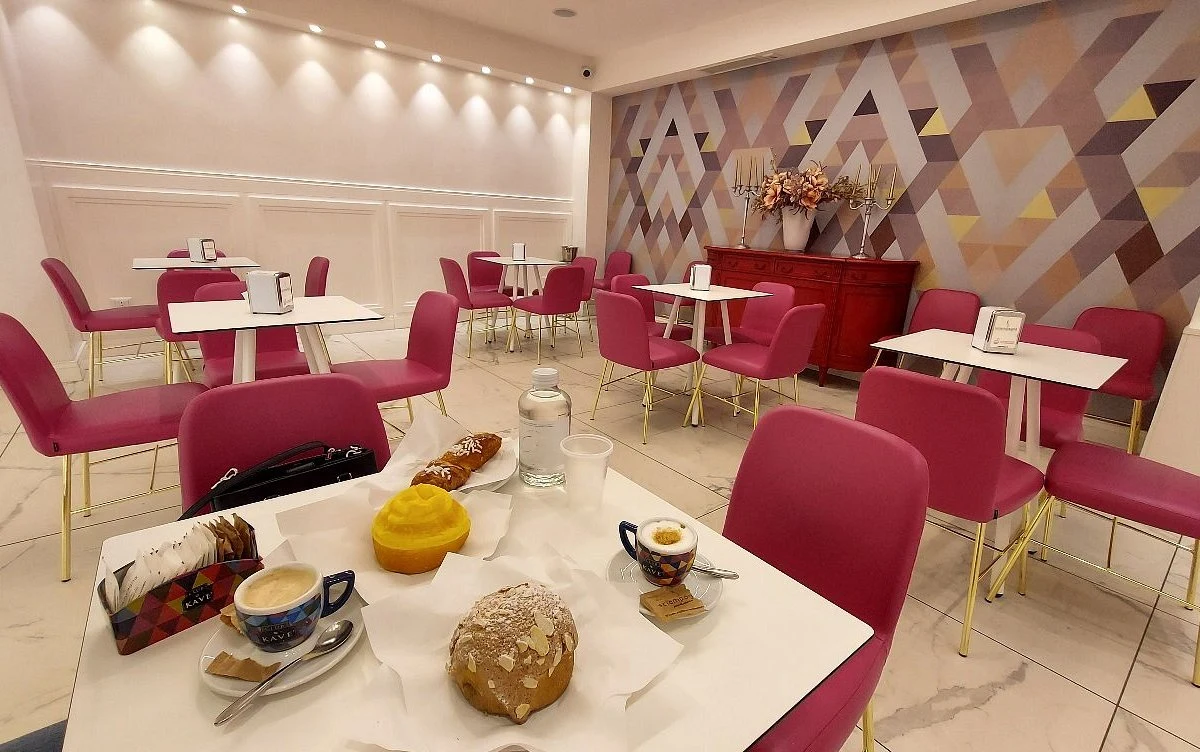
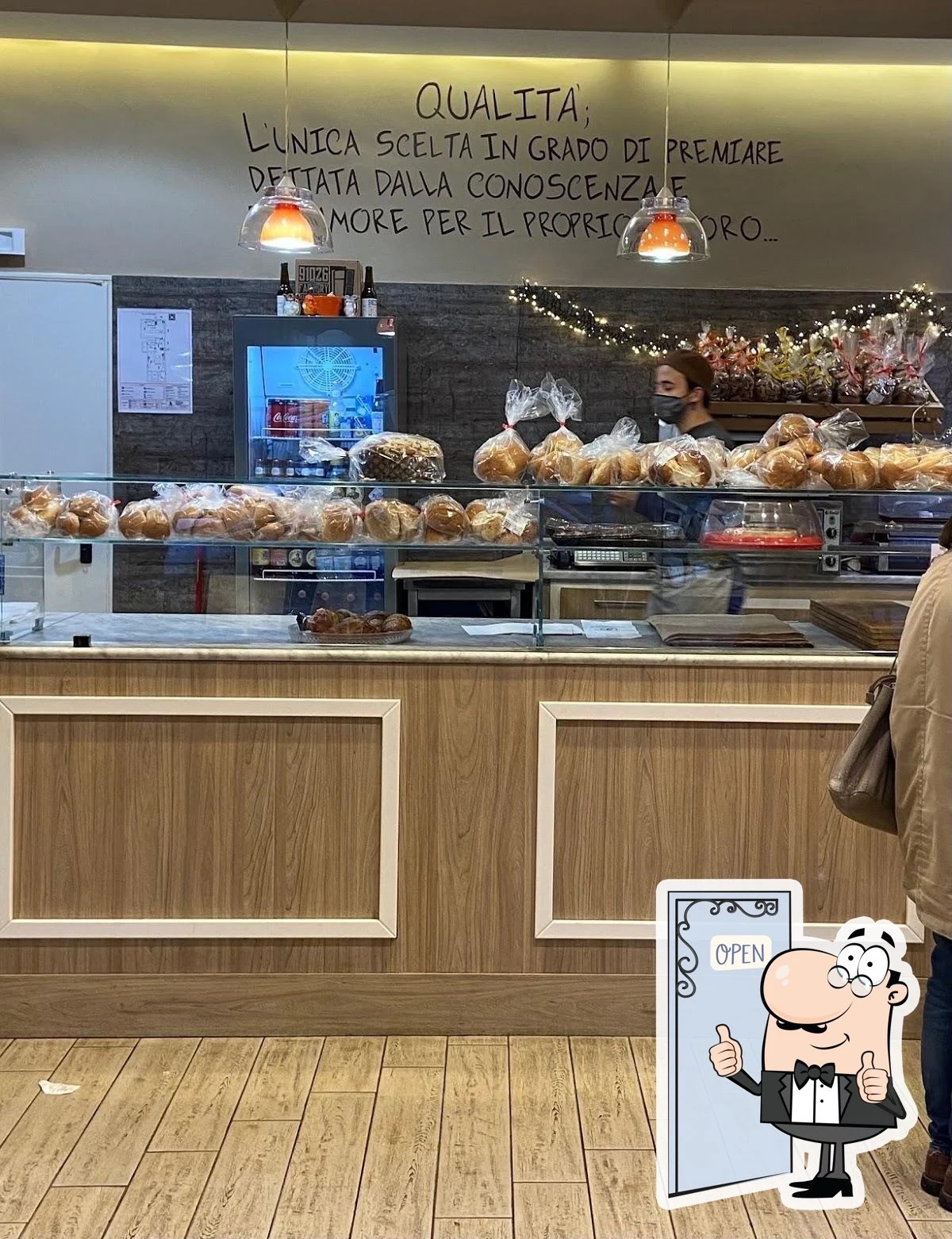
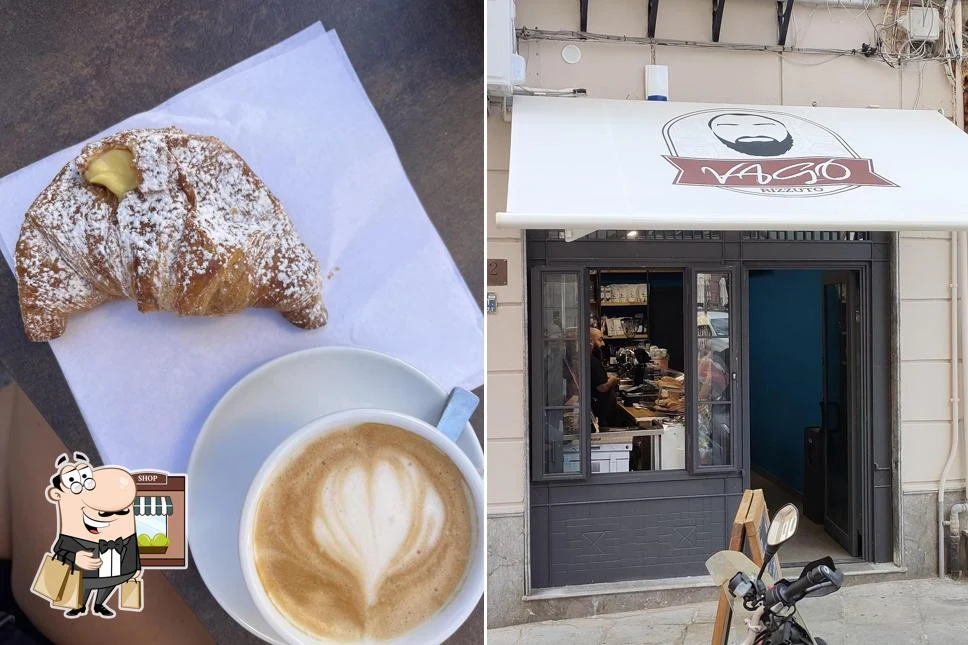
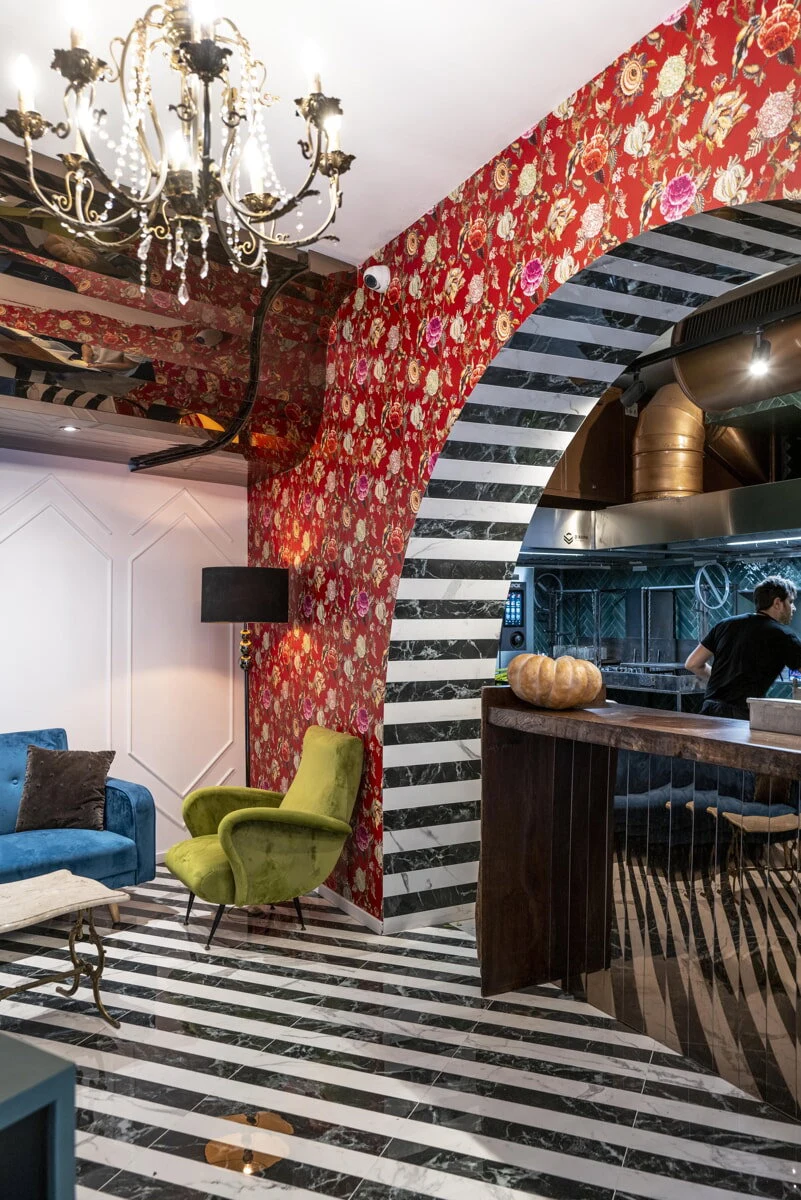
Maison Bocum, positioned at Via dei Cassari 2-4, is a restaurant in Palermo serving Sicilian-Peruvian-Japanese Fusion Bistro cuisine at about $60 per person. It occupies that specific urban register: a hybrid property combining suites with a bakery operation, a format that has gained traction across southern Italian cities as a response to the limitations of both standard B&B accommodation and standalone café culture. The combination is not accidental. In a neighbourhood defined by morning markets and street food eaten standing up, attaching a bakery to a guesthouse puts the property in conversation with the street rather than apart from it.
The Bakery-Suite Hybrid in the Context of Sicilian Hospitality
Sicily's accommodation sector has historically divided between large resort properties on the coast and small family-run guesthouses in the cities. What has emerged more recently in Palermo, Catania, and Syracuse is a third category: design-aware, small-scale urban properties that integrate a food or beverage offer as part of the guest proposition rather than as a separate amenity. This positions them differently from the traditional pensione and closer to the boutique hospitality model that has reshaped historic city centres across the Mediterranean.
The bakery component at Maison Bocum places it in a food tradition that Palermo takes seriously at every price point. The city's baking culture runs from the sfincione vendors of Ballarò market through the historic focaccia houses like Antica Focacceria San Francesco and the Ancient Saint Francis Focaccia Shop to modern operations rethinking the city's baked goods canon. A property that anchors its identity partly in baking is making a specific claim about what kind of Palermo experience it offers: one rooted in the morning rhythms of the city rather than in evening fine dining.
That orientation distinguishes Maison Bocum from the higher-end restaurant addresses operating in Palermo's centre. Mec Restaurant and A' Cuncuma represent the creative and formal ends of Palermo's restaurant market; AMMODO occupies the serious pizza tier. Maison Bocum operates in a different register entirely, where the quality signal is the freshness of what comes out of the oven at seven in the morning rather than a tasting menu format or a wine list depth.
What the Location Means for the Stay
The Ballarò and Albergheria quarter around Via dei Cassari rewards those willing to engage with Palermo at street level. The Ballarò market, which operates every morning through the early afternoon, is among the most documented street markets in southern Italy, known for its volume of produce, its noise, and the theatrical calling of vendors that has remained largely unchanged in character for generations. Staying on or near Via dei Cassari puts a guest inside that daily rhythm rather than at a comfortable remove from it.
The trade-off is one that any Palermo visitor needs to consider honestly. The neighbourhood is not quiet, particularly in the morning hours when market activity peaks. Streets can be narrow and uneven. But for a traveller whose interest is in Palermo as a functioning, inhabited city rather than a curated set of monument visits, proximity to Ballarò is an asset, not a compromise.
For those interested in understanding how Palermo's dining culture fits into the broader Italian context, it helps to situate the city within Italy's restaurant scene. Addresses like Osteria Francescana in Modena, Piazza Duomo in Alba, or Enoteca Pinchiorri in Florence represent one end of Italian restaurant culture. Palermo's strength has always been in a different register: street-level, ingredient-driven, and tied to a market culture that predates the modern restaurant by several centuries. A property like Maison Bocum, with its bakery component and its market-adjacent location, is a more honest expression of what Palermo actually does well.
Planning a Stay: What to Know Before You Book
The address at Via dei Cassari 2-4 in central Palermo is direct to locate; the area is walkable from Palermo Centrale station in under twenty minutes, and from the Ballarò market square in under five.
Seasonal timing matters in Palermo. Spring (April through June) and autumn (September through October) offer the most moderate temperatures for walking the historic centre. July and August are hot and, in the market quarter, intensely so. Winter brings cooler temperatures and thinner crowds but retains most of the city's food culture intact.
Frequently Asked Questions
- What is the vibe at Maison Bocum?
- The property sits on Via dei Cassari in Palermo's Ballarò quarter, one of the city's most characterful and market-saturated neighbourhoods. The combination of suites and a bakery suggests an informal, street-integrated atmosphere rather than a formal hotel environment. Guests looking for polished lobby-hotel standards are better served elsewhere; those who want to wake up inside a working Palermo morning will find the location and format well suited to that.
- What do people recommend at Maison Bocum?
- Without a consolidated body of published reviews to draw on, specific dish or product recommendations are not verifiable at this time. The bakery component is the most distinctive element of the offer, and given Palermo's serious baking culture, the morning output is the most logical starting point for any assessment. Visitors can cross-reference with neighbouring food addresses including Antica Focacceria San Francesco to understand the local standard against which any Palermo bakery is measured.
- How hard is it to get a room at Maison Bocum?
- At smaller suite properties in central Palermo, room availability can be limited during peak travel months (April to June, September). The property does not appear to be part of a major booking network, which means availability windows may not be as transparent as larger hotels. Direct contact via the Via dei Cassari address or local platform searches is advisable, particularly for spring travel.
- What is the defining idea at Maison Bocum?
- The defining idea is the pairing of overnight accommodation with a bakery in a neighbourhood defined by its market culture. That combination places the property in conversation with Palermo's street-level food identity rather than with the city's fine-dining tier, represented elsewhere by addresses like Mec Restaurant or the broader Italian fine-dining canon anchored by houses such as Le Calandre or Reale. The guest experience is built around morning food and neighbourhood access, not evening ceremony.
- Do they accommodate dietary requirements or allergies at Maison Bocum?
- Specific allergy and dietary accommodation policies are not publicly documented for this property. In a small bakery-suite operation in Palermo, these questions are leading addressed directly before arrival. Given the relatively limited scale of the offer, flexibility may vary. For context on how Palermo's food scene handles dietary requirements more broadly, our full Palermo restaurants guide covers the range of formats and price points across the city.
- Is Maison Bocum closer to a boutique hotel or a traditional Sicilian B&B?
- The hybrid format, suites combined with a bakery, places Maison Bocum in a category that sits between the two. Traditional Sicilian B&Bs typically offer a breakfast service as an add-on; here the bakery appears to be a standalone operation integrated into the property's identity, which gives it a slightly more considered, design-aware positioning. This aligns it with a newer generation of small urban properties across Sicily, rather than with the older pensione model. For comparison with other food-integrated addresses in the city, see A' Cuncuma and AMMODO for context on how Palermo operators are rethinking the relationship between space, food, and identity.
For a broader survey of where Palermo's food scene is heading, including the formal restaurant tier and the city's street food tradition, see our full Palermo restaurants guide. For reference on Italy's fine-dining register, addresses including Uliassi in Senigallia, Dal Pescatore in Runate, Enrico Bartolini in Milan, Atelier Moessmer Norbert Niederkofler in Brunico, and Quattro Passi in Marina del Cantone provide useful contrast with the street-level food culture that defines Palermo's identity. Further afield, Le Bernardin in New York City and Lazy Bear in San Francisco illustrate how the bakery-integrated hospitality format is being interpreted across very different urban contexts.