Why go
A gallery of confections in the Flatiron
Lysée calls itself a gallery of confections, and the phrase is the most useful way to approach it: pastry treated as an object of design, set out to be looked at before it is eaten. The shop is small, a compact Flatiron room rather than a bakery floor, and the work of chef and owner Eunji Lee sits at the centre of it. What is on show is closer to a curated collection than a daily case, which is the point. The New York Times included Lysée in its 2024 list of the 22 best bakeries in the United States.
Dessert as the whole meal
The ambition of the programme is to treat dessert the way a kitchen treats a menu, with confections standing in for appetiser, main course and everything after. That framing explains the composure of the work: pieces are built and finished rather than baked and stacked, and the counter changes as collections change rather than running a fixed list from open to close. The house organises what it makes into collections, which is closer to how a designer thinks than how a bakery does, and it shows in the finish of each piece.
How to approach a visit
Come for the case, not for a coffee and a seat. Lysée is built around display, and the pleasure is in choosing one or two finished pieces and looking at them properly before eating. Expect a short, changing selection rather than a long roster of laminated pastries and loaves, and expect the pieces to be composed rather than assembled. Whatever sits at the front of the case is usually the thing to order.
Frequently asked questions
What kind of pastry does Lysée make?
Lysée works in composed confections rather than bread and laminated pastry. Pieces are built and finished like small constructions, organised into collections that change rather than a fixed daily list, and displayed as objects to look at before eating. The house calls the result a gallery of confections.
Has Lysée won any awards?
The New York Times named Lysée one of the 22 best bakeries across the United States in 2024. The recognition points at the same thing the counter does: a small, chef-led pâtisserie in the Flatiron district whose reputation rests on composed, design-forward confections rather than a broad bakery range.
Compare nearby places
| Venue | Type | Area |
|---|---|---|
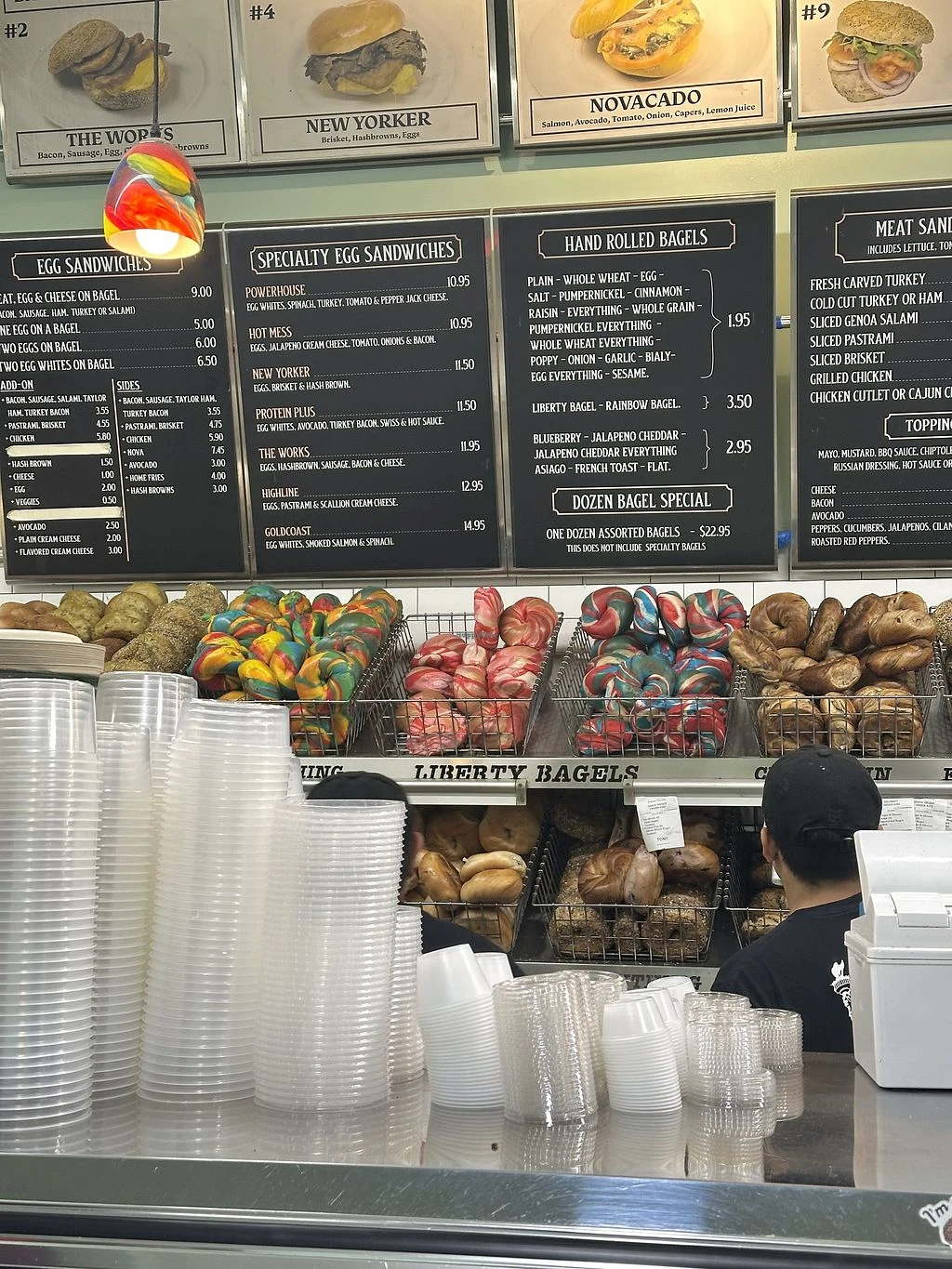
| Liberty Bagels Flat Iron | Bakery | Flatiron District |
| Ole & Steen | Café | Flatiron District |
| La Mercerie Pâtisserie | Bakery | Upper East Side |
| Lady Wong Patisserie East Village | Bakery | East Village |
| Lamoone | Bakery | Chinatown |