Why go
House-roasted coffee and an Oslo lineage
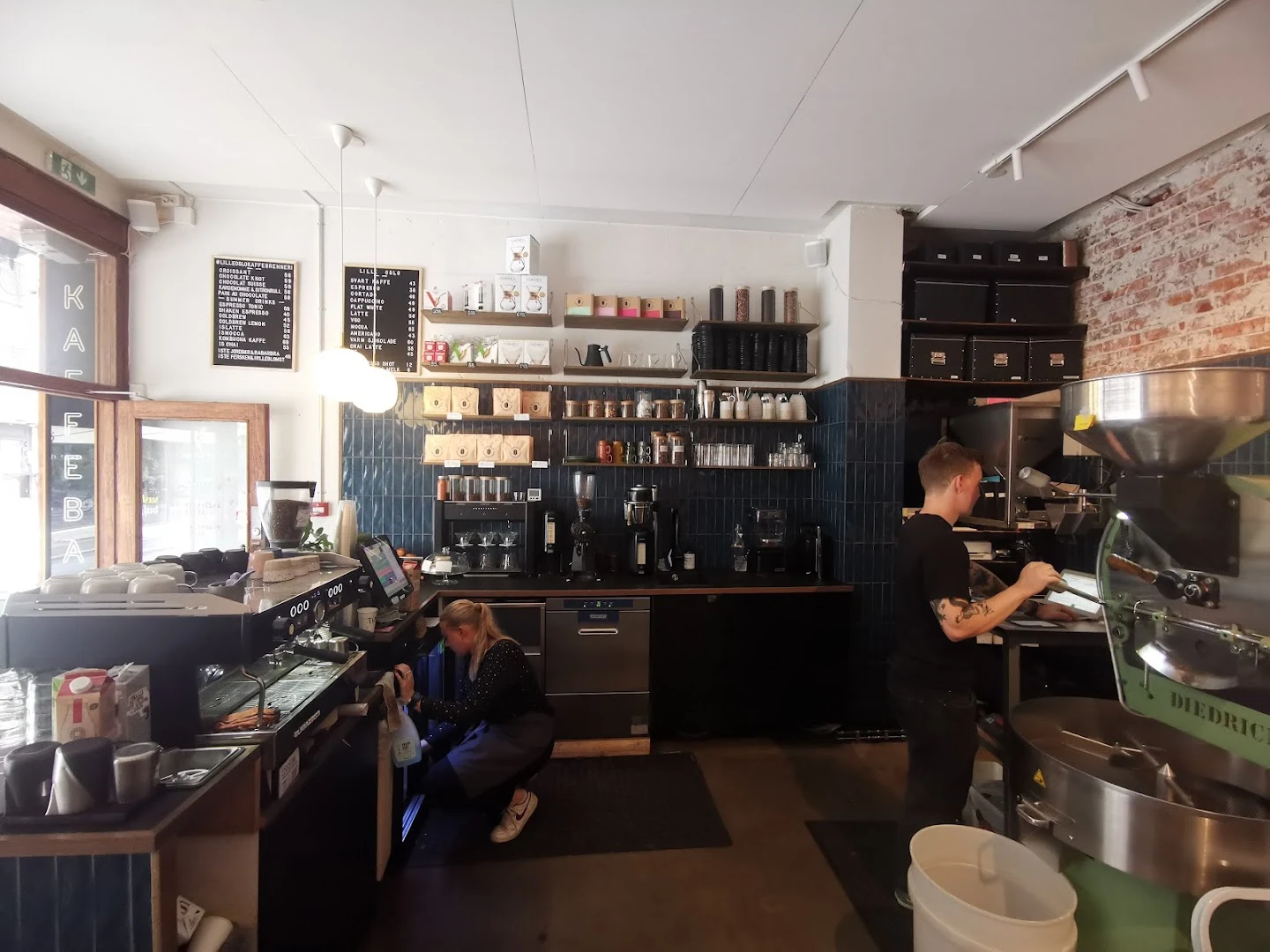
The counter here works from coffee roasted in house, and the 1997 opening by St. Hanshaugen gives the room a real place in Norway’s modern espresso culture. Java Espressobar & Kaffeforretning began as a neighbourhood bar that opened early, took coffee seriously, and refused to make the craft feel stiff. Nearly three decades on, that is still the shape of the place. The bar puts itself at the start of several Norwegian coffee habits: cold coffee drinks, the cortado, latte art and pour-over service all reached Oslo through rooms like this one. The drink range stays steady rather than experimental, with espresso, cappuccino, latte, cortado, batch brew and pour-over across the day, and non-dairy milks on the bar for anyone who wants them. Sourcing runs deep: the team built its green coffee relationships by travelling to producers, and several of those early farm connections still run through the wider Java, Mocca and KAFFA group.
A small St. Hanshaugen room built for regulars
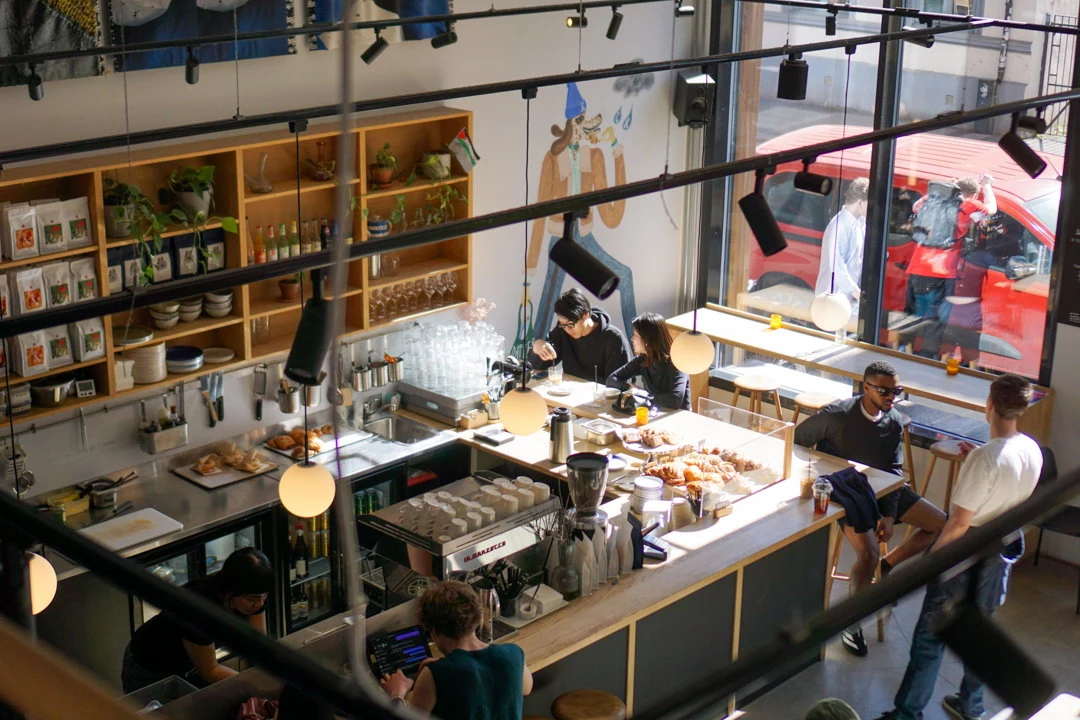
The room is small and works like a neighbourhood stop rather than a showroom. Order at the counter, watch the pull, then take the cup inside or out to the benches when the weather allows. That scale is part of why the bar has lasted: it absorbs a fast espresso, a laptop hour, a breakfast before work, or a slower pause on the way to the park without changing character. Service is informal and direct, with the coffee taking priority but never taking over the room. Technical pedigree sits under ordinary habits here. Robert Thoresen’s world barista championship history and the Java, Mocca and KAFFA line explain why the coffee carries weight in Oslo, but nobody at the counter asks a customer to perform expertise.
Order the cortado, then add the cinnamon roll
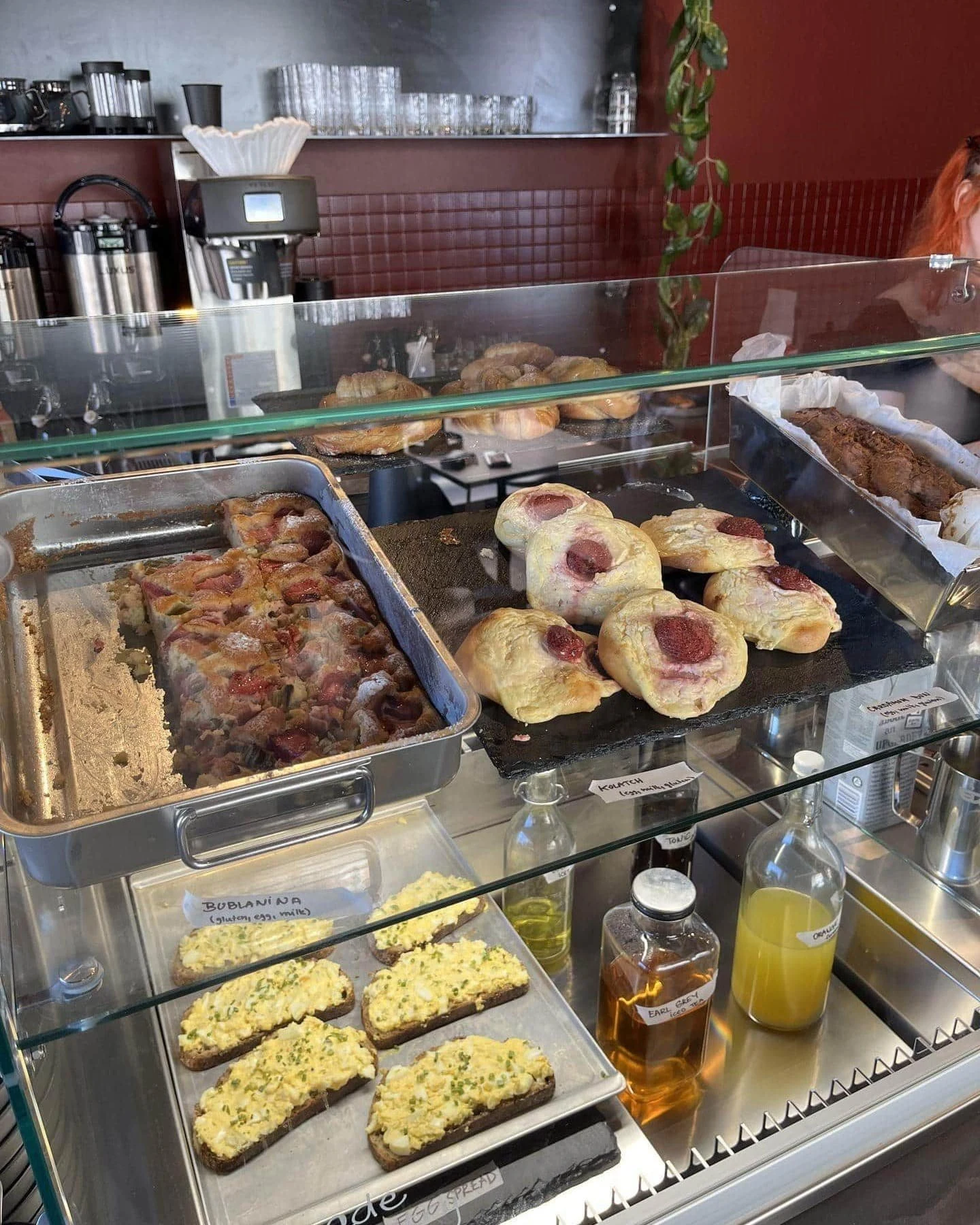
Start with the cortado. It is the order that makes the clearest sense here, because the house helped introduce the format to Norwegian coffee service and it suits a bar that has always cared about espresso without turning it into ceremony. From the case, take the cinnamon roll when it is there: browned outside, lightly salted against the sweetness, and built with enough structure to sit beside a coffee rather than collapse under it. Pour-over is the better choice when the bar has something slower on brew, while the espresso side tells the house story fastest. Anyone following Oslo roasting more closely can keep an eye on the Java, Mocca and KAFFA coffees, where those long producer relationships remain the quiet thread.
Tags
Frequently asked questions
What should I order at Java espresso & coffee Business AS?
Start with the cortado, a format the bar helped introduce to Norwegian coffee service, then add a cinnamon roll from the case. Pour-over is worth taking when something slower is on brew, and batch brew covers a quick cup. Non-dairy milks are on the bar for milk drinks.
Does Java roast its own coffee?
Yes. The coffee is roasted in house, and the bar sits inside the wider Java, Mocca and KAFFA group, whose green buying grew out of travel to producing farms. Several of those early producer relationships still supply the group, which is why origin and processing shift through the year rather than staying fixed.
Compare nearby places
| Venue | Type | Area |
|---|---|---|
| MAD DROP COFFEE | Café | St. Hanshaugen |
| Pascal Ullevålsveien | Café | St. Hanshaugen |
| Dapper | Café | Grünerløkka |
| Supreme Roastworks | Café | Grünerløkka |
| Kuro Oslo | Café | Grünerløkka |