Why go
Ethiopian coffee is the point of the counter
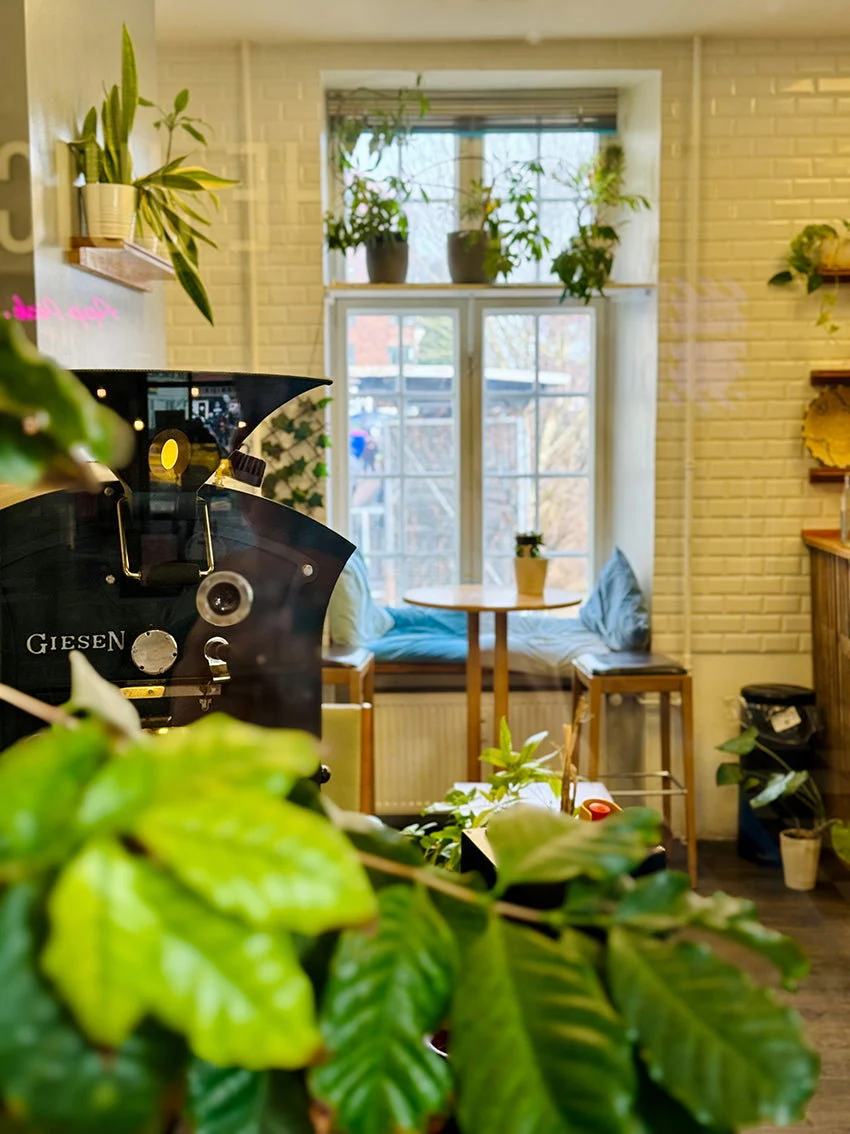
The coffee bar at Flintholm Station in Copenhagen works as Impact Roasters’ Ethiopian-focused branch, pouring and selling coffee sourced from small-scale farmers in Ethiopia. The programme is plain about its centre of gravity: native Ethiopian specialty coffee, roasted under the Impact Roasters name, with the retail side sitting close to the bar. This is the place to treat the bag on the shelf as part of the order, not as an afterthought. Beans can be bought whole or ground for filter, espresso or French press, and the house brewing guide reaches further, into Hario V60, Aeropress, Moka pot, Chemex, filter drip, espresso, Turkish cezve and French press. That breadth matters because the café does not feel built around one house ritual. It is more useful than that. Espresso and filter sit beside green coffee, capsules, seasonal blends, coffee tasters, equipment and coffee experiences, so the counter works for a cup now and a bag for home.
Station architecture, coffee ceremonies, and a room that changes after dark
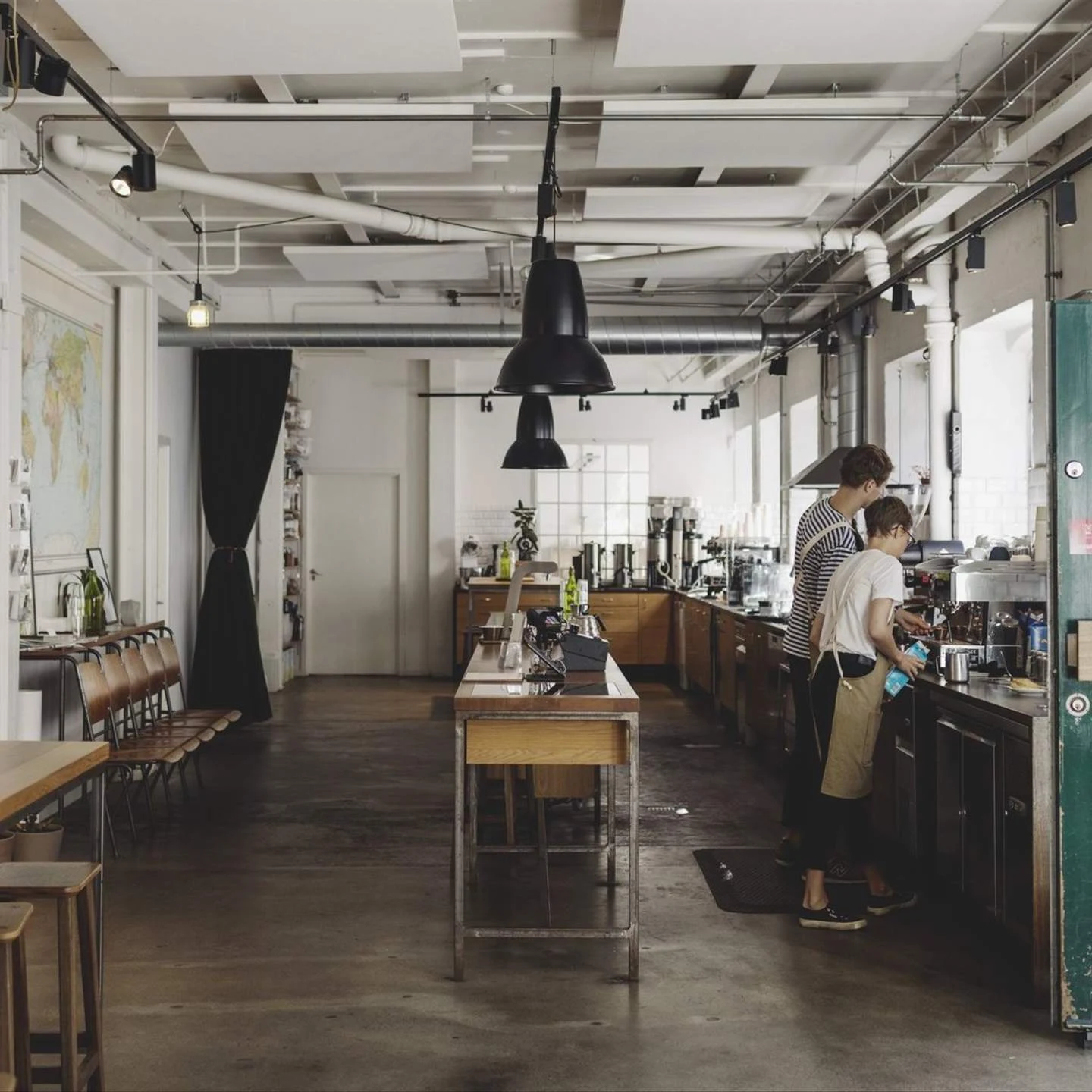
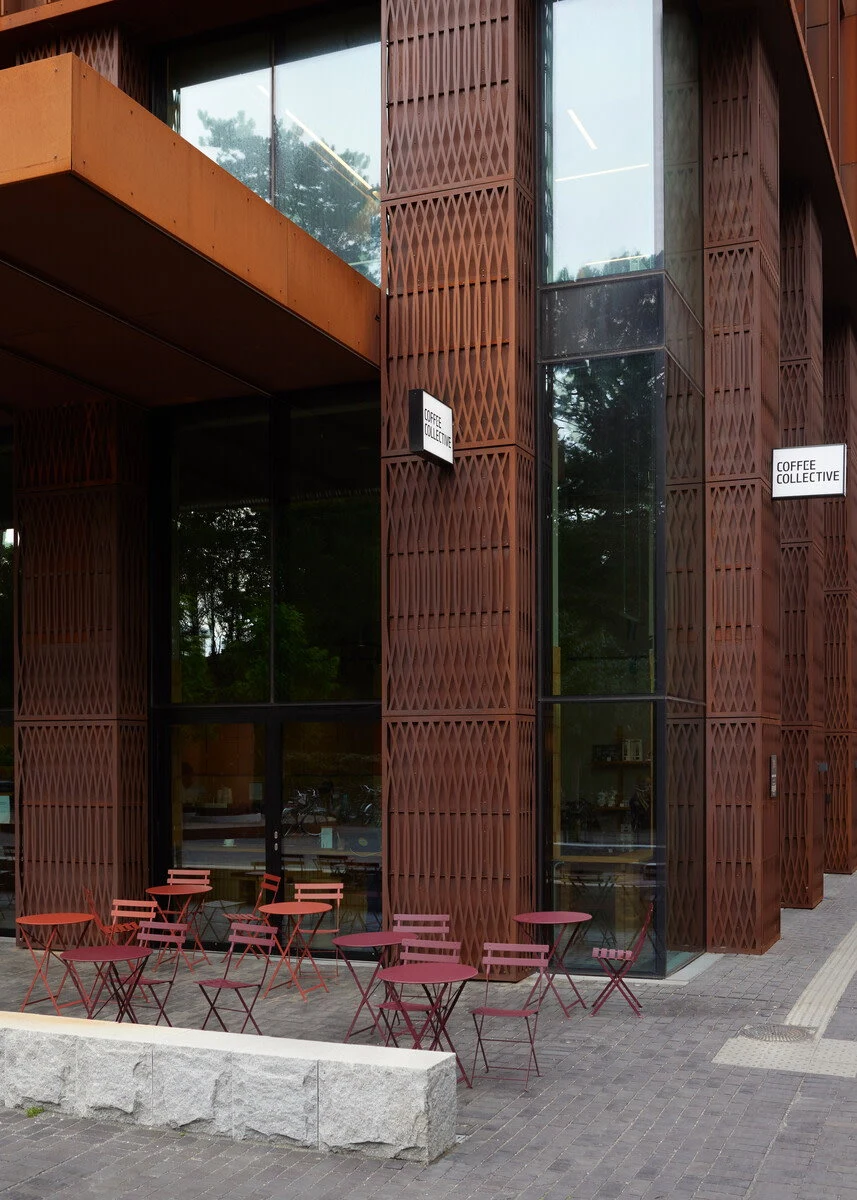
The room takes its cue from Flintholm Station, with New Yorker-inspired modern architecture set against the roaster’s Ethiopian coffee story. It is counter service, modern and spare, but the branch has a stronger community rhythm than a commuter bar that only moves cups across a rail. Impact events are part of the identity here: workshops, vinyl DJs at weekends, live music, open mic nights and Ethiopian coffee ceremonies. On event evenings the room shifts from daytime coffee stop to informal gathering space, with coffee, drinks and snacks in the warm-up and again during the break. Seating for at least some events runs first come, first served, so the better hour is before the room has fully filled. During the day the pleasure is simpler: a station-side coffee bar where the roast, the bag and the brewing advice are all in the same conversation.
Order filter first, then take the Ethiopian beans home
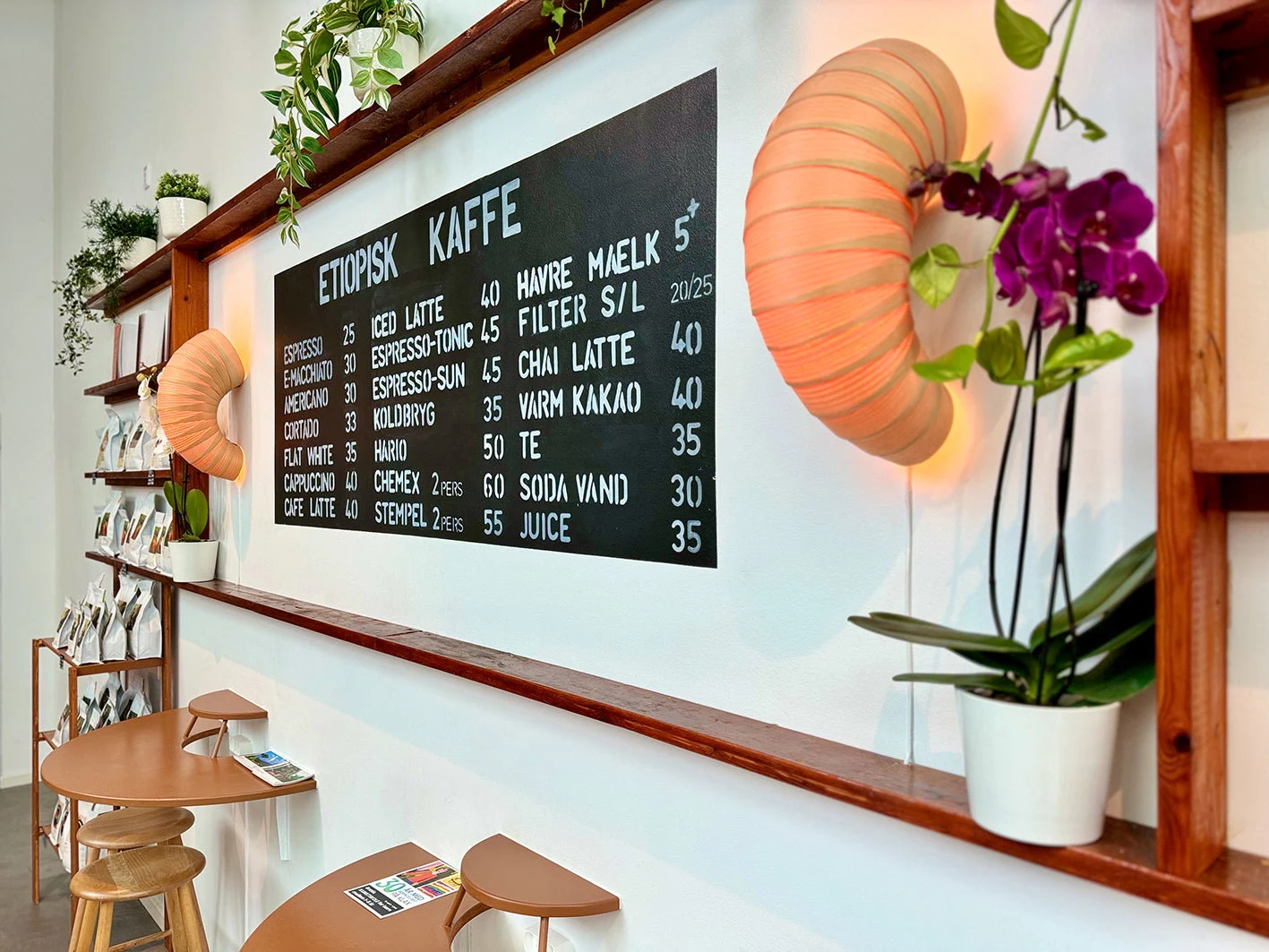
Start with filter coffee if the question is what Impact Roasters does clearly. It gives the Ethiopian sourcing more room than a milk drink and puts the roast in the foreground without turning the visit into a lesson. Espresso is the next clean order, especially if the plan is to buy beans and have them ground for the same method at home. The blends to notice are Beza&Nehi and Zenu&Zala when they appear as seasonal coffees, with festive notes given as chocolate, spices, berries and citrus. AYNU has also turned up on the retail shelf. Food is a side note rather than the reason to come: snacks show up around events, but the serious order is coffee, a short conversation about grind, and a bag matched to the way it will be brewed later.
Tags
Frequently asked questions
What should I order at Impact Roasters at Flintholm Station?
Filter coffee first: it gives the Ethiopian sourcing the most room and puts the roast in the foreground. Espresso is the next clean order, especially if you plan to buy beans ground for the same method at home. Look out for the seasonal blends Beza&Nehi and Zenu&Zala.
What happens at the branch in the evening?
The room turns into a gathering space for Impact events: workshops, vinyl DJs at weekends, live music, open mic nights and Ethiopian coffee ceremonies, with coffee, drinks and snacks served during the warm-up and again at the break. Seating at some events is first come, first served.
Compare nearby places
| Venue | Type | Area |
|---|---|---|
| Impact Roasters | Café | Carlsberg Byen |
| Coffee Collective Jægersborggade | Café | Nørrebro |
| Coffee Collective Carlsberg Byen | Café | Carlsberg Byen |
| Darcy’s Kaffe | Café | Nørrebro |
| Andersen & Maillard | Café | Nørrebro |