Why go
Biscuits arrive with honey, whipped butter and jam, and that plate is the clearest statement Fat Beet Farm Kitchen and Bakery makes about itself.
Farm-to-table American, kept casual
The category comes first: a farm-to-table American café and bakery in Tampa, run without the frame of a formal dining room. The Michelin Guide Florida 2026 Plate gives it a place in the guide, and the cooking behind that recognition is plain enough to describe in a sentence, produce-led American food served across a bakery counter and a short kitchen list.
The room reads rustic and bright by day, closer to a countryside farmstand than a restaurant, and family-friendly in the ordinary sense rather than the marketed one. The daypart follows: this is a daytime place, and the menu reads across a breakfast pastry and a plated meal without asking anyone to choose a lane in advance.
What the kitchen and the bakery each do
On the bakery side, the biscuits with honey, whipped butter and jam are the signature. On the café side, the Turkey Reuben is the named sandwich, the savory order for anyone who wants lunch rather than a pastry.
The kitchen list runs to family meals: cauliflower steak, lemon chicken, sesame chicken and BBQ ribs. That spread is what keeps the place from being a bakery with a coffee machine. It can take a table through a full meal without changing register, then send the same table home with something from the case.
Start with the biscuits, then look at the meals
Order the biscuits first if the visit is about the bake. They are the item the counter is built around, and they explain the Michelin Plate faster than the rest of the menu will.
After that, choose by appetite. Cauliflower steak for a vegetable-led plate, lemon chicken or sesame chicken for poultry, BBQ ribs when the table wants something slower, and the Turkey Reuben when a sandwich is enough. Those are the reliable starting points at Fat Beet Farm Kitchen and Bakery.
Frequently asked questions
What is Fat Beet Farm Kitchen and Bakery known for?
Farm-to-table American cooking served across a café and a bakery counter in Tampa, with a Michelin Guide Florida Plate to its name. The signatures are the biscuits with honey, whipped butter and jam on the bake side and the Turkey Reuben on the savory side.
What should I order at Fat Beet Farm Kitchen and Bakery?
Start with the biscuits, served with honey, whipped butter and jam. For a fuller meal, the family dishes are cauliflower steak, lemon chicken, sesame chicken and BBQ ribs, so choose by appetite. The Turkey Reuben covers the middle ground when a sandwich is the right size of lunch.
Compare nearby places
| Venue | Type | Area |
|---|---|---|
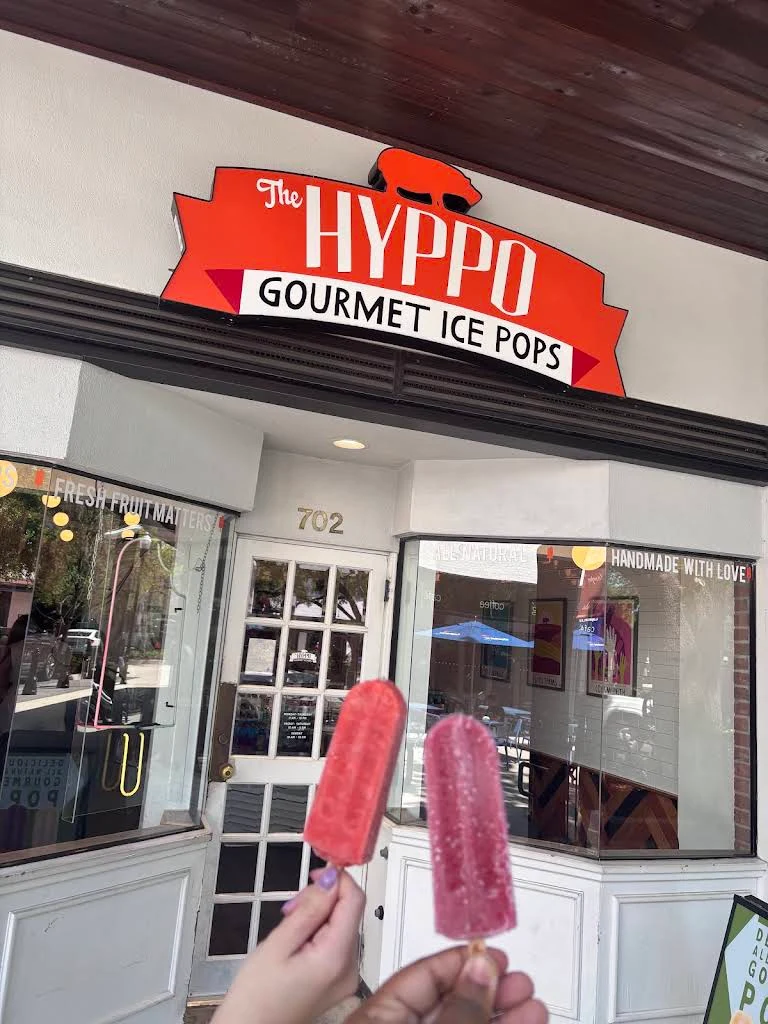
| The Hyppo Hyde Park | Bakery | Hyde Park Village |
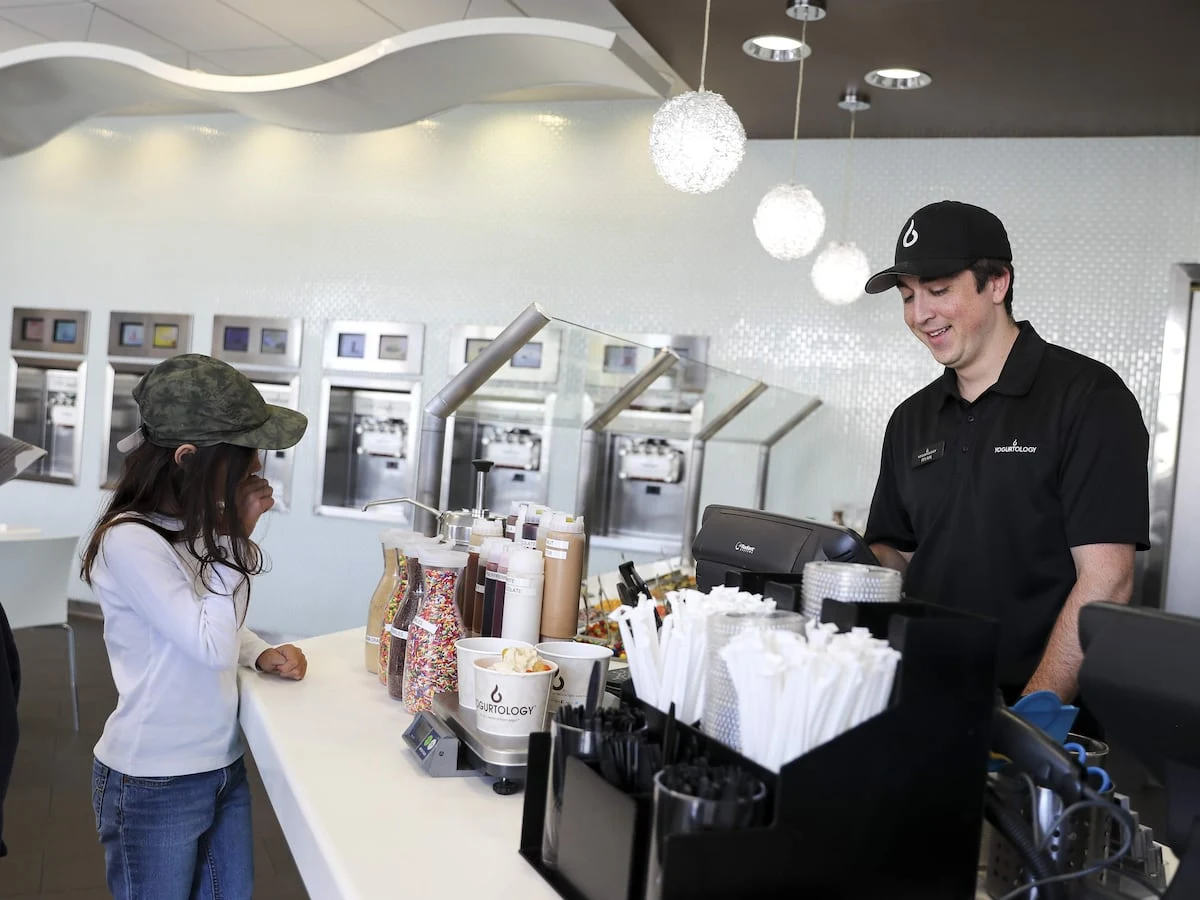
| Yogurtology | Bakery | South Tampa |
| Hampton Chocolate Factory & Ice Cream | Bakery | Sparkman Wharf / Water Street Tampa |
| Jet City Espresso Hyde Park | Café | Hyde Park |
| Blind Tiger Coffee Roasters- Ybor City Cafe | Café | Ybor City Historic District |