Why go
Nougat, chocolate and pâtisserie under one name
Nougat is what Montélimar is known for, the almond-and-honey confection that carries the town’s name, and Escobar makes it alongside two other crafts under the same roof: pâtisserie and chocolate. The family house has been working in the town since 1966, now across two generations and three boutiques, and its own line, that gourmandise should remain an emotion, sets the register better than any menu description could. The pastry side is substantial rather than decorative, running to layered entremets, tarts and frozen entremets, with macarons, number cakes and pièces montées for occasions. The chocolate programme develops in parallel, from bars through filled specialities to boxed selections built for giving, so a single visit can cover a dessert, a gift and the town’s own confection.
A boutique counter, not a café room
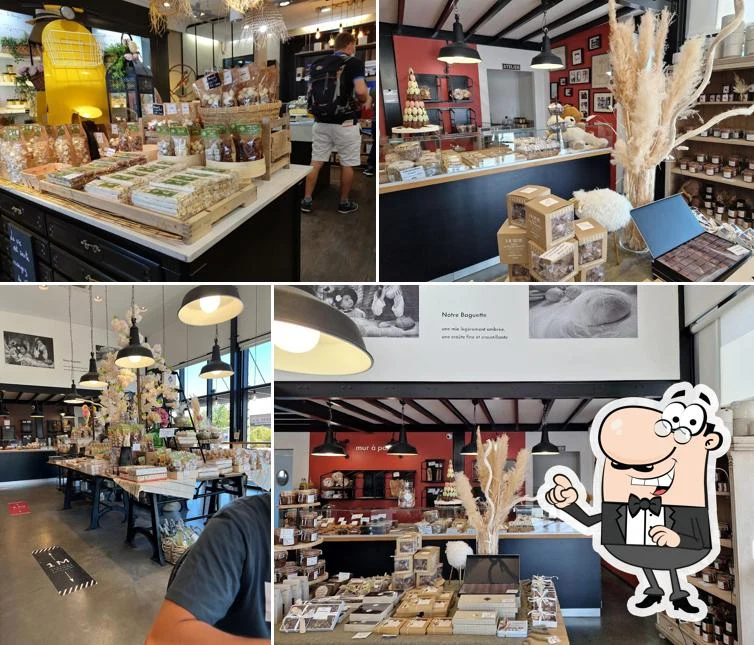
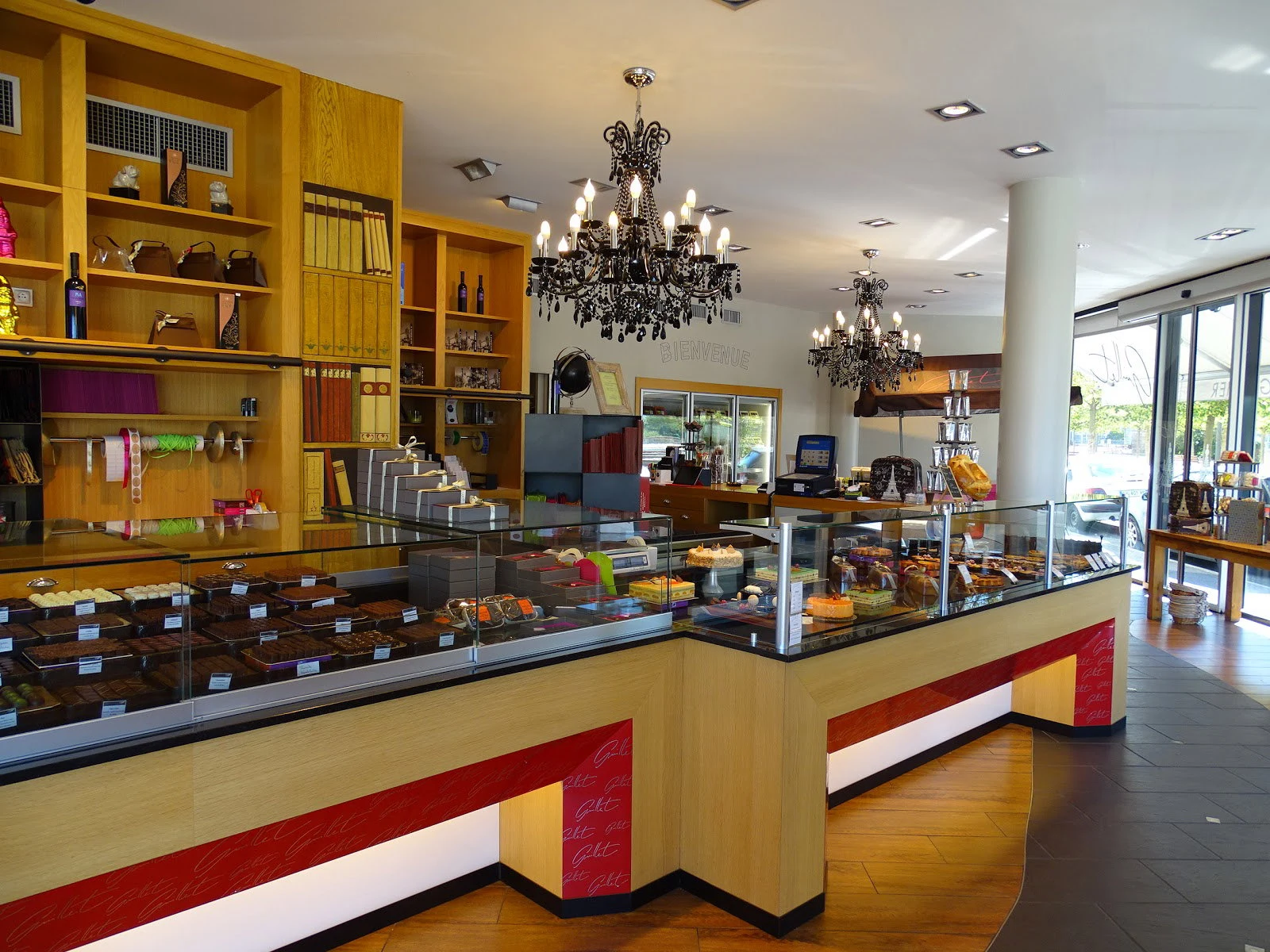
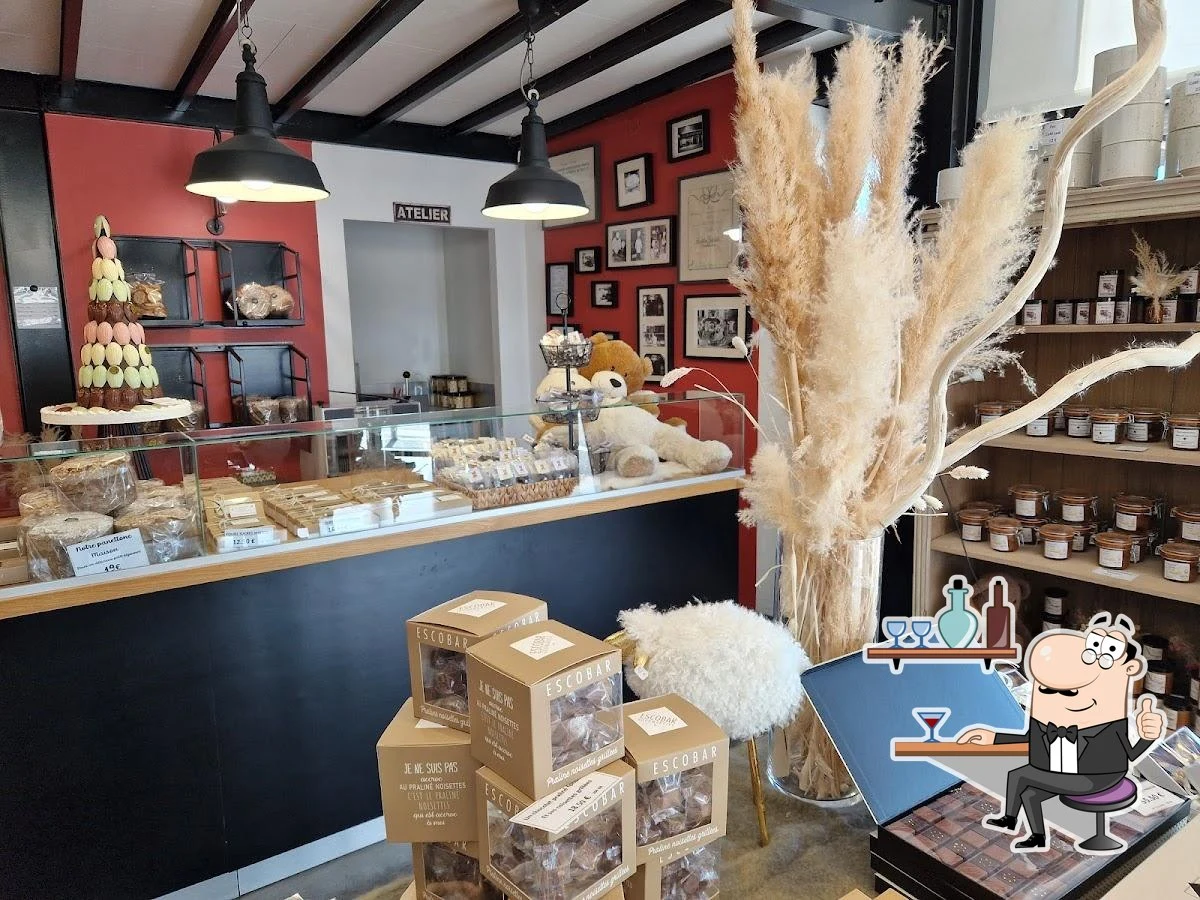
Approach Escobar as a retail pâtisserie rather than a room organised around seated drinks. There is no café menu and no salon de thé format, so the experience is the display case, the boxed chocolate selection, the pastry order and the nougat purchase. That suits how the house presents itself, as innovative inside a traditional family framework: a business running since 1966 that still keeps a modern catalogue of number cakes, frozen entremets and macarons beside the older work. Three sites in the town carry the same family name, and the people behind the counter are the point of contact rather than a dining room, which gives the whole thing the feel of a specialist shop rather than a chain.
Choose sweets with nougat in mind
A good order starts with Montélimar nougat, because that is where the town and the house meet, then builds outward from it. The named categories give the map: entremets, tartes and entremets glacés for pastry, macarons and goûters for something smaller, pièces montées and number cakes when the occasion needs a centrepiece, and coffrets, tablettes and spécialités chocolatées when the purchase is a gift. It works equally for a quick buy, a dessert to carry home, or a box to give away, and the range is wide enough that the decision is worth making slowly. The appeal is the combination: regional nougat, French pâtisserie and chocolate craft under one family name, with a two-generation story behind it.
Frequently asked questions
What should I buy at Escobar?
Nougat first, since it is the Montélimar speciality and the reason the house calls itself a nougatier alongside pâtissier and chocolatier. From there, the pastry side runs to entremets, tarts and frozen entremets, while boxed chocolates, bars and filled specialities are the obvious choice if the purchase is a gift.
How long has Escobar been in Montélimar?
Since 1966, now across two generations of the same family and three boutiques in the town. The catalogue has kept pace, with number cakes, macarons and frozen entremets sitting beside the traditional nougat and chocolate work the house started with.
Compare nearby places
| Venue | Type | Area |
|---|---|---|
| Escobar Gourmandises | Bakery | Montélimar |
| Escobar Gery | Bakery | Chemin sous Géry |
| Patisserie Guillet | Café | Champ de Mars |
| Guillet Pâtissier | Bakery | Place Jean Jaurès |
| La Maison Jouvaud | Bakery | Carpentras Centre-ville |