Why go
Geisha from Boquete is the reason to stop
One bean does most of the talking here. The counter pours Geisha coffee from Boquete, the highland district on the flank of the Baru volcano in western Panama that turned the variety into the most sought-after coffee in the world, and serving it by the cup in the capital is a genuine argument for the room. Geisha is floral and tea-like rather than heavy, and it rewards being drunk on its own before anything sweet arrives.
For a hotel coffee counter, sourcing the country's most celebrated crop rather than a house blend is the whole difference between a convenience and a destination. It also means the cup in front of you was grown a few hours away rather than imported, which is not something most capital cities can say about their best coffee.
The deli half
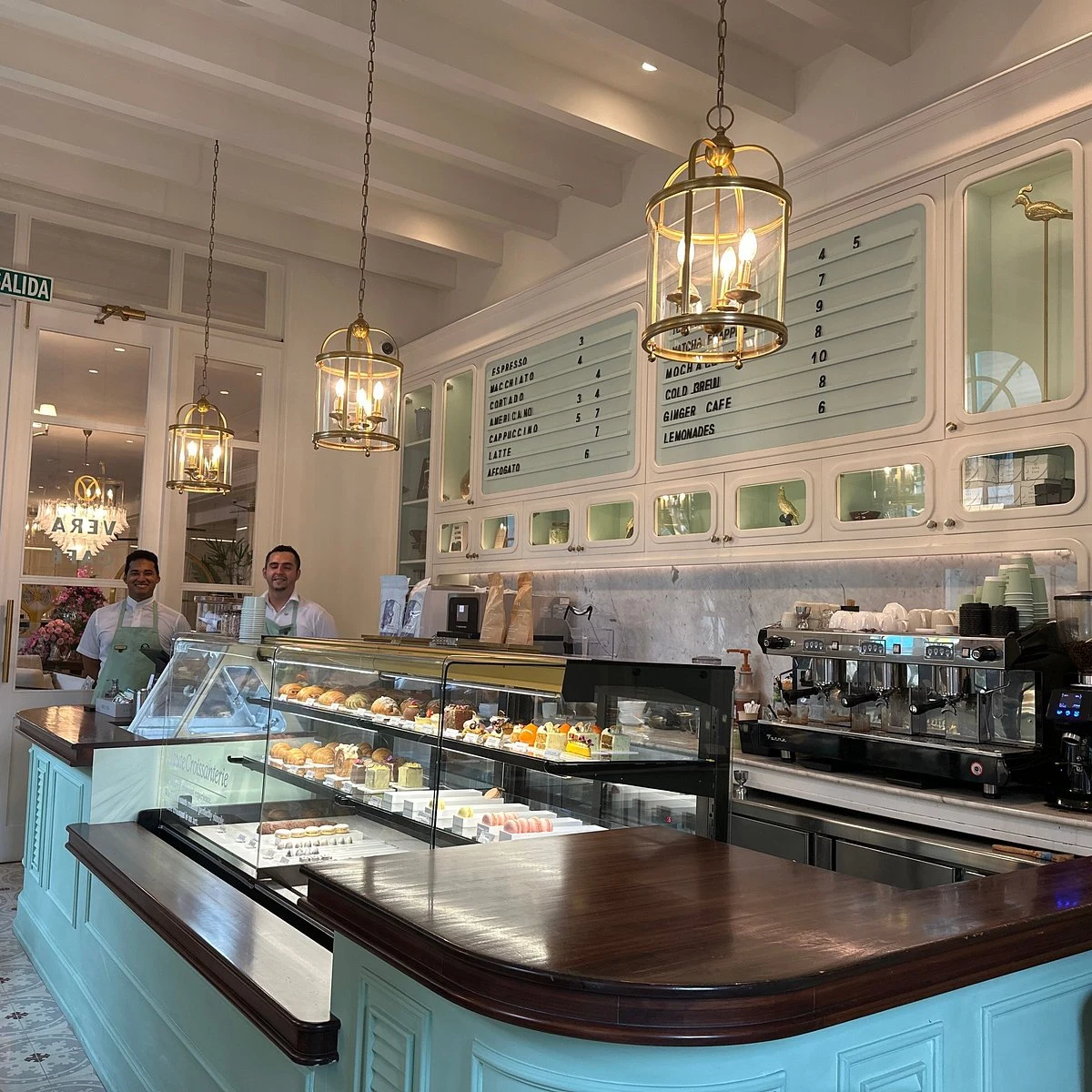
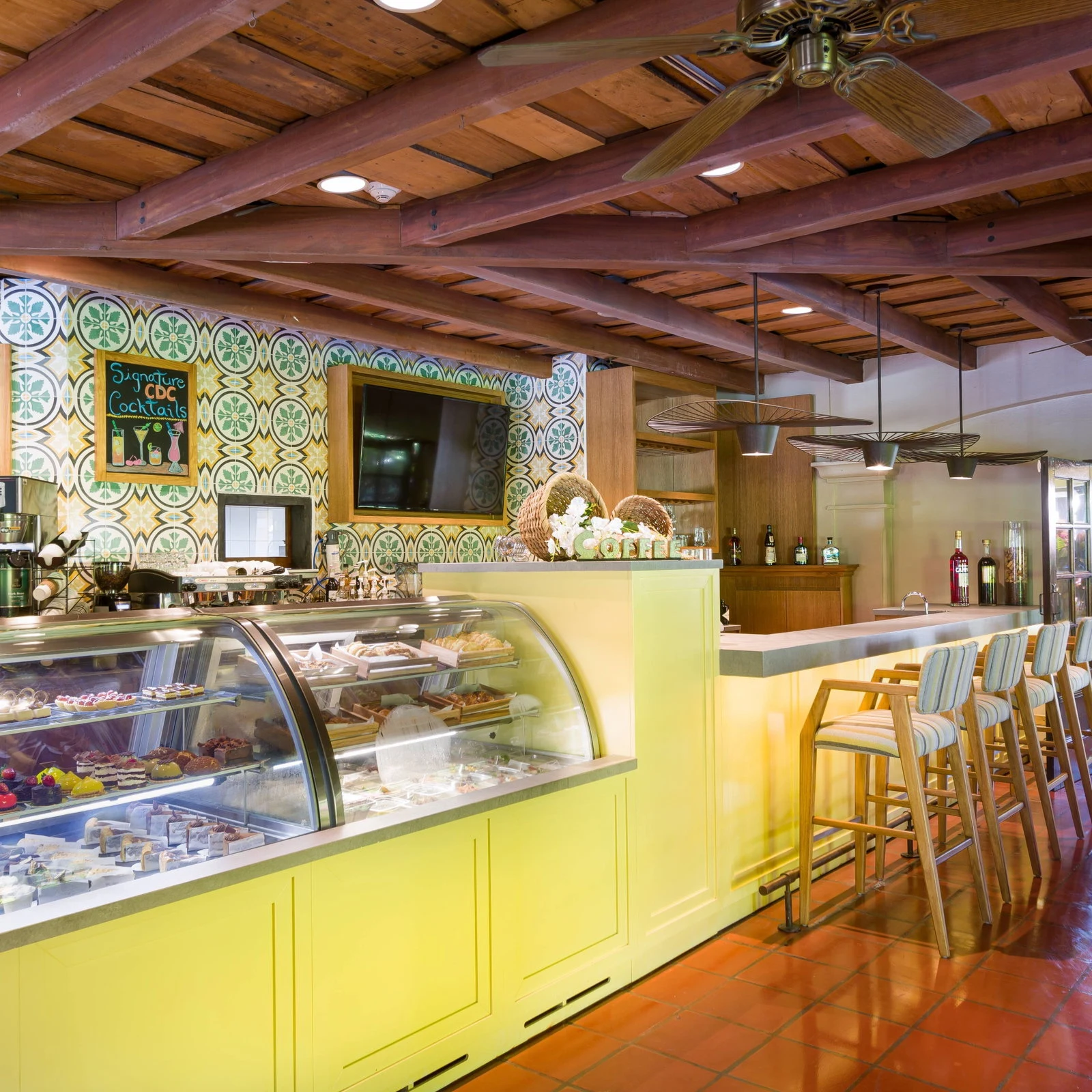
The other side of the name is a deli case, and it runs from fresh pastries through light plates, which keeps the counter useful from breakfast through the middle of the day and into the evening. The sensible pattern is to let the coffee be the considered choice and the food be the quick one: a pastry with the first cup, something light later, nothing that turns the stop into a meal. The case does the deciding for you, which keeps the visit short.
Coffee Shop and Delii is built for people who want twenty minutes rather than two hours, and it does not pretend otherwise.
Inside The Santa Maria
The counter belongs to The Santa Maria, a Luxury Collection hotel and golf resort set in its own quiet quarter of Panama City, close to Costa del Este and within easy reach of both the city centre and the airport. The property runs three other rooms around it: Mestizo for Panamanian and international cooking, Ocean Prime for meat and seafood in a country-club register, and AQVA for cocktails and something lighter.
Against those, the coffee counter is the least formal and the most specific. If the visit is about tasting what Panama actually grows, this is the room on the property where that actually happens rather than being described, and it asks for nothing more than the time it takes to drink the cup slowly and properly.
Tags
Frequently asked questions
What coffee does Coffee Shop and Delii serve?
Geisha coffee grown in Boquete, the highland district in western Panama that made the variety famous. It is floral and tea-like rather than heavy, so it is worth drinking on its own before anything sweet arrives. Serving the country's most celebrated crop rather than a house blend is the counter's real distinction.
Is there food as well as coffee?
Yes. The deli case runs from fresh pastries through light plates, and the counter works from breakfast through the middle of the day and into the evening. It is built for a short stop rather than a full meal, so the pattern that suits it best is a considered coffee with something quick alongside.
Compare nearby places
| Venue | Type | Area |
|---|---|---|
| Vera Café | Café | Casco Viejo |
| Cafeoteca | Café | Barrio Escalante |
| Casa del Café | Café | San Antonio de Belén |
| Sophia’s Coffee & Pastries | Café | Bajos del Toro |
| Caferatto | Café | El Cable |